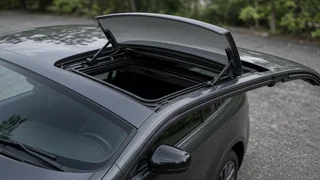
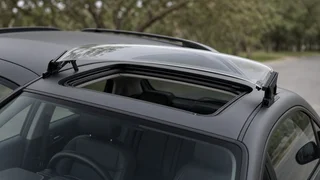
Toyota 4Runner Sunroof Wind Deflector

A Toyota 4Runner sunroof wind deflector changes both the open-panel experience and wind noise at speed. Drivers shopping for this accessory often want to reduce buffeting, cut glare, or achieve a more finished roofline appearance. The right choice depends on model year, trim level, and whether the vehicle uses a factory moonroof panel with specific mounting points. Because the 4Runner spans several model generations and market specifications, a deflector that works with one body style may not sit correctly on another. Understanding attachment style and sunroof glass movement helps avoid returns and installation frustration, especially on a vehicle built for long-term durability and outdoor use.
The direct answer
A sunroof wind deflector can be a practical accessory for the Toyota 4Runner when the matching mounting design is confirmed. The immediate answer is that a properly selected deflector typically reduces open-sunroof buffeting and may lower noise at highway speeds. The condition that materially changes this is compatibility: model generation and trim level determine whether the deflector clamps to the sunroof opening, uses adhesive tape, or attaches through existing hardware.
Purchasers should compare the deflector shape with the profile of the 4Runner roof and the style of the glass panel before buying. A deflector made for an earlier body style may deform the seal or interfere with the tilt function on a later model year. If the sunroof is factory-installed rather than an aftermarket unit, the opening dimensions and gutter contour are more predictable. Confirming the vehicle's generation and sunroof type gives enough context to avoid choosing a part that traps water or lifts at the leading edge.