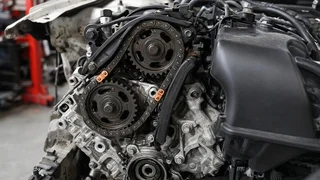
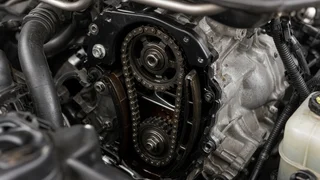
Toyota 2GR Timing Chain Setting
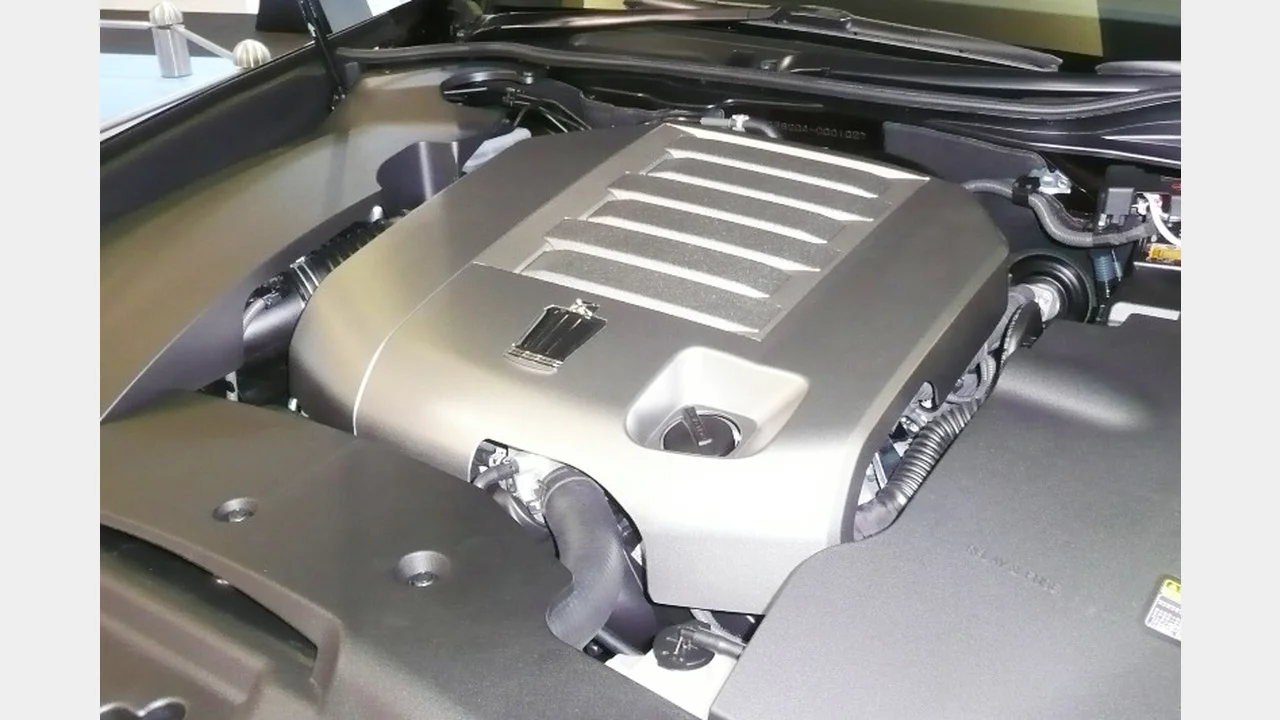
A Toyota 2GR timing chain setting question usually comes from someone diagnosing a rattle, a camshaft correlation diagnostic code, or preparing to reassemble a high-mileage V6 after service. The 2GR engine family uses timing chains rather than a belt, but “setting” can mean confirming the chain-to-sprocket relationship during repair or interpreting a scan tool reading that suggests the relationship has shifted. Key variables include engine configuration, service history, symptom conditions, and the inspection steps that reveal whether the problem is mechanical, hydraulic, or control-related.
Essential answer
The essential answer is that the Toyota 2GR timing chain setting is not a routine owner adjustment. It refers primarily to aligning the chain with the crankshaft and camshaft sprockets during engine assembly or after a repair that disturbs the timing drive. A VVT-i system controlled by oil pressure changes cam phasing, so a scan tool may show commanded and actual angles that look like a timing value even when the chain itself has not jumped. Before treating the engine as out of time, a technician must separate base mechanical alignment from the variable valve timing system’s normal movement.
Symptom conditions matter because a cold-start rattle is often a different failure than a steady warm idle misfire or a P0016-style correlation code. The first may point to a tensioner or guide that loses oil pressure briefly, while the second can indicate a stretched chain, worn guide, or a cam phaser that cannot hold its commanded position. Service history is also informative because engines with neglected oil changes are more likely to have sludge restricting the phaser and tensioner. Manufacturer specifications must be followed for holding the cams and confirming the colored chain links line up correctly before turning the engine.