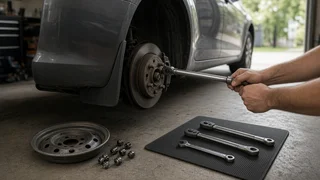
Tools for removing spark plugs: socket, wrench and size
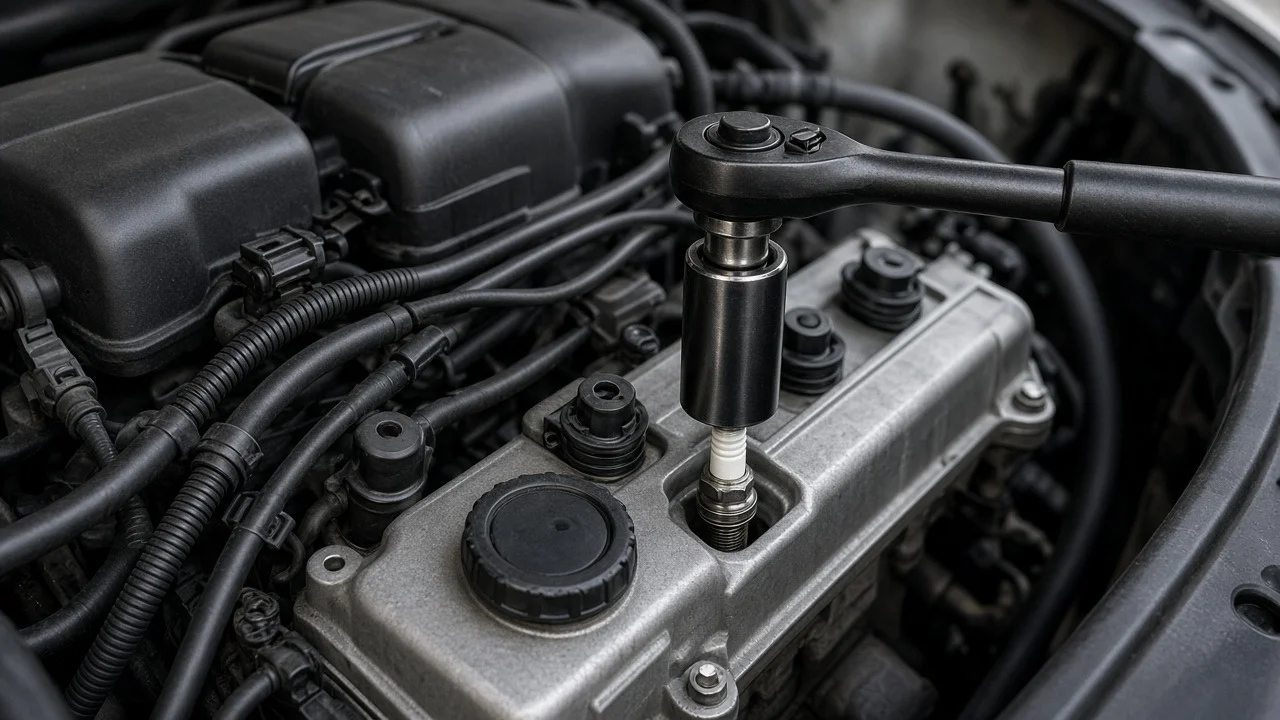
Selecting the right tool for removing spark plugs prevents rounded hex flats, cracked insulators, and unnecessary frustration in confined engine bays. The job usually combines a dedicated plug socket, an extension, and a ratchet or specialized wrench that reaches deep into the cylinder head. Although terms like spanner, wrench, opener, or removal tool vary, they describe the same goal: gripping the plug’s metal shell squarely while protecting the ceramic body. Socket size and tool style depend on the engine configuration and the plug’s hex dimension, so matching the interface to the vehicle before turning the fastener matters more than the name printed on the handle.
Essential answer
A car spark plug socket is the core removal tool because its thin wall fits the narrow tube surrounding the plug, and its internal rubber insert or spring clip grips the insulator tip so the plug lifts out after loosening. Common automotive hex sizes include 5/8 inch and 13/16 inch, though some applications use other dimensions, so confirming the required car spark plug socket size for the specific engine prevents a loose or binding fit. A fixed spark plug wrench or spanner can work when access is direct, but a deep socket with a locking extension and ratchet is generally the most practical approach for recessed plugs.
The right socket alone is not enough; the tool must stay aligned with the plug axis while force is applied. A wobble extension or universal joint helps on angled banks, while a torque-limiting handle reduces the chance of overtightening during installation. If a plug is seized, a penetrating lubricant and patient back-and-forth movement reduce thread damage, and a dedicated spark plug opener or opening tool with a T-handle can supply controlled leverage. Confirming any stored diagnostic codes and inspecting old plugs for fouling or mechanical damage helps you decide whether removal is routine maintenance or part of a larger ignition diagnosis.