Tire Bead Seaters and Bead Blasters
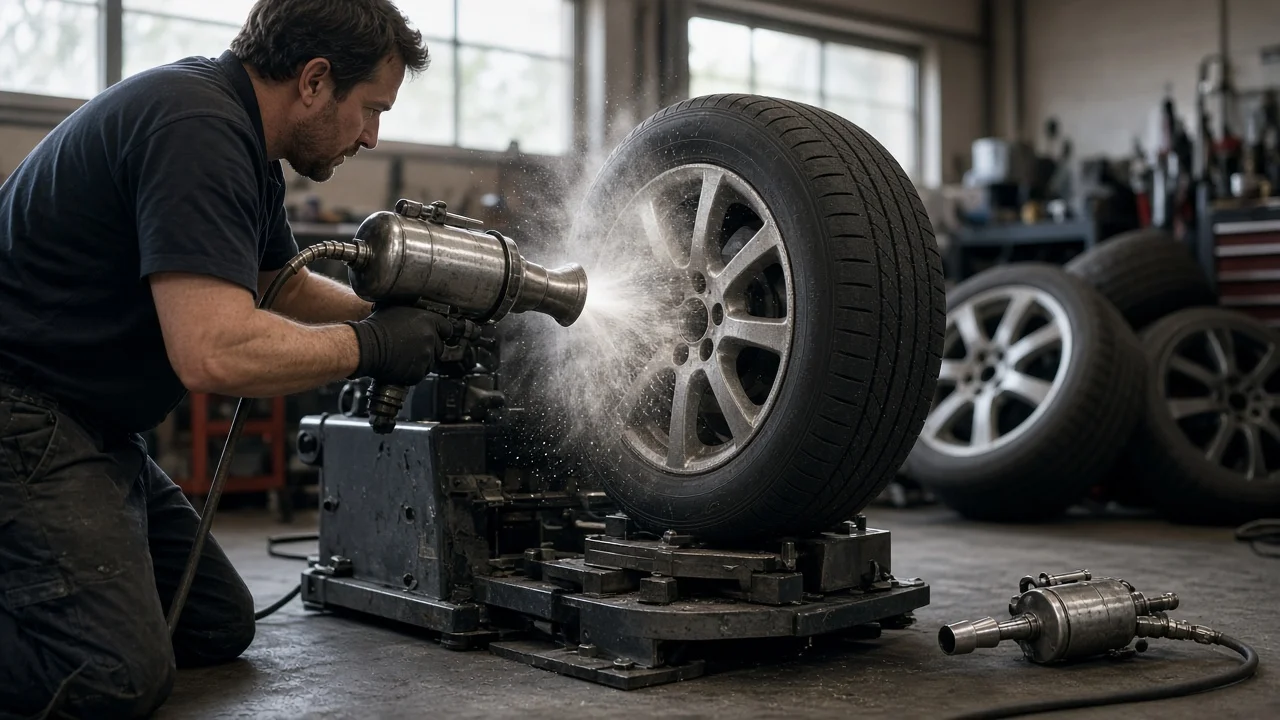
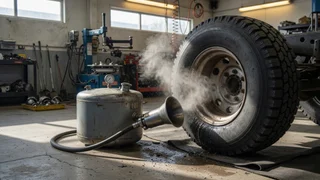
When a tire will not seat against the wheel, a portable tire bead blaster provides a short, high-volume burst of air that drives the sidewall outward and onto the rim. This issue often appears with low-profile tires, stiff off-road rubber, or wheels that have been apart for repairs. A bead seater works by filling the gap between the tire and barrel suddenly, which is why tank capacity and discharge valve design matter more than a steady shop air supply. For home garages, mobile service trucks, and farm equipment, choosing between a small refillable tank and a larger professional unit changes how quickly repeated seating attempts can be made. The right tool should match the tire size, inflation pressure range, and how often the operator faces difficult mounting jobs.
The direct answer
A portable tire bead blaster is the practical choice when you need to seat a stubborn tire away from a fixed compressor. The important condition is that the tank be filled to an appropriate working pressure and that the discharge nozzle fit the gap between tire sidewall and rim. Smaller tanks may require refilling after only one or two attempts, so a high-volume bead seater is easier to use on wide truck tires. Look for a barrel with a controllable valve and a pressure gauge you can read clearly during use.
The tool does not deliver a diagnosis of tire or wheel damage. It is used after checking that the tire, sidewall, and rim are compatible according to the vehicle placard, load index, and speed rating. It also assumes the tire is not bent, cracked, or pinched. When the tire size is correct and the wheel is clean, the blast should inflate the casing quickly and let the bead pop into the rim seat. A failed attempt usually means the flow is too slow, the nozzle is too far from the gap, or the tank pressure is too low.