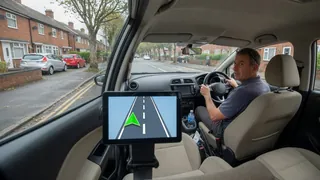
Tips for driving on the left side of the road
Driving on the left side of the road reverses many reflexes that US motorists build over years behind the wheel. The change is not only about staying in the correct lane; it also alters steering position, control layout, driver visibility, and the way intersections and roundabouts are read. Preparation reduces the mental load of adapting to a different traffic direction. These tips for driving on the left side of the road focus on vehicle configuration and positioning cues that help a driver remain predictable in a market specification built around right-hand traffic norms unfamiliar to many Americans.
Essential answer
The essential approach is to anchor your road position and scanning habits before entering traffic, because the greatest risk comes from partially learned instincts. In a left-side traffic system, the driver typically sits nearer the road centerline when the vehicle is configured for that market specification. This steering position changes how you judge the passenger-side corner and how you align the lane. Using the centerline as a reference can help an American driver stop drifting toward the curb, which is a common early mistake when traffic direction is reversed.
Driver visibility also shifts because mirrors and the control layout are arranged around a different seating side. Before moving, adjust the mirrors to reduce blind spots on the right shoulder, since that area becomes the more exposed side in left-side traffic. At intersections, look first toward the direction from which traffic will approach your lane position, then check the opposite flow. Practice positioning the vehicle so that the driver remains close to the road center, and use that geometric cue rather than memory or speed alone.