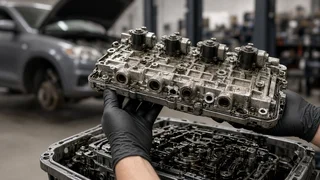
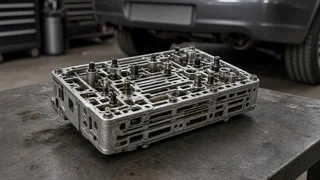
Thumb brake junction valve

A thumb brake junction valve raises immediate questions for anyone tracing uneven pedal feel, fluid movement, or a replacement part during brake service. The term often surfaces in parts catalogs and diagnostic conversations when a junction block, proportioning function, or distribution point is suspected near the master cylinder or frame rail. Understanding how brake fluid, calipers, brake pads, and brake rotors relate to that valve helps a buyer separate a genuine fitment need from a mislabeled component. Because no confirmed specifications accompanied this query, the practical answer focuses on identification, compatibility, and the diagnostic value of location rather than on exact internal calibrations.
The direct answer
A thumb brake junction valve should be treated as a fluid distribution or pressure-management component whose exact role depends on vehicle plumbing and fitment. In many systems, a junction block receives brake fluid from the master cylinder and splits it to front and rear circuits, sometimes incorporating a pressure-difference switch or proportioning behavior. The word thumb may refer to a catalog naming convention, a compact lever-style bleeder, or a branding detail, so the valve cannot be assumed identical across applications without matching the port count, thread size, and mounting pattern to the vehicle.
Before buying, compare the existing part visually with the replacement and note how many brake lines enter and leave the housing. A valve that merely joins lines will behave differently from one that meters pressure during hard stops, and installing the wrong style may change balance between front and rear brakes. If the goal is to cure a soft pedal or fluid leak, first confirm whether the wetness is at the valve, a line fitting, or a nearby caliper. The component is part of a sealed hydraulic system, so any fitting disturbance should be followed by proper bleeding rather than treated as a simple bolt-on repair.
Fitment matters more than the name on the box. A junction valve that looks nearly identical may have a different internal passage, metric or SAE flare, or a port angled for a specific chassis, which can prevent a clean install. Brake fluid compatibility is also important because the housing and internal seals must tolerate the fluid type already used in the vehicle. When the evidence is limited to a search phrase, the safest purchase path is a part selected by application or a direct visual and dimensional match, not by the descriptive term alone.