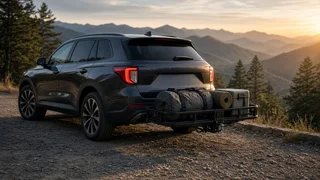
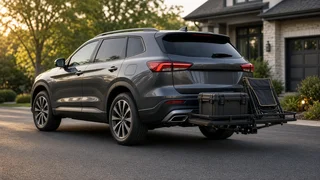
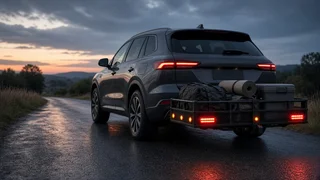
Thule Transporter Combi 665C hitch cargo carrier
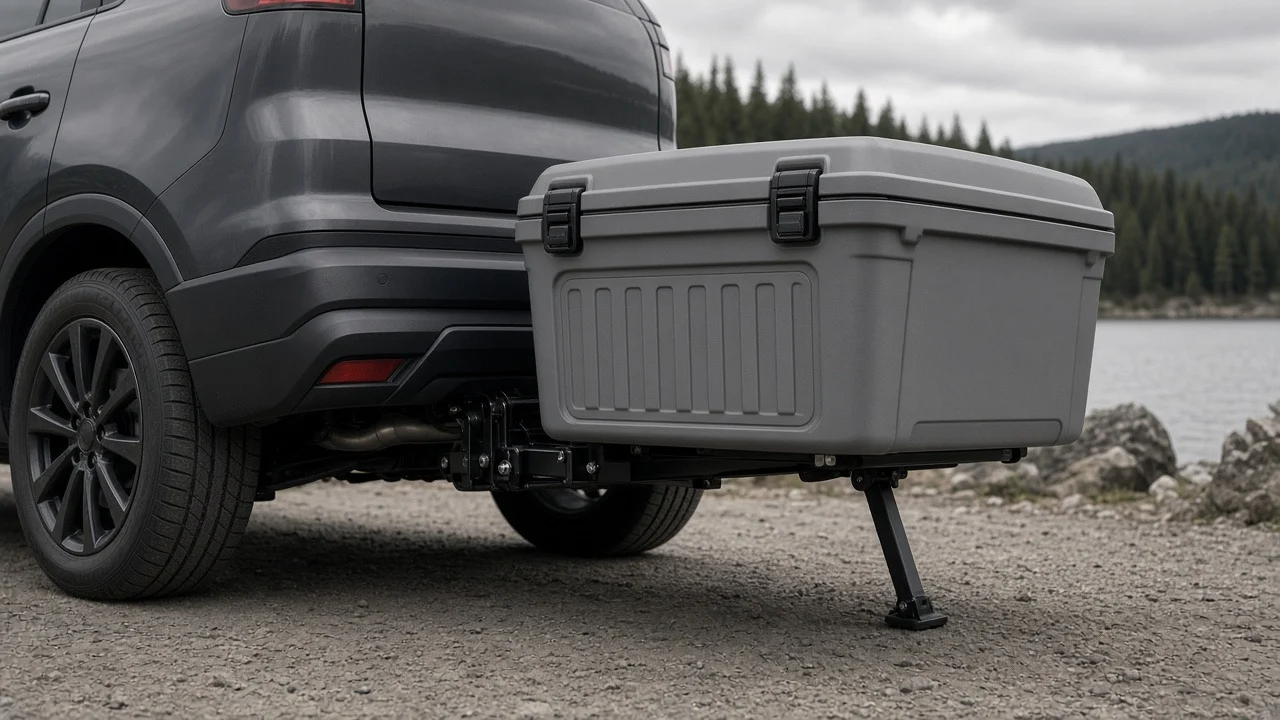
Choosing a hitch cargo carrier means matching the platform's construction, mounting points, and clearance to the vehicle and the gear you actually haul. For the Thule Transporter Combi 665C, the key questions are whether the receiver size and load rating fit your setup, whether folded and unfolded positions clear the bodywork and tailgate, and how surface material and corrosion protection hold up over time. A careful look at product compatibility helps avoid interference with sensors, lighting, or the rear hatch while keeping luggage secure on the road.
The direct answer
The immediate answer is that this carrier is designed as a hitch mounted cargo platform, so it depends on a correctly matched receiver and a vehicle that can handle the added rear load. The most important condition is receiver size and the tongue weight limit. If the vehicle hitch is not compatible or the combined carrier and cargo mass exceeds the rated figure, the setup should not be used. Confirm both dimensions and capacity before purchase rather than assuming a universal fit.
Clearance is a second material condition. A folded position often allows hatch access, but the unfolded platform changes the distance between the cargo and the bumper or tailgate. Sharp driveways, steep transitions, and rear parking obstacles can reduce effective ground clearance. The surface material and mounting points also influence how the unit behaves when loaded, and corrosion protection matters in wet or winter conditions where road spray constantly reaches the rear of the vehicle.