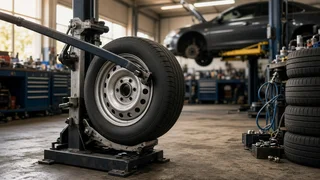
The Tire Doctor Bead Breaker
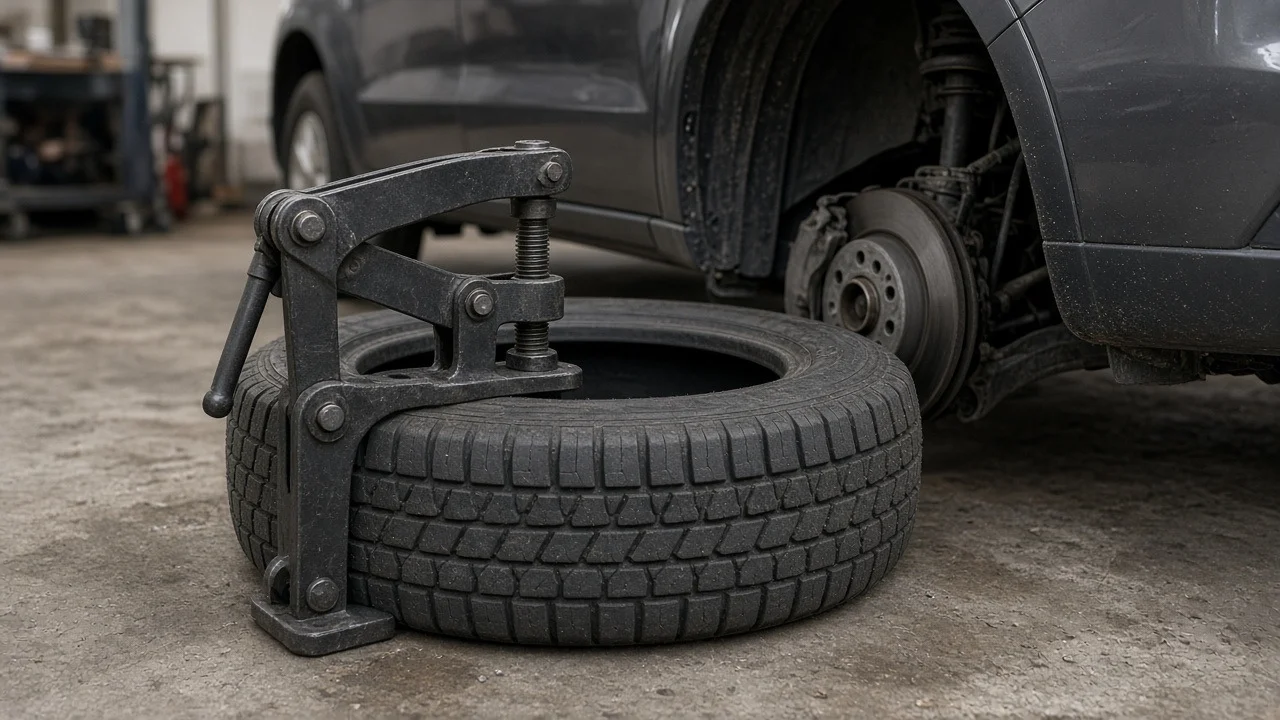
A bead breaker must overcome the grip between a tire's bead and the wheel rim, which is why separating old rubber from a wheel often feels like a battle. For someone searching for The Tire Doctor Bead Breaker, the goal is usually a tool that can handle this job at home, on a trailer, or on a small equipment tire without destroying the wheel. The challenge is not simply raw force. It is applying force in the right place, at the right angle, and in a controlled way so the tire sidewall relaxes and the bead slides toward the drop center of the rim. A dedicated bead breaker does this with a blade, shoe, or wedge that pushes into the narrow gap between the rim flange and the tire bead. Understanding how that mechanical advantage works helps explain why the tool is shaped the way it is and why technique matters as much as strength.
Essential answer
The Tire Doctor Bead Breaker appears to be a wheel and tire service tool used to loosen a tire bead from its rim before dismounting. The search phrase points to a specific product or brand line, but the available information does not confirm exact dimensions, capacity, or model-level details. In practical terms, that means this is best understood as a manual bead-breaking device intended for use on steel or alloy wheels where a tire spoon or slide hammer alone would be slow and frustrating. It likely functions through a lever, screw, or hydraulic style mechanism, but the confirmed evidence does not state which.
In a tire service workflow, the bead breaker is the step that comes before any tire removal tools are used. It concentrates force at the edge of the rim so the rubber can be pushed inward and downward into the recess of the barrel. That is what allows a technician or owner to work the opposite side over the rim without twisting the wheel or damaging the bead area. Without this first step, even the best mounting tools can struggle, because the bead remains locked against the rim flange under tension and friction built up over years of use, heat, corrosion, and inflation pressure.