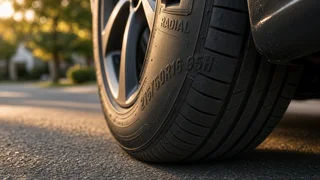
Tesla Tire Speed Rating Requirements
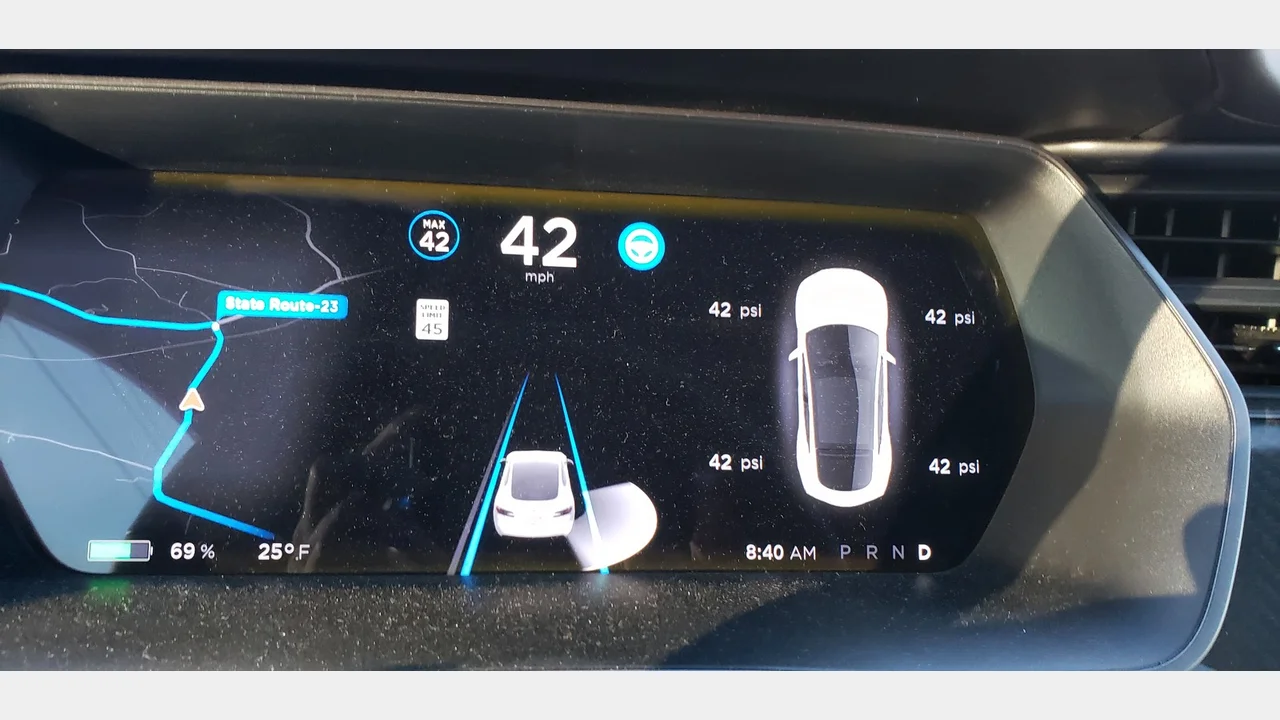
Choosing replacement rubber for a Tesla Model 3 or Model Y involves more than matching the sidewall numbers. A tire’s speed rating is a letter-coded measure of its sustained high-speed capability, and it works together with the tire size, load index, and inflation pressure on the vehicle placard. Electric vehicles deliver strong torque from a standstill and can reach highway speeds quickly, so the speed rating requirement deserves careful attention. The measured queries around “Tesla tire speed rating” point to a practical need: confirming which rating is appropriate and why it matters for drivetrain compatibility, handling stability, and everyday safety.
Essential answer
Tesla tire speed rating requirements generally align with the performance envelope of the vehicle rather than a single universal letter. For a Model 3 or Model Y, the appropriate choice depends on the original tire size, load index, and the manufacturer’s guidance for that configuration. A higher speed rating indicates the tire can dissipate heat better at sustained speed, but it is not a suggestion to exceed posted limits. The rating printed after the tire size is a letter such as V, W, or Y, and it should meet or exceed the value specified for the vehicle.
When researching “Tesla Model 3 speed rating tire” or the Model Y equivalent, the practical takeaway is to check the driver’s door jamb placard. That label lists the correct tire size, load index, inflation pressure, and often the required speed symbol for the factory configuration. Matching those numbers helps preserve steering response, tread wear, and stability under the instant torque of an electric drivetrain. If no speed rating is printed on the placard, the tire retailer or owner’s documentation can confirm the minimum suitable letter for that wheel and tire package.