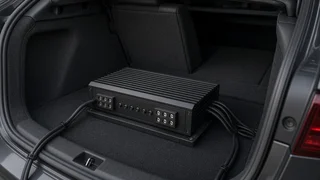
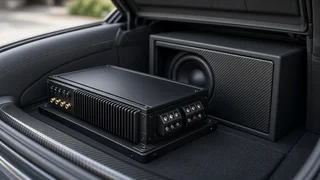
TDA chip car audio amplifiers
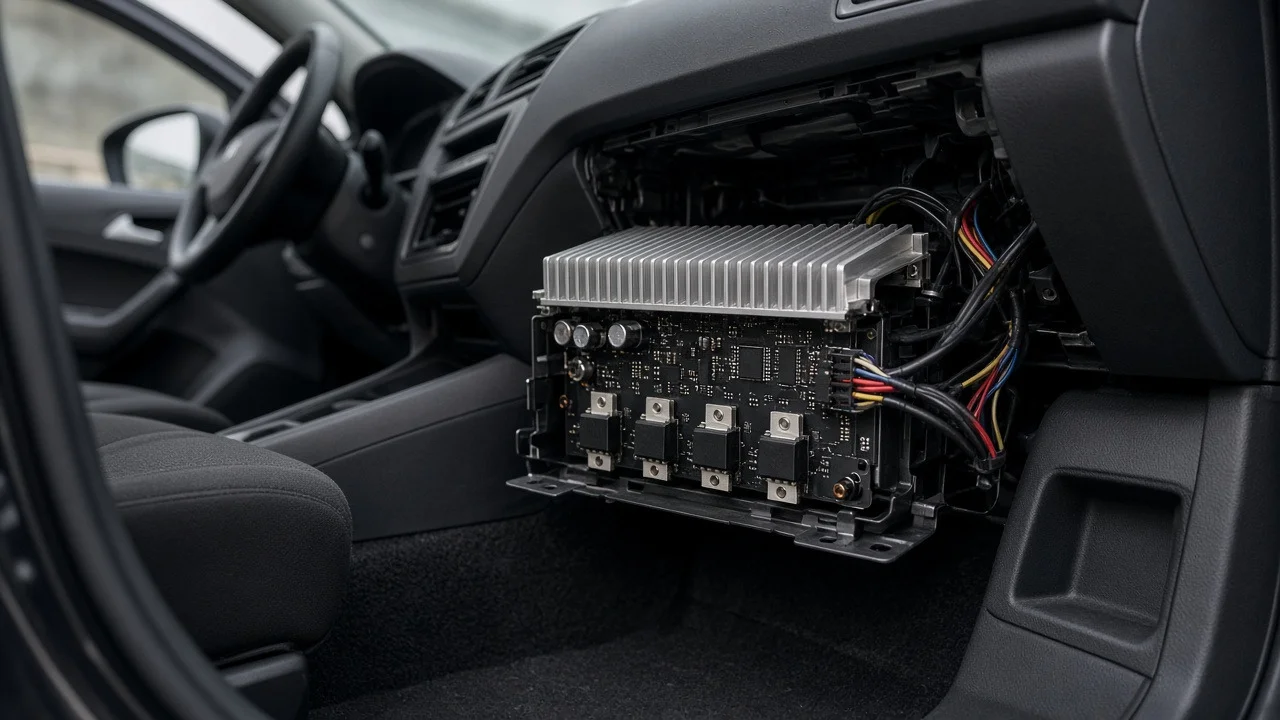
A TDA car audio amplifier refers to an amplifier built around an integrated circuit from the TDA series, a family of analog chips long used in vehicle audio. These devices condense much of an amplifier’s front end and output stage into a single package, which changes how a head unit or external booster drives speaker wiring. For owners evaluating an upgrade, repair, or replacement, the useful distinction is between this chip-based approach and a discrete amplifier. Understanding that difference helps explain power behavior, heat constraints, and why some factory and aftermarket designs sound the way they do.
Essential answer
A TDA car audio amplifier is an audio power stage using a TDA-series integrated circuit rather than a board full of separate transistors and driver components. The chip family appears in factory radios, compact boosters, and inexpensive aftermarket units where space, cost, and basic amplification matter more than maximum output. When a head unit’s internal amplifier carries a TDA designation, it is typically handling the modest power needed for standard door and rear-deck speakers, not a high-current subwoofer stage.
The TDA architecture integrates gain, bias, protection, and output devices on one substrate. In a vehicle, that means fewer solder joints and a smaller heatsink, but it also concentrates heat in a small area. Swapping or upgrading a TDA-based board changes the amplifier’s character only within the limits of its supply voltage, speaker impedance, and cooling. A replacement chip may alter sound quality, yet the surrounding circuit and vehicle integration still set the practical ceiling.