TCC Solenoid Cost: What Drives the Price and How to Compare Quotes
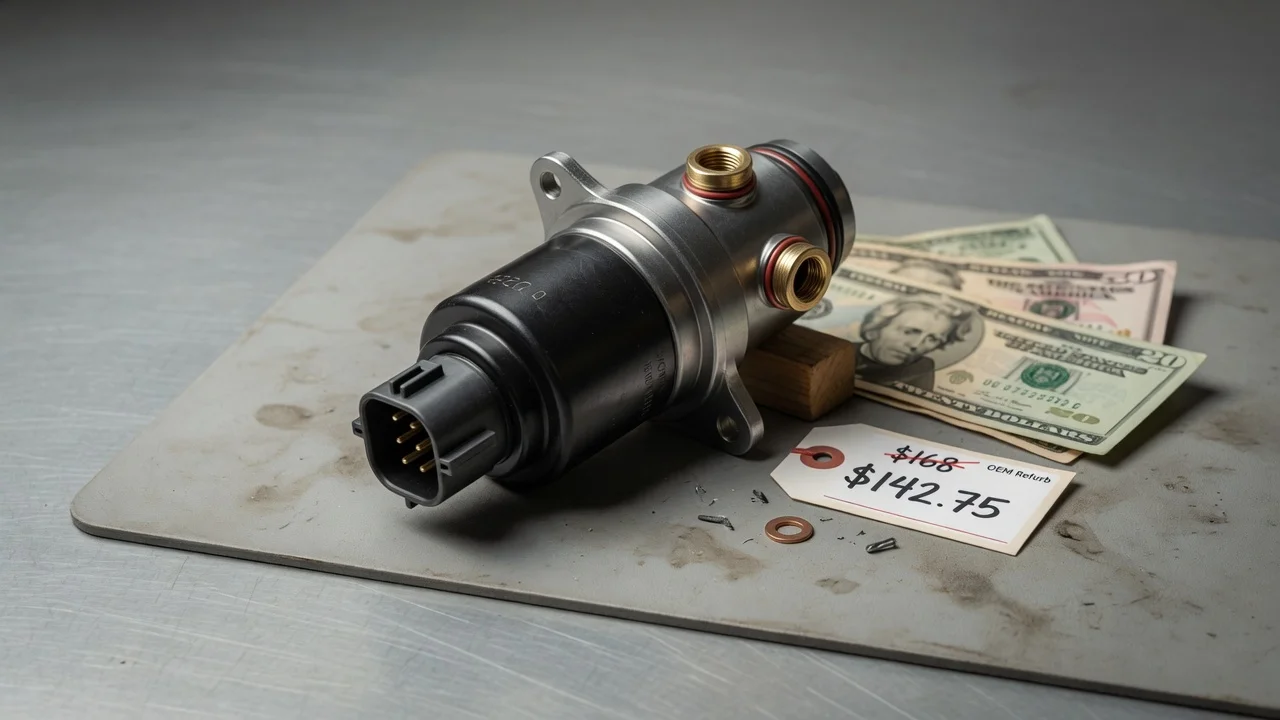
A torque converter clutch (TCC) solenoid is a small electro-hydraulic valve, but the price you are quoted can range from a single part to a job that involves draining fluid, removing a valve body or replacing a whole solenoid assembly. This guide explains what a TCC solenoid estimate should cover, why prices differ between vehicles and shops, and how to compare quotes fairly. It does not list current prices, because those depend on your exact transmission, parts source and local labor rates.
What the estimate includes
Before comparing numbers, make sure each quote describes the same job. A complete replacement estimate usually combines several items: diagnostic time to confirm the fault, the solenoid or solenoid assembly itself, labor to reach it, and consumables such as transmission fluid, a pan gasket or seal, and often a filter. Some transmissions also need an adaptation reset or relearn procedure with a scan tool after the repair. A parts-only TCC solenoid price from a store or online listing covers just one of these lines, so it cannot be compared directly with a shop's installed total.
Also separate diagnosis from repair. A torque converter clutch code or symptoms such as shudder at steady cruising speed, a converter that does not lock, or stalling when coming to a stop can point toward the TCC circuit, but they do not prove the solenoid has failed. Wiring and connector faults, an internal harness, low or degraded fluid, a valve body problem, a worn torque converter or a control module issue can produce similar results. A quote that skips testing and goes straight to a part is a guess with a price attached.
What changes the cost
The biggest variable is the transmission type and how the solenoid is packaged. On some automatic transmissions the TCC solenoid is an individual part mounted on the valve body inside the oil pan, reachable after draining fluid and removing the pan. On others it is part of a solenoid pack or block sold only as an assembly. In some designs the solenoids are integrated into the valve body or a combined unit with the transmission control module, which can turn a small repair into a much larger one and may require programming. Fitment matters too: the same model year can use more than one transmission, so the part must match the exact unit, not just the vehicle name.
Labor time depends on access. Pan removal on one vehicle may be straightforward, while another needs exhaust, crossmember or heat shield work first. Fluid is another variable: the manufacturer's fluid specification must be followed, some fluids cost more than others, and some transmissions have a temperature-dependent fill-and-check procedure that takes extra shop time. Regional labor rates, dealer versus independent shop pricing, and whether the part is original equipment, aftermarket or remanufactured also shift the total.
Your service history can change the scope as well. If the fluid is overdue, burnt or contaminated with debris, a shop may recommend additional work, and that recommendation should be explained and supported by what was found rather than simply added to the bill.
Compare like-for-like options
Typical repair options include replacing only the TCC solenoid, replacing the full solenoid pack, replacing or reconditioning the valve body, or addressing a separate fault such as a damaged connector, harness or torque converter. These are not interchangeable. A lower quote for a single solenoid is only a better deal if testing shows the solenoid alone is at fault and the part is sold separately for your transmission. A higher quote for an assembly may be justified when the design does not allow single-solenoid replacement or when other solenoids in the same pack show problems.
When you compare offers, line up the same scope, the same part quality and the same warranty terms. Ask whether the warranty covers parts only or parts and labor, how long it lasts, and whether it is honored at other locations. Check whether each quote includes the correct fluid, a new gasket or seal, any required relearn or programming, and a road test to confirm that the converter clutch now applies and releases normally. Leaving out necessary associated work can make one quote look cheaper while costing more later.
If you plan to do the work yourself, weigh the parts and fluid cost against the tools and procedures your transmission requires. Some units need a scan tool for an adaptation reset, a specific fill procedure or exact torque values on valve body bolts, and missing those steps can create new shift behavior problems.
Read an itemized quote
An itemized quote makes comparisons possible. Look for the vehicle identification details and the exact transmission model used to select parts, the diagnostic codes found and the tests performed, the part description and number, whether it is new, remanufactured or used, and its brand or source. Labor should be listed with the hours or flat rate charged. Fluid should show type and quantity, along with any filter, gasket and seals.
Then look for what is not included. Common exclusions and extra charges include shop supplies, fluid disposal fees, taxes, additional diagnostic time if the first repair does not solve the problem, programming or module setup, and repairs to wiring or connectors found during the job. Ask how the shop will contact you before adding work and whether the diagnostic fee is credited toward the repair. A quote that states only one total with no breakdown is hard to compare and hard to dispute.
Decide the next step
Start by identifying your transmission and its configuration from the vehicle documentation, build data or a shop lookup, since the procedure and fluid type depend on it. Note when symptoms occur, including speed, temperature and load, and have stored diagnostic codes read along with freeze-frame data. Ask for testing of the TCC circuit, including electrical and wiring checks and a fluid condition inspection, before approving parts. Then request at least two itemized quotes covering the same scope and warranty.
Avoid shortcuts that rarely save money: buying a solenoid before confirming the fault and fitment, adding fluid additives in place of a diagnosis, using a fluid that does not meet the manufacturer's specification, or clearing codes and continuing to drive with a slipping or shuddering converter clutch. If the diagnosis points to a larger fault, such as the torque converter or an integrated control unit, compare repair, rebuild and replacement options on the same terms before deciding.