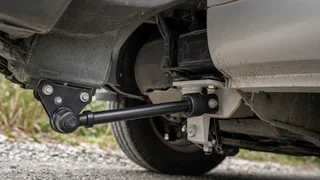
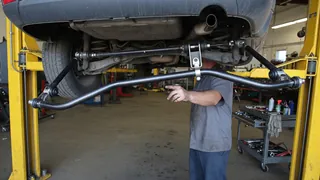
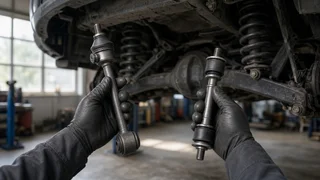
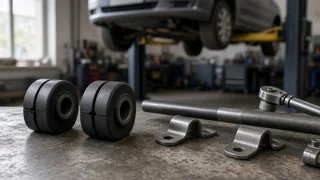
Sway bar ball for friction sway control
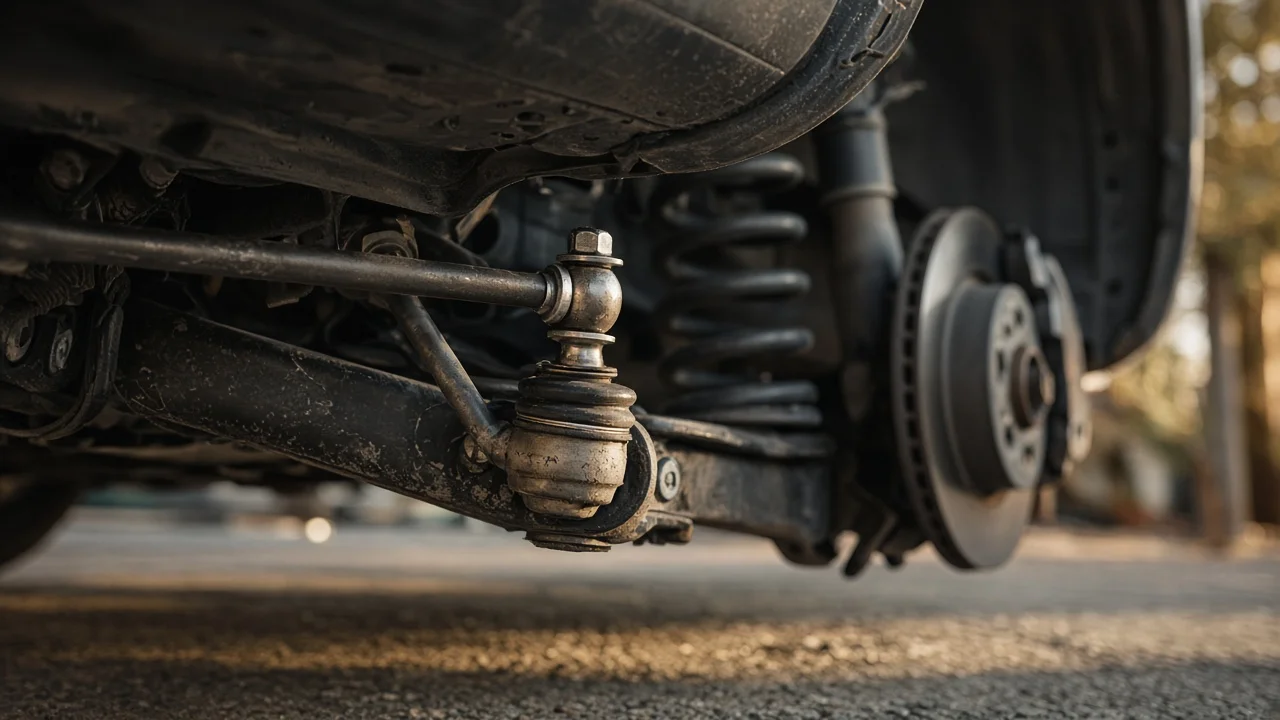
Choosing a trailer hitch sway bar ball for friction sway control means matching the ball to the hitch head, the coupler, and the way the trailer is loaded. The search phrases around trailer hitch with anti sway ball point to a small component that has a large effect on stability. A compatible ball mounts to the tow vehicle’s hitch or an accessory bracket, giving the friction bar a secure pivot point. When the parts fit correctly, the system resists side movement without restricting normal cornering, helping the driver keep the trailer settled behind the tow vehicle.
The direct answer
The sway bar ball is the attachment point that lets a friction-style sway control unit move with the trailer while still providing resistance. It must match the mounting hole in the sway control bar and the bracket on the trailer hitch. If the ball diameter, shank length, or thread size is wrong, the bar can bind, loosen, or pop off during a turn. Before buying, confirm the ball dimension required by the friction control unit and the hitch bracket, not just the coupler size used for the trailer ball.
Buyers often begin with a trailer hitch sway bar ball search but then discover that not every aftermarket ball is suitable. The shank needs enough length to pass through the bracket and accept a lock washer and nut with full thread engagement. A short shank may not clamp tightly, while an overly long shank can interfere with the hitch head. In many installations, the anti-sway ball is separate from the main hitch ball and mounted on a dedicated tab or plate, so both components must fit their own locations without creating interference.