Suzuki kei and small cars
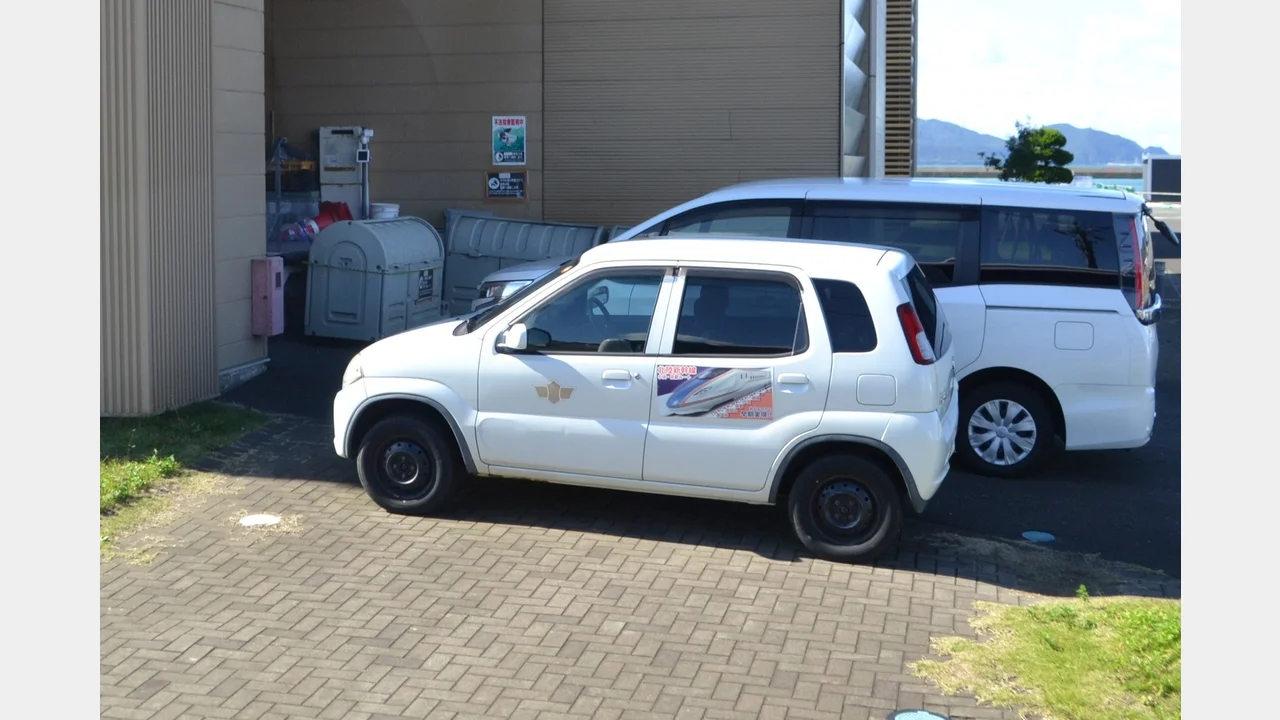
The Suzuki kei and small car range represents a distinct approach to urban mobility, emphasizing compact dimensions, efficient packaging, and easy maneuverability. In Japan, kei cars benefit from regulatory advantages tied to strict size and engine displacement limits. Outside Japan, some Suzuki small cars grow slightly larger or use different powertrain options to suit regional expectations. Understanding the Alto kei car, a Suzuki k car, or a Suzuki mini car therefore requires separating the domestic kei segment from broader small car models sold in other markets.
Essential answer
A Suzuki kei car is a Japanese-market microcar engineered to meet kei-class rules that cap overall length, width, height, engine displacement, and power. These limits push engineers toward tall body configurations, short overhangs, and lightweight construction so interior room remains practical within a very small footprint. Models such as the Alto show how a narrow body and short wheelbase can still deliver useful front-seat space, upright seating, and simple controls that feel natural in dense traffic and tight parking areas.
A Suzuki small car sold internationally may not be a kei car at all. Export and regional models can use larger powertrain options, wider bodies, and different equipment levels because they are not bound by Japanese kei regulations. Market segment, model year, body configuration, and regional availability all shape what a buyer encounters. The essential point is that “Suzuki kei and small cars” covers two related but not identical groups: regulated Japanese microcars and pragmatic city cars adapted for other markets.