Suzuki Esteem: What It Is and How It Differs

The Suzuki Esteem is a compact car that Suzuki sold in the United States from the mid-1990s into the early 2000s. It was offered as a four-door sedan and a station wagon. It was Suzuki's attempt to compete in the mainstream small-car segment with a practical, economical, front-wheel-drive car rather than with its better-known small SUVs. One qualification changes the answer depending on where you are: the name "Esteem" was also used in India for a different Maruti Suzuki sedan. Someone searching for the esteem car may be looking for either vehicle.
The Short Answer
In the US market, the Suzuki Esteem was a compact sedan and wagon that sat above the smaller Swift in Suzuki's lineup. In many other markets it was sold under the Baleno name. It used four-cylinder gasoline engines and front-wheel drive, and it was positioned as an affordable, straightforward alternative to more established compact cars. In the US, it was eventually replaced by the Suzuki Aerio.
Which Esteem Are You Looking At?
Because the same name was used for different cars, it helps to establish the market specification first. Market specification means the version of a model built or equipped for a particular country or region.
Name | Main market | What it is; Suzuki Esteem | United States and Canada | Compact sedan and wagon, sold as the Baleno in many other countries; Suzuki Baleno (same generation) | Europe, Asia and other regions | Closely related car; some markets also received a hatchback body style; Maruti Suzuki Esteem | India | A separate, earlier-design compact sedan built by Maruti Suzuki, not the same car as the US Esteem
If you are researching a car sold in the US, the rest of this guide applies. If you are looking at an Indian-market Esteem, treat it as a different vehicle. Parts, specifications and history do not carry over directly.
Body Styles
Body style describes the overall shape and layout of a car's body. The US-market Esteem came in two body styles:
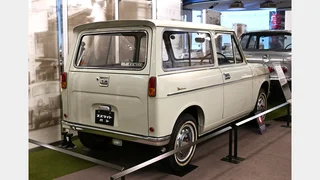
Four-door sedan: the core model, with a separate trunk. Five-door station wagon: added later, offering a longer roof and more flexible cargo space behind the rear seats.
The Esteem was not offered as a coupe in the US. Some overseas Baleno versions included a three-door hatchback, but that body style was not part of the American Esteem range.
Powertrain Configuration
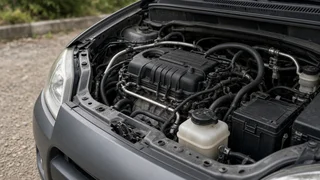
Powertrain configuration refers to the combination of engine, transmission and driven wheels. The Esteem used a front-engine, front-wheel-drive layout with inline four-cylinder gasoline engines. Buyers could generally choose between a manual and an automatic transmission.
Engine availability changed over the car's life. Early cars used a smaller-displacement four-cylinder. A larger four-cylinder was introduced later and became associated with the upper trims and some wagon versions. Exact output figures, displacement and transmission pairings depend on the model year and trim. Confirm them for the specific car rather than assuming they apply across the whole range.
Trim Levels
A trim level is a factory equipment package within a model. The Esteem was sold in a small number of trims, typically a base grade and one or more better-equipped grades. Higher trims added comfort and convenience features and, in some model years, the larger engine. Trim names and contents shifted from year to year. A trim badge on one model year may not describe the same equipment on another, so check the original equipment of any individual car directly.
Model Years and Generation
A model generation is a period during which a vehicle shares the same basic engineering and design. Within that period, a car is updated through individual model years. The US Esteem represents essentially a single generation, with updates during its run. These included styling revisions, the addition of the wagon and changes to engine availability. Because of these mid-life changes, two Esteems from different model years can differ noticeably in appearance, equipment and performance.
How the Esteem Differs From Related Suzuki Models
Versus the Swift: the Swift was Suzuki's smaller, entry-level hatchback in the US at the time. The Esteem was larger and offered sedan and wagon practicality. Versus the Baleno: these are largely the same car under different names for different markets. Equipment, engines and body styles varied by country. Versus the Aerio: the Aerio replaced the Esteem in the US. It was a newer design with a taller body and different styling, so it is a successor rather than an updated Esteem. Versus the Indian Maruti Suzuki Esteem: a separate sedan with different underpinnings and a different production history, despite sharing the name.
Where the Esteem Fit in the Market
Editorially, the Esteem is best understood as a value-focused compact. It did not have the market presence of the segment leaders from larger brands, and Suzuki's US car sales were modest compared with its reputation for small SUVs and motorcycles. Its appeal centered on simple engineering, compact dimensions and a low purchase price. The wagon added versatility in a size class where wagons were becoming less common.
Ownership Considerations Today
Any surviving Esteem is now an older vehicle, and its condition will matter far more than its original reputation. Suzuki stopped selling cars in the US, so dealer support for this model is limited. Some parts may need to come from independent suppliers, salvage sources or cross-referenced Baleno components. When evaluating one, practical priorities include:
Confirming the exact model year, trim and engine, since these affect parts compatibility. Checking for rust, especially on older cars from regions that use road salt. Reviewing maintenance history, including timing components and cooling system service where applicable. Verifying that any open safety recalls were addressed, using the vehicle identification number. Having an independent mechanic inspect the car before purchase.
Bottom Line
The Suzuki Esteem was a front-wheel-drive compact sedan and wagon sold in the US from the mid-1990s to the early 2000s. It was known as the Baleno in other markets and was succeeded by the Aerio. Its details vary by model year, trim and engine, so identify the specific car before relying on any specification. Also keep in mind that the Indian Maruti Suzuki Esteem is a different car that shares only the name.