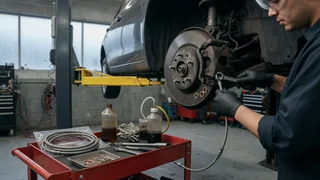
Supplies needed for a brake job
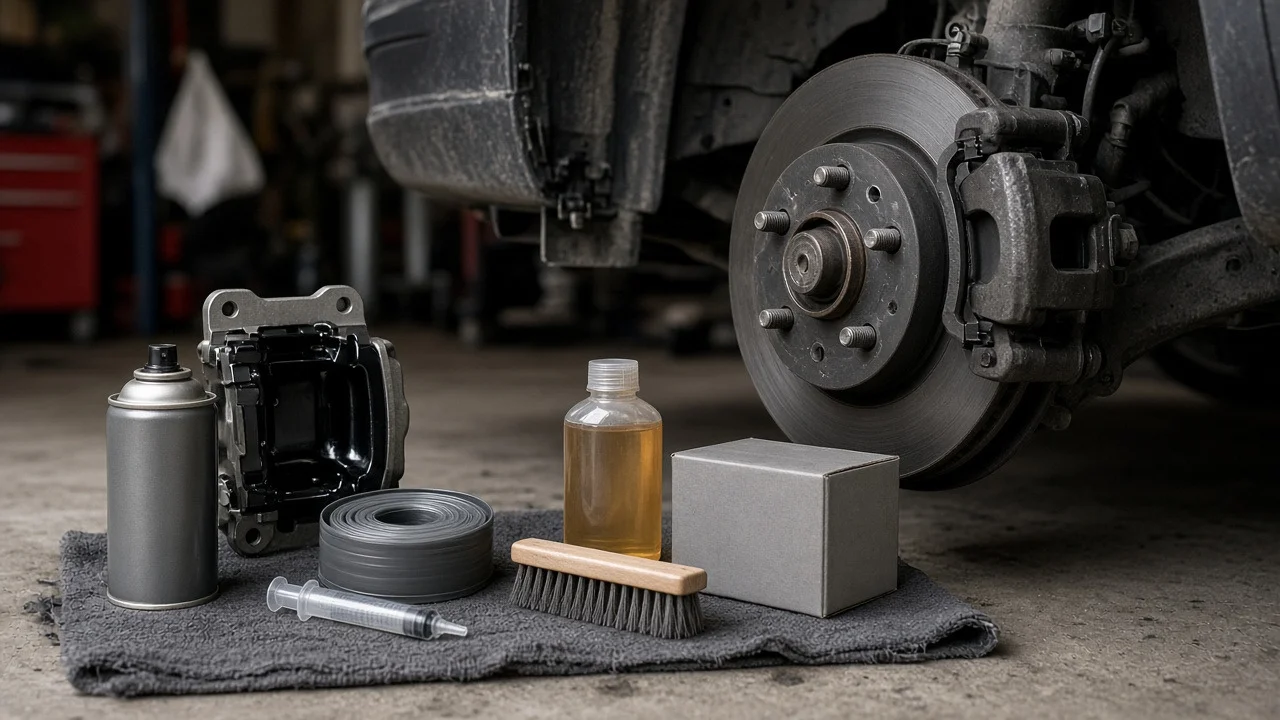
A brake job involves more than fresh pads; it is a system service where the parts you gather determine whether the repair restores safe, even stopping. Before lifting the vehicle, a driver should collect friction material, rotors or drums, hardware, lubricants and fluid. Matching supplies to vehicle fitment and existing wear limits prevents uneven braking. Working through the required items also reveals which measurements to take once the wheel is off and helps avoid a second trip to the parts counter mid-repair.
Essential answer
The supplies needed for a typical disc brake job start with pads matched to the vehicle. Rotor condition dictates whether you also need new rotors or can have the old surfaces machined. Caliper hardware such as abutment clips, slide pins and boots should be renewed when corroded or damaged, because a binding caliper creates tapered pad wear and a pulling sensation. Brake fluid and a suitable catch container allow you to open the bleeder before compressing the caliper piston, keeping contaminated fluid from being pushed back through the ABS unit.
Drum brake services add shoes, spring kits and wheel cylinders when hydraulic leaks or pitting are present. For either system, a caliper or drum brake spreader, a wire brush, a torque wrench, and a service manual with the correct specifications are part of the preparation. The common thread is not simply replacing the worn lining. You are gathering supplies that allow you to clean mounting surfaces, lubricate the right contact points with a brake-rated product, and verify final travel and pedal feel before road testing. That scope distinguishes a complete brake job from a pad slap.