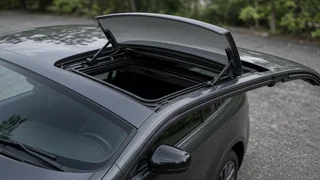
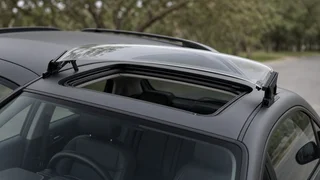
Sunroof Wind Deflector Removal
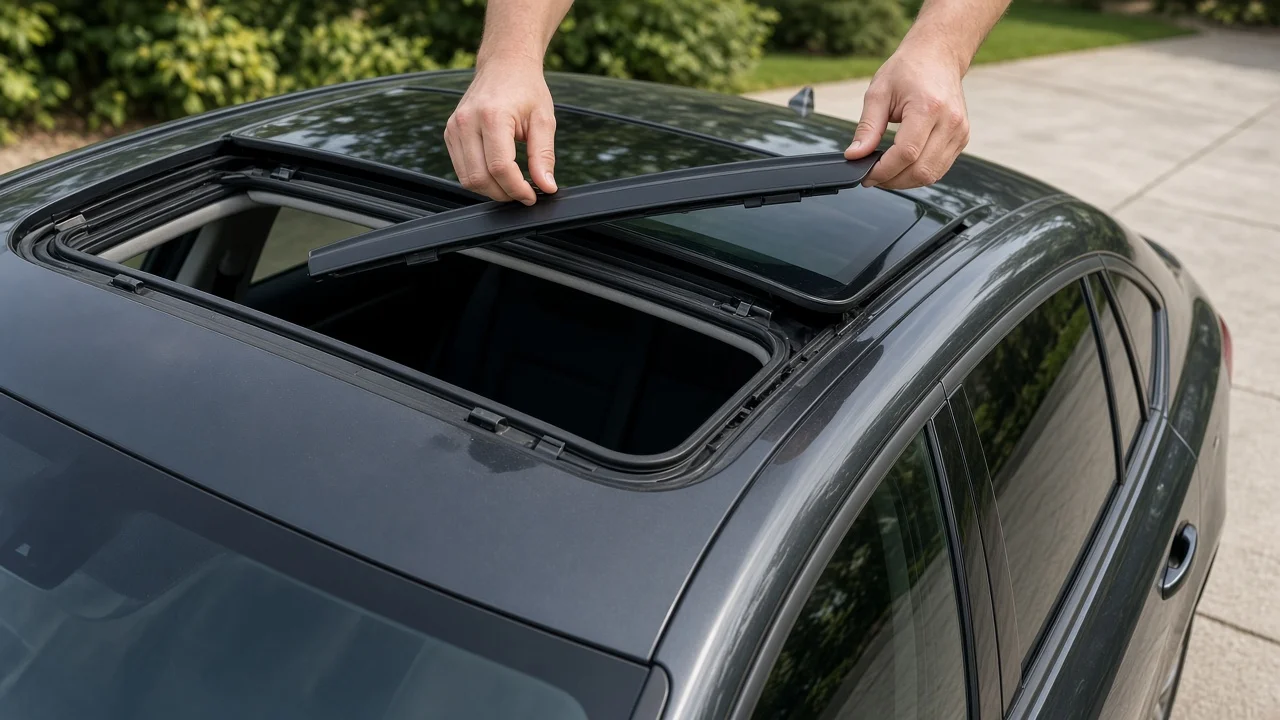
Removing a sunroof wind deflector changes both the airflow around the roof opening and the amount of wind noise entering the cabin. A deflector is designed to redirect air over the open roof, but it can wear, rattle, or simply no longer suit the owner’s preference. The removal process depends on how the deflector is attached, the condition of the mounting clips and springs, and whether the roof operates cleanly after the part is gone. Understanding the attachment method before starting avoids damaging the glass, seal, or roof mechanism.
Essential answer
Sunroof wind deflector removal typically involves releasing the spring-loaded frame or unfastening the mounting clips that hold the deflector over the front edge of the roof opening. On many designs, the deflector is a separate bar positioned ahead of the movable glass panel. It may be held by small screws, plastic retainers, or a hinge assembly that lets the bar tilt upward as the roof opens. Removing it can lower the profile and eliminate rattles or cracked plastic, but it also removes the part that reduces buffeting at speed.
The practical challenge is confirming how the deflector is attached to the roof channel or sunroof cassette. Some deflectors use tabs that slide into slots, while others use fasteners hidden beneath a trim strip or accessible only with the roof partially open. After detachment, the roof should be cycled carefully to ensure no leftover bracket contacts the moving glass or linkage. Because the deflector also cushions airflow, driving with the roof open after removal may produce more turbulent cabin noise and a stronger low-frequency throb that was previously controlled by the raised bar.