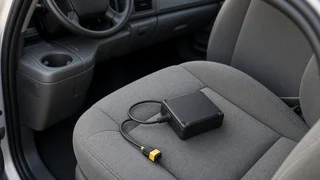
Subaru Passenger Seat Occupancy Sensor
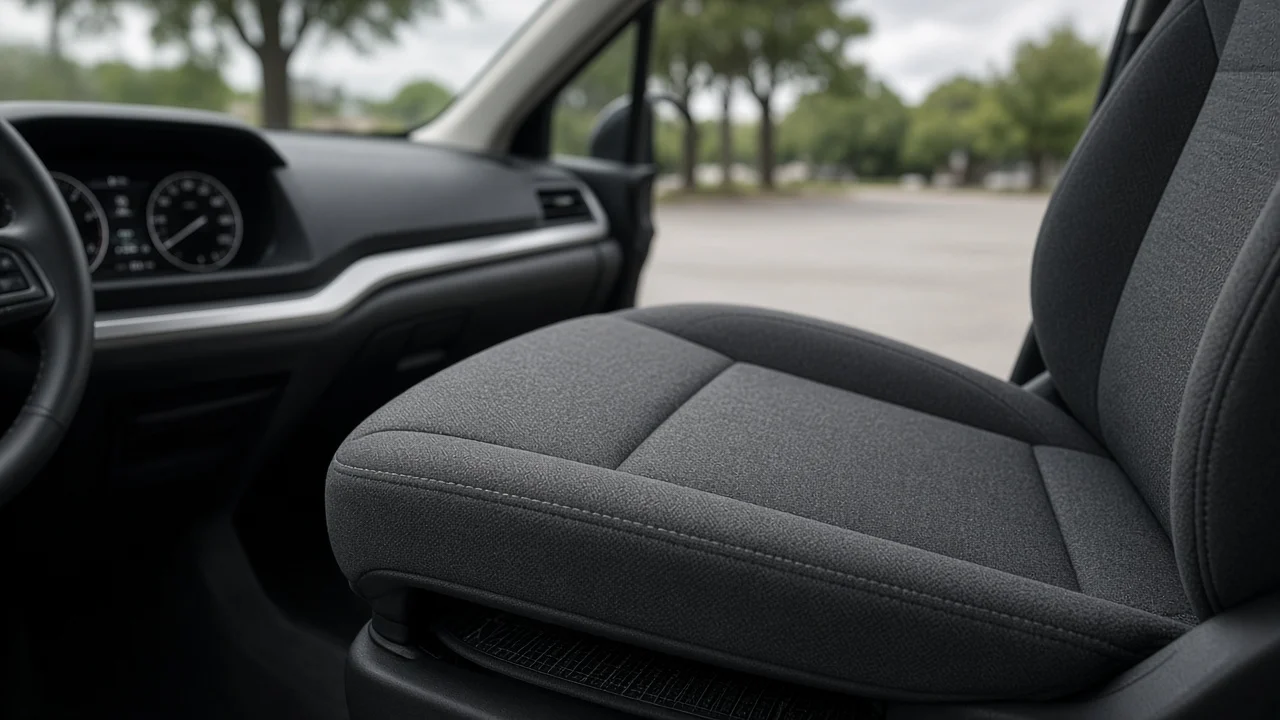
A Subaru passenger seat occupancy sensor is part of the restraint system that helps the airbag control module determine whether the right front seat is occupied and, in some vehicle configurations, how the occupant is positioned. This signal affects passenger airbag readiness and can also influence seat belt reminder behavior. Drivers often encounter the sensor through an illuminated airbag warning, a passenger seat belt chime with no one present, or a scan tool fault code. Understanding its role helps separate a simple seat adjustment or connector issue from a deeper sensing or module concern before unnecessary parts replacement.
Essential answer
The essential answer is that the passenger seat occupancy sensor is an input device integrated with the right front seat mounting or cushion structure. Its job is not to weigh the occupant like a scale but to classify the seat state with enough confidence for the restraint system. The signal can distinguish an empty seat from a seated adult in many systems, and some designs also interpret body position or movement. When functioning normally, this lets the vehicle suppress the passenger front airbag for an unoccupied seat and enable it when a person sits down.
A fault code related to this sensor is diagnostic evidence, not proof that the sensor itself has failed. The reading can be caused by a damaged connector under the seat, a pinched or stretched harness from repeated seat adjustment, a failed sensor mat, or a module communication problem. Because Subaru vehicle configuration and model year can change the sensor type and calibration, manufacturer-dependent codes require vehicle-specific confirmation. The practical first step is to inspect the accessible wiring and seat mounting area for obvious damage before assuming the cushion sensor needs replacement.