Subaru Engine Ground Strap
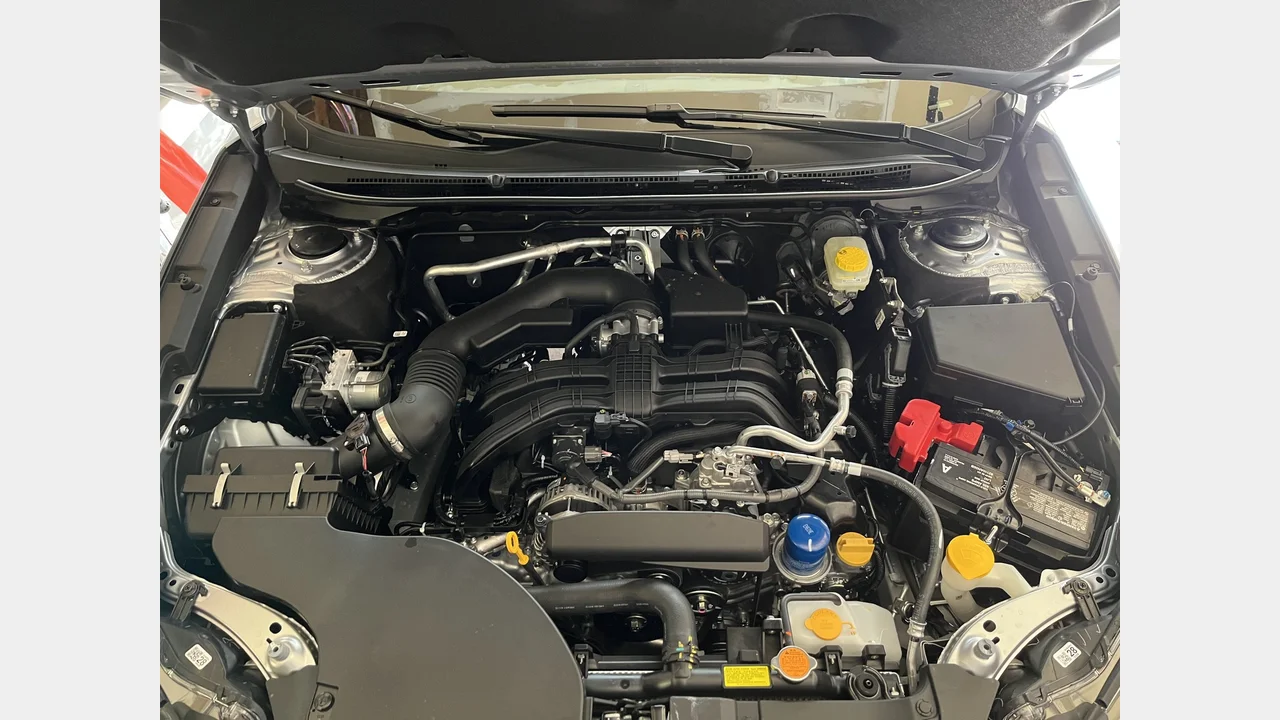
A Subaru engine ground strap is a flexible conductor that ties the engine block to the chassis or body return path. Owners usually notice it when diagnosing dim lights, slow cranking, sensor instability, or corrosion on an existing braided cable. The strap is not a wear item like a filter, but heat, moisture, road salt, and engine movement gradually degrade its strands and terminals. Because several Subaru electrical systems share chassis grounds, the engine ground strap can influence symptoms that appear unrelated until the return path is checked with a voltage drop test.
Essential answer
The essential answer is that the engine ground strap provides a dedicated low-resistance connection between the engine and the body, completing circuits for the starter, alternator, ignition, and various sensors. A loose, corroded, or broken strap can create a resistive return path. That resistance may cause slow cranking, flickering or dim lighting, unstable gauge readings, or intermittent sensor behavior. The strap itself is often a short braided copper or tinned copper cable, but some original straps use a flat woven design to tolerate engine vibration without work-hardening as quickly as a solid wire.
When inspecting a Subaru, the condition of the mounting points matters as much as the visible braid. Corrosion can hide under the terminal eyelet where it meets the block or body, producing heat and oxidation even if the outer strands look acceptable. A fault code related to an engine sensor does not prove the strap has failed, because slightly elevated resistance may only appear during high-current loads such as engine start-up or cooling fan operation. Manufacturer-dependent designs and model-year changes make vehicle-specific confirmation useful before replacing components.