Subaru Ascent review
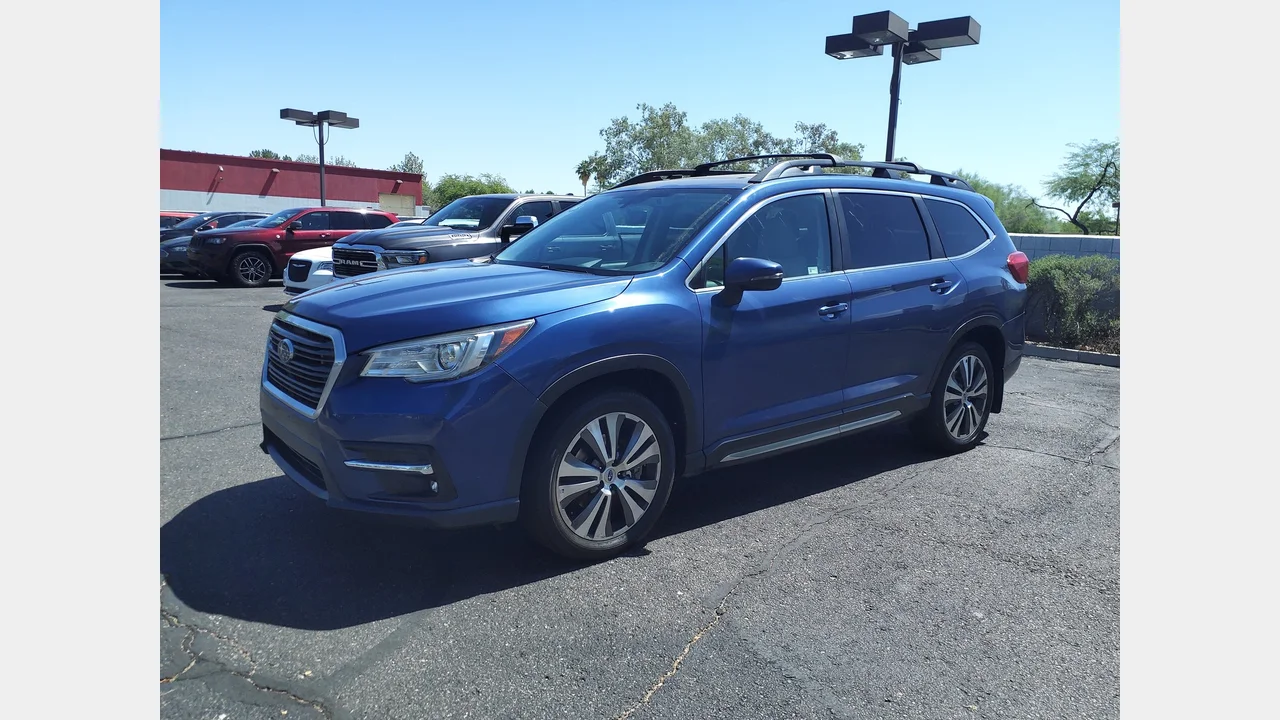
The Subaru Ascent review question usually starts with a shopper comparing a three-row family crossover against rivals. The Ascent is Subaru’s largest current model, designed around standard all-wheel drive, a raised wagon body style, and flexible passenger space. Because a model generation and trim level can alter comfort, technology, and driving character, any evaluation should separate core engineering traits from equipment details. The general market specification also matters, since standard features and warranty or service programs may differ by region. A measured review look from an outlet such as Car and Driver tends to weigh real-world usability, powertrain behavior, ride quality, and interior packaging more heavily than marketing claims.
Essential answer
The direct answer is that a Subaru Ascent review covers a mid-size or large three-row unibody crossover that prioritizes standard symmetrical all-wheel drive, generous ground clearance, and family-oriented utility over sporty handling. It competes against vehicles with similar body styles but distinguishes itself through standard all-wheel drive rather than front-drive base setups. The review subject is not a truck-based body-on-frame SUV, so ride and cabin packaging follow passenger-car construction methods. Readers should treat the specific model year as important because infotainment updates, driver-assistance availability, and seat configurations have changed over the model generation.
A review of the Ascent typically examines how the turbocharged flat-four powertrain configuration performs under load, especially with a full cabin or while merging and climbing. Since the vehicle is heavy for its class when carrying seven or eight occupants, real-world acceleration and transmission response matter more than peak output numbers. Trim level influences whether the experience feels basic or premium, because upper trims often add larger wheels, upgraded upholstery, and additional camera or audio technology. Without specific published test data in the brief, a reviewer can still explain why smooth low-speed behavior, passing power, and predictable all-wheel-drive traction are central to this vehicle’s ownership appeal.
Practical next steps from a review should include matching trim content to a family’s climate, passenger count, and towing or cargo expectations. A lower trim may retain the essential traction and seating advantages, while a higher trim adds convenience rather than changing the platform fundamentals. Because manufacturer-dependent details and feature bundles vary, shoppers should confirm which driver aids and seating layouts are present on a particular vehicle. The review value comes from identifying predictable strengths, such as foul-weather traction and adult-friendly third-row access, alongside trade-offs in fuel refinement or interior material feel that only a physical test drive can confirm.