State Farm Commercial Truck Insurance: What It Covers and What to Check Before You Buy
The short answer
State Farm sells commercial auto insurance, mainly through its local agents, and that coverage can include trucks used for business. Whether it suits your truck depends on how the truck is used. A contractor's pickup, a service van or a box truck used for local deliveries is a different underwriting case from a tractor-trailer hauling freight for hire across state lines. Availability, eligible vehicle types and coverage options also vary by state.
Before you collect quotes, confirm with an agent that State Farm will write your vehicle class, radius of operation and type of business. That one conversation tells you whether a full comparison is worth the time.
Which trucks and businesses are likely to fit
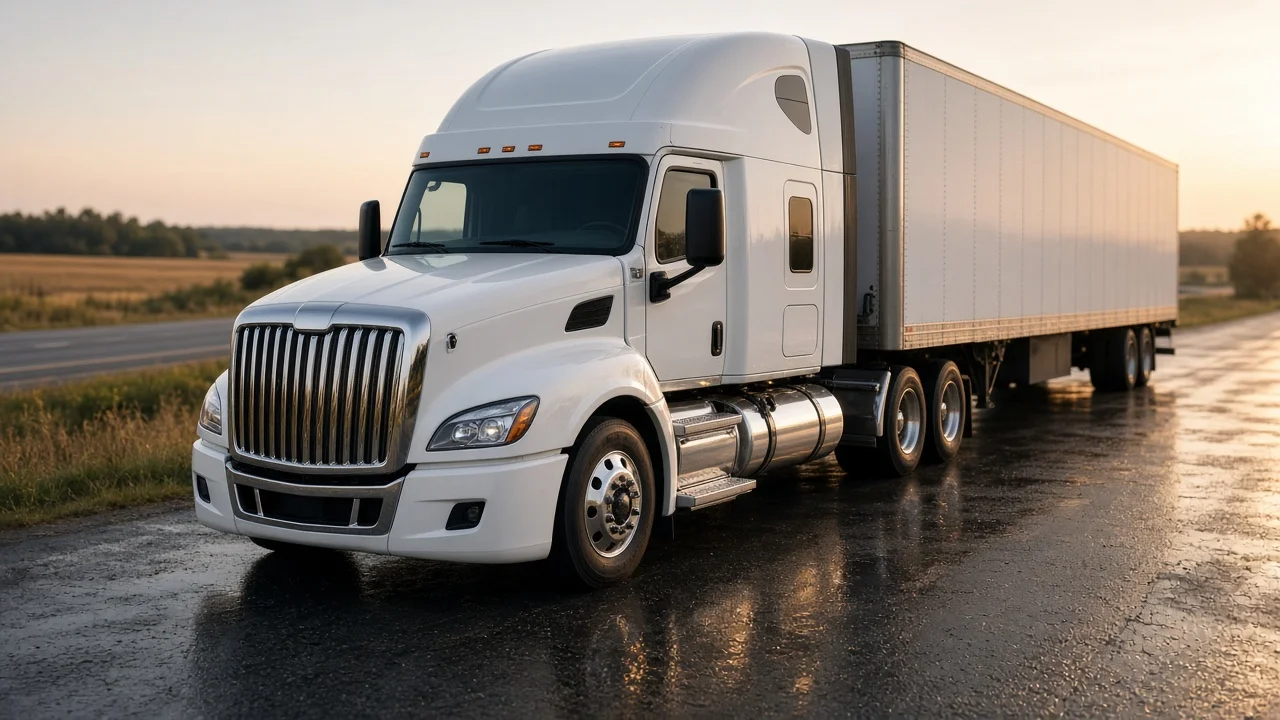
Insurers group commercial vehicles by weight, body type, use and distance driven. A large, agent-based insurer like State Farm is usually most at home with small and mid-sized businesses whose vehicles stay fairly close to home. Many insurers limit or decline heavier, long-haul or for-hire trucking risks. Those carriers are often placed with specialty trucking insurers instead.
Usually a straightforward fit to ask about: pickups, vans and light or medium-duty trucks used by contractors, tradespeople, landscapers, caterers and service businesses; Worth confirming in detail: box trucks, dump trucks, tow trucks and other vocational vehicles, especially with hired drivers; Often handled by specialty carriers: semi-trucks, owner-operators leased to a motor carrier, interstate for-hire hauling, and hazardous materials
If your operation falls into the last group, ask the agent directly whether State Farm writes it in your state. If it doesn't, the agent may be able to refer you elsewhere.
Main coverage types in a commercial truck policy
Commercial truck policies are built from separate coverages. Each one has its own limit and, where it applies, its own deductible. The names below are standard industry terms. What a given policy actually includes depends on the options you choose and on state rules.
Coverage | What it pays for | When it matters most; Liability coverage | Injuries to others and damage to their property when you or your driver is at fault | Always; required by law in nearly every state and often by contracts; Collision coverage | Damage to your truck from hitting another vehicle or an object, regardless of fault | Newer, financed or leased trucks, or any truck you couldn't afford to replace; Comprehensive coverage | Non-collision damage such as theft, fire, vandalism, hail, flood or animal strikes | Trucks parked outdoors, in high-theft areas or carrying valuable equipment; Uninsured/underinsured motorist | Your injuries or damage when the at-fault driver has no or too little insurance | Required or offered in many states; useful wherever uninsured driving is common; Medical payments or personal injury protection | Medical costs for you and your passengers, depending on state | States with no-fault systems or where it's required; Hired and non-owned auto | Liability when employees drive rented vehicles or their own cars for business | Businesses where staff run errands or make deliveries in personal vehicles
Trucking-specific coverages include motor truck cargo, physical damage for trailers, non-trucking liability (sometimes called bobtail coverage) and trailer interchange. If you need any of these, ask specifically whether they're available. Don't assume a general commercial auto policy includes them.
Policy limits and deductibles
Policy limits are the most the insurer will pay for a covered claim. Liability limits may be shown as one combined amount per accident or split into separate amounts for injury per person, injury per accident and property damage. State minimums set the floor, but they are usually low compared with what a serious truck accident can cost. A heavier vehicle can do more damage, so many business owners carry limits well above the minimum.
Other parties may also set requirements. Interstate motor carriers must meet federal minimum financial responsibility levels, which vary by what they haul. Customers, general contractors, lenders and leasing companies often write minimum limits into their contracts. Collect those requirements before you quote, so you price the coverage you actually need.
A deductible is the amount you pay toward a collision or comprehensive claim before the insurer pays the rest. A higher deductible usually lowers the premium. The trade-off is that you need cash on hand to cover it when a claim happens. Choose a figure the business can absorb without disrupting operations.
Exclusions to read before you sign
Exclusions are situations the policy won't cover. They differ by insurer and policy form, so read the actual policy wording or ask the agent to walk you through it. Common areas to check:
Drivers who aren't listed on the policy or who don't meet the insurer's driver criteria; Use outside what you declared, such as hauling for hire when the policy was written for your own goods, or driving beyond the stated radius; Damage to cargo or to customers' property in your care, which usually needs separate cargo or inland marine coverage; Tools and equipment carried in the truck, which may not be covered as part of the vehicle; Permanently attached equipment and custom upfits, which may need to be scheduled to be fully covered; Wear and tear, mechanical breakdown and gradual deterioration
What affects the price
Commercial truck premiums are set case by case, so a quote is the only reliable way to learn your cost. The factors insurers typically weigh include:
Vehicle type, weight class, age and value; Business type and what the truck carries; Radius of operation and annual mileage; Where the truck is garaged; Driving records and experience of every listed driver; Your business's claims history; The limits, deductibles and optional coverages you select
Bundling commercial auto with other business policies, adding safety or telematics programs and keeping a clean driver roster can affect pricing at many insurers. Ask which discounts apply to your situation instead of assuming any are available.
What to have ready when you request a quote
Vehicle identification numbers, year, make, model and body type for each truck; Gross vehicle weight rating and a description of any upfits or attached equipment; A description of the business and exactly how each truck is used; Typical radius of operation and estimated annual mileage; Garaging address for each vehicle; Names, dates of birth and license numbers for all drivers; Current policy declarations page and recent loss history, if you have them; Any contract, lender or regulatory insurance requirements, including USDOT or state operating authority details if they apply
Questions to ask the agent
Will State Farm write this vehicle class and use in my state? What liability limits do you recommend for my operation, and what does raising them cost? Are hired and non-owned auto, cargo or equipment coverage available, and are they separate policies? How are new drivers and replacement vehicles added during the policy term? What exclusions are most likely to affect a business like mine? How are claims reported, and does the policy cover a rental or replacement vehicle while my truck is being repaired? Can you issue certificates of insurance to my customers, and how quickly?
How to compare State Farm with other options
Get at least one or two competing quotes built on identical limits, deductibles and coverages. That's the only way price differences mean anything. Beyond price, consider how much you value a single local agent who can also handle your business property and liability insurance. Weigh that against a specialty trucking insurer or independent broker, which may offer broader trucking-specific coverage. If State Farm writes your type of operation, it's a reasonable place to start. If it doesn't, a broker who works with commercial trucking carriers is the practical next step.