Stant Cooling System Pressure Tester (ST-255) and Parts
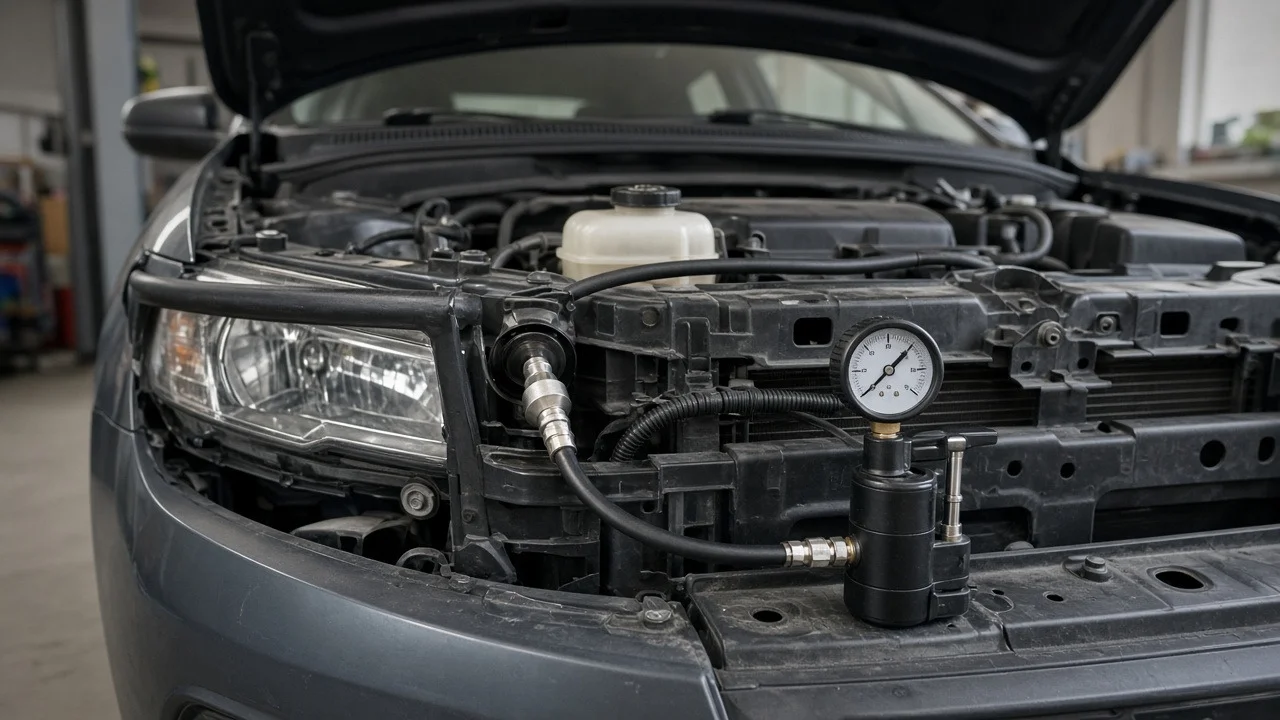
A cooling system pressure tester earns its place in any serious diagnostic kit by turning an invisible leak or weak cap into a measurable pressure drop. For shoppers comparing the Stant ST-255 and related adapters, the practical question is whether the tool reaches the radiator and reservoir fittings on common vehicles without creating air pockets or false readings. This guide explains how the tester interacts with the cooling circuit and what ownership details matter before purchase.
The direct answer
The Stant cooling system pressure tester is primarily useful for locating external coolant leaks and confirming that the pressure cap holds its rated opening pressure. It works by sealing onto a filler neck or adapter, pumping regulated air into the cooling circuit, and letting the user watch the gauge. Any steady decline with no visible seepage points toward an internal leak, a small heater core drip, or a connection that only opens when the system is warm. A vehicle that loses coolant only under load may still need a separate hydrocarbon test for head gasket leakage.
Adapter selection determines whether a test is possible at all. The ST-255 designation and similar Stant ST255 or 12270 references often point to the same hand pump and gauge platform, but the radiator neck depth, reservoir cap thread, and filler angle vary by vehicle. A repair kit can restore a worn pump seal or aging release valve if the gauge still reads consistently. Before buying parts, verify the thread size and neck diameter against the vehicle application because a tester that cannot lock securely will only push air past the seal.