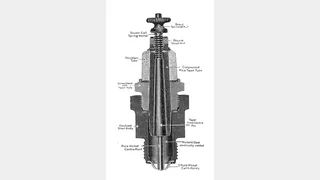
Spark plugs for CNG cars
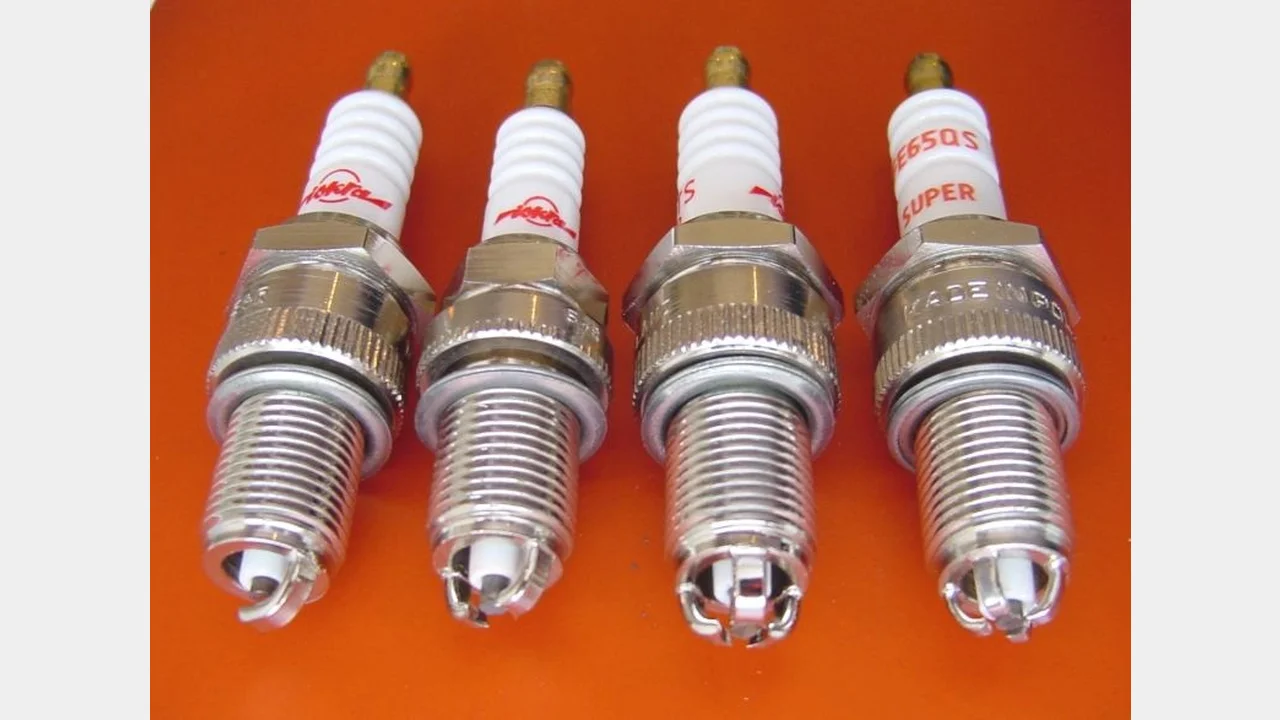
Choosing the right spark plugs for a CNG car matters because compressed natural gas burns differently than gasoline. The higher combustion temperatures and elevated voltage demand change how the ignition components behave, so a plug that works fine on petrol may wear quickly or misfire under CNG operation. Understanding what makes a suitable plug, why the change interval shifts, and how to inspect the set helps owners avoid rough running and wasted fuel while keeping the ignition system dependable in a dedicated or bi-fuel vehicle.
Essential answer
The essential answer is that engines running on compressed natural gas benefit from a spark plug designed for hotter combustion and higher secondary ignition voltage. CNG is a gaseous fuel that mixes evenly with air, but it has a higher octane rating and requires more energy to initiate the spark kernel than a liquid gasoline mixture. Even when the engine itself is a converted gasoline design, the plug must resist rapid electrode erosion, maintain a stable gap, and transfer heat away from the ceramic tip without overheating. Since there is no fuel-washing effect from liquid gasoline, deposits behave differently and can mask early wear.
This does not mean every CNG vehicle requires an exotic part, but the plug must be matched to the engine configuration and the manufacturer specifications for that conversion or factory system. A plug that is too hot can promote pre-ignition under sustained load, while an overly cold plug may foul because the gaseous combustion leaves fewer cleaning additives. Inspecting the removed plugs alongside the vehicle service history is useful because the electrode condition and porcelain color show whether the heat range and gap are correct for the way the engine is actually being driven.