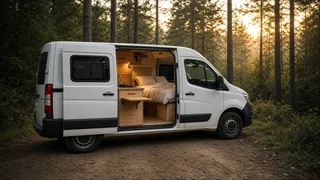
Smart car camper van conversion
A smart car camper van conversion asks how much camping utility can be packed into a city-sized vehicle. Unlike a full-size van build, the project centers on constrained interior space, modest weight capacity, and a sleeping area that typically extends into the front footwells or onto a custom platform. The approach attracts solo travelers and weekend users who value fuel efficiency, easy parking, and low running costs over standing room. Success depends on careful layout planning, removable furniture, compact gear, and honest expectations about what a micro-camper can and cannot do on longer trips.
Essential answer
A smart car camper van conversion is a micro-camper build that turns a small two-seat city car into a basic overnight vehicle. The essential scope is a sleeping platform, insulated window covers, compact storage, and often a lightweight electrical setup for lighting or device charging. It is not a replacement for a traditional camper van. There is no standing height, fixed washroom, or full galley. The conversion works best for one person taking short road trips, attending events, or using the car as a weatherproof alternative to a tent where parking width and fuel consumption matter more than interior volume.
Because the passenger cabin is compact, most practical layouts rely on a folding bed deck that spans from the rear hatch toward the dashboard. The front seat often reclines or is removed to create legroom, while soft bags fit beneath the platform and in the footwell. Ventilation, condensation control, and privacy covers become important because the small glass area heats quickly and holds moisture. A realistic conversion therefore emphasizes modularity and low weight, preserving the car’s handling, payload margin, and ability to return to daily use without permanent body modifications.