Sedan Cars: What Defines a Sedan and How It Compares to Other Body Styles
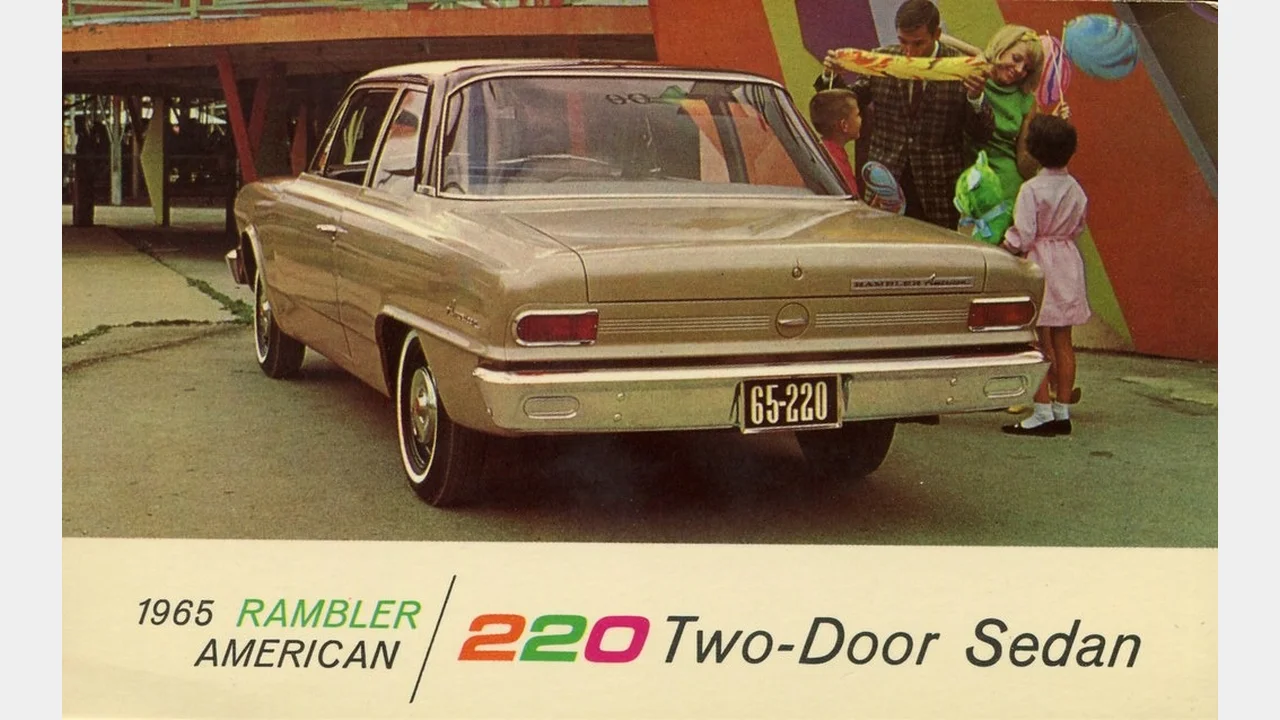
A sedan is a passenger car with a fixed roof, usually four doors, and a trunk that is separated from the cabin. Designers often call it a three-box layout: one box for the engine, one for the passengers, and one for the cargo. This guide covers what sets a sedan apart, how it compares with nearby body styles, how sedans are grouped by size in the US, and which trade-offs matter most when you choose one.
The short answer: what counts as a sedan
The trunk is the defining feature. In a traditional sedan, the trunk lid is hinged below the rear window, so the glass stays in place when you open it, and a fixed panel or bulkhead behind the rear seat separates passengers from luggage. Many sedans let you fold the rear seatbacks to pass longer items through, but the trunk is still a distinct compartment rather than part of the cabin.
Two qualifications change how cars are labeled in practice. First, some cars look like sedans but have a rear hatch that lifts the glass with the lid. These are liftbacks, and they behave more like hatchbacks when you load cargo. Second, carmakers sometimes call a sleek four-door sedan a four-door coupe. That label is about styling. Functionally, the car is still a sedan if it has four doors and a separate trunk.
How a sedan differs from other body styles
The table below sets out the general distinctions between body styles. Individual models can blur these lines, so check the rear opening and the seating layout of the specific car you are considering.
Body style | Doors | Rear cargo access | Typical character; Sedan | Usually four | Trunk lid below the rear window; cargo area separate from cabin | Enclosed, quiet cargo space; low seating; balanced proportions; Hatchback | Three or five (counting the hatch) | Top-hinged hatch that includes the rear glass; cargo area open to cabin | Flexible cargo space in a compact footprint; Liftback / fastback | Usually five (counting the hatch) | Sloped hatch that lifts with the glass | Sedan-like profile with hatchback-style loading; Coupe | Usually two | Trunk or hatch, depending on design | Sportier styling; tighter rear seat access; Station wagon | Five (counting the tailgate) | Tall rear tailgate; extended roofline | Sedan-like driving position with more cargo height; Crossover / SUV | Usually five (counting the liftgate) | Tall liftgate; cargo area open to cabin | Higher seating; more ground clearance; more vertical cargo space
Sedan size classes in the US
In the US, the EPA groups cars into size classes by interior volume, meaning passenger space plus trunk space combined, not by exterior length. Under this system, sedans are generally classed as subcompact, compact, midsize or large. Carmakers' marketing labels don't always match the EPA class. A car sold as compact can fall into the midsize category if its cabin and trunk are roomy enough.
Subcompact: the smallest sedans, focused on low running costs and easy parking; rear seat and trunk space are limited. Compact: a common choice for commuters and small households, balancing efficiency, price and usable rear seating. Midsize: more rear legroom and trunk space, often suited to families or frequent highway driving. Large (full-size): the most interior room, often paired with more powerful engines or luxury features.
Size class gives you a rough idea of space, but the published interior and trunk volume figures for a specific model year and trim are a better basis for comparison. Trunk shape matters as much as the number: a wide, square opening is more useful than a deep but narrow one.
Advantages of a sedan
Handling and stability: a lower body and lower center of gravity generally mean less body roll than a taller vehicle with a similar chassis. Efficiency: a smaller frontal area and lower roofline tend to reduce aerodynamic drag, which helps highway fuel economy or electric range compared with a taller vehicle of similar size and powertrain. Cabin quietness: because the trunk is sealed off from the cabin, road and cargo noise from the rear is often lower than in a hatchback or crossover. Secure, out-of-sight cargo: belongings in the trunk can't be seen through the windows, and in many cars the trunk can be locked separately. Cabin temperature: with no open cargo area, there is less interior volume to heat or cool.
Limitations to weigh
Cargo flexibility: the trunk opening limits the height and shape of items you can carry. Bulky objects that fit easily in a hatchback or crossover may not fit at all. Entry and exit: lower seats can be harder to get into and out of for some people, and loading a child seat means bending lower. Ground clearance: sedans usually sit lower, which matters on rough roads, steep driveways or in deep snow. Rear seat folding: some sedans have split-folding rear seats, some only a small pass-through, and some have fixed seatbacks. This varies by model and trim. Availability: in the US market, crossovers and SUVs have taken much of the share sedans once held, and several carmakers have narrowed their sedan lineups. The choice of new models depends on the year you shop.
Drivetrains and powertrains
Most mainstream sedans use front-wheel drive, which packages the engine and driven wheels together and leaves more room for the cabin. Rear-wheel drive is more common in performance and luxury sedans, where weight balance and handling feel are priorities. Many models offer all-wheel drive, either as standard or as an option on certain trims, which improves traction in rain and snow but usually adds weight and cost.
Sedans are offered with gasoline engines, hybrid systems and fully electric powertrains. The low, aerodynamic shape suits efficiency-focused designs, which is one reason the sedan body appears often among hybrids and EVs. Powertrain availability differs by model year, trim and market, so confirm what a specific version actually offers.
Is a sedan the right choice for you?
A sedan tends to suit drivers who spend a lot of time on paved roads and highways, value a quiet ride and composed handling, want efficiency without stepping down to a very small car, and usually carry passengers more often than bulky cargo. A hatchback, wagon or crossover may suit you better if you regularly haul tall or awkward items, need easier access for child seats or passengers with limited mobility, or drive on unpaved or snowbound roads where ground clearance matters.
Measure what you carry most often, such as strollers, sports gear or tools, and test-fit it through the trunk opening, not just inside the trunk. Sit in the rear seat behind your own driving position to check legroom and headroom, especially in sedans with sloping rooflines. Check how the rear seats fold, if they do, on the exact trim you're considering. Compare official fuel economy or range figures for the specific powertrain, not the model line as a whole. Look at the safety ratings for the model year you're buying, since results can change between generations. If you're considering all-wheel drive, confirm which trims offer it and what it adds to price and weight.
Key takeaway
A sedan is defined by its separate trunk and fixed-roof, usually four-door layout. The format generally offers stable handling, good aerodynamic efficiency and a quiet, secure cargo area, at the cost of cargo flexibility and ride height. Use the EPA size class as a starting point, then compare actual interior and trunk dimensions, drivetrain options and safety results for the exact model year and trim before you decide.