Coupe Cars: What the Term Means and How Coupes Differ From Other Body Styles
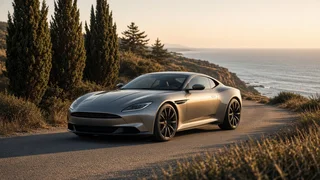
Coupe cars are vehicles with a fixed roof and, in the traditional sense, two doors, usually paired with a lower, sleeker roofline than a comparable sedan. That is the short answer, but it comes with a qualification. Automakers increasingly apply the word "coupe" to four-door sedans and even SUVs with sloping rooflines, so the label on a window sticker no longer guarantees a two-door car. This guide explains the coupe car meaning in both its classic and modern marketing senses, how coupes differ from other body styles, and what the trade-offs look like for an owner.
Coupe Car Meaning: The Core Definition
"Coupe" refers to a body configuration, meaning the overall shape and arrangement of the passenger compartment, doors and roof. It does not describe the engine, the vehicle's size class or its price. A coupe can be an affordable compact, a performance sports car or an expensive luxury grand tourer.
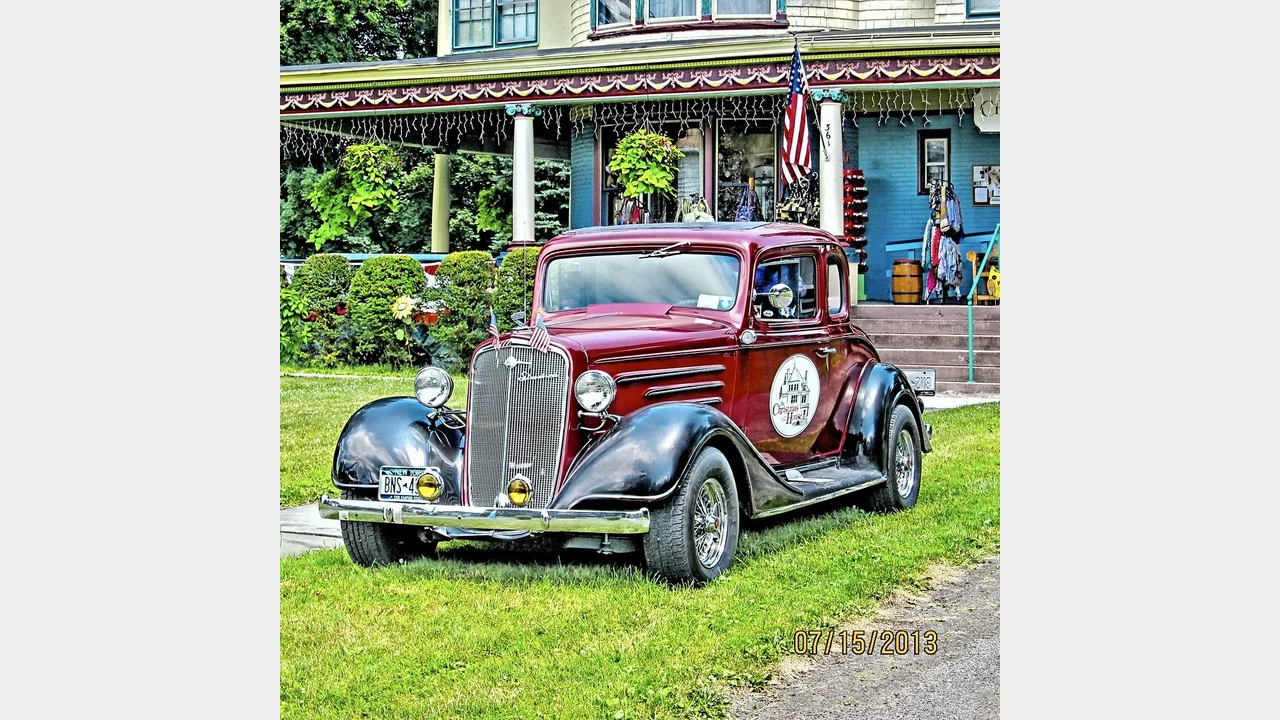
The word comes from the French "coupé," meaning "cut." It originally described horse-drawn carriages that had been shortened, typically leaving a single enclosed seating row. The idea carried over to automobiles: a coupe was a car with a shorter cabin than a sedan, with fewer doors and less emphasis on rear-seat space.
In common US usage, a car is generally considered a traditional coupe when it has these traits:
Two side doors rather than four; A fixed, non-removable roof (which separates it from a convertible); A separate trunk or a sloped rear that prioritizes styling over cargo access; A roofline that is usually lower and more steeply raked than that of a sedan from the same model line; A seating layout with either two seats or a small rear row
There is no single legal definition that all manufacturers follow, which is why the term has stretched over time. It is best understood as a widely recognized styling and layout category rather than a strict regulatory one.
Seating Layouts in Coupes
Seating layout is one of the most practical differences between coupes. Two common arrangements appear across the market:
Two-seater: only front seats, common in dedicated sports cars where weight, packaging and driving focus take priority. 2+2: two full front seats plus two smaller rear seats. The rear seats may suit children, short trips or extra storage more than regular adult use. Full rear seat: some larger coupes offer rear seating closer to a sedan's, though headroom is often reduced by the sloping roof.
Because rear-seat comfort varies widely, it depends on the specific model, generation and sometimes trim. Sitting in the back seat yourself is the most reliable way to judge whether it fits your needs.
How a Coupe Differs From Other Body Styles
The easiest way to understand coupe cars is to compare them with the body styles they are most often confused with. The table below summarizes typical characteristics; individual models can blur these lines.
Body style | Typical doors | Roof | Rear access | Main priority; Coupe | 2 | Fixed | Separate trunk or sloped rear | Styling and driving feel; Sedan | 4 | Fixed | Separate trunk | Passenger space and everyday use; Hatchback | 2 or 4, plus a rear hatch | Fixed | Top-hinged liftgate including the rear window | Cargo flexibility; Convertible | Usually 2 | Folding or removable | Usually a trunk | Open-air driving; "Four-door coupe" | 4 | Fixed | Trunk or liftback | Coupe-like styling with sedan doors; "Coupe SUV" | 4, plus a liftgate | Fixed | Liftgate | SUV height with a sloping roofline
Coupe vs. Sedan
A sedan has four doors and a cabin designed around comfortable rear seating. When a model is offered in both versions, the coupe usually trades rear-seat space and ease of entry for a lower roof and a sportier profile. Underneath, the two may share the same platform and powertrains.
Coupe vs. Hatchback
The defining feature of a hatchback is its rear opening: a liftgate hinged at the roof that includes the rear glass. Some two-door cars have a hatch and are described by their makers as coupes, or as "liftback" or "hatchback coupe" designs. In those cases, the two-door layout and styling place the car in coupe territory, while the hatch adds cargo flexibility.
Coupe vs. Convertible
Many convertibles are based on coupes, but a convertible has a roof that folds or comes off. A fixed roof generally provides a quieter cabin and a stiffer body structure, while a convertible offers open-air driving. Some models are sold in both forms within the same generation.
Four-Door Coupes and Coupe SUVs: The Modern Stretch of the Term
In recent decades, several manufacturers have applied "coupe" to four-door cars with a fastback-style roofline, often called four-door coupes or gran coupes. More recently, the label has also appeared on crossovers and SUVs whose roofs slope sharply toward the rear.
These vehicles borrow the visual language of a coupe, especially the low, flowing roofline, without its traditional two-door layout. Whether they are "real" coupes is largely a matter of definition. Practically, they tend to offer easier rear access than a two-door car, but often less rear headroom and cargo height than the conventional sedan or SUV they are based on.
Powertrain Layouts Found in Coupes
Powertrain layout describes where the engine or motors sit and which wheels are driven. Coupes span every common arrangement, and the layout shapes how a given car drives and how practical it is:
Front-engine, front-wheel drive: common in coupes derived from compact cars; efficient use of space and generally predictable handling. Front-engine, rear-wheel drive: a traditional sports and grand touring layout, valued for balanced handling and a separation of steering and driving forces. All-wheel drive: offered on many performance and luxury coupes for traction in poor weather or under strong acceleration. Mid-engine or rear-engine: found in some high-performance sports cars; usually limits the car to two seats and restricts cargo space. Electric: motor placement varies, and battery packs typically sit in the floor, which can affect seating height and cabin packaging.
The body style alone does not tell you the layout. The same coupe nameplate may offer different drive configurations by model year, generation or trim.
Where Coupes Sit in the Market
Because "coupe" describes shape rather than vehicle class, coupe cars appear in several market segments:
Compact and economy coupes: two-door versions of small cars, focused on style at an accessible price. This segment has shrunk in the US as buyers moved toward crossovers. Sport compact and sports coupes: built around driving engagement, often with performance-oriented suspension and steering. Muscle and performance coupes: larger cars emphasizing power, typically with rear-wheel drive or all-wheel drive. Grand tourers: comfortable, often powerful coupes intended for long-distance driving. Luxury and exotic coupes: high-end models where design, materials and performance take priority over practicality.
Availability also changes across model generations. A nameplate offered as a coupe in one generation may be sedan-only, hatchback-only or discontinued in the next, and the reverse also happens. When researching a specific car, confirm which body styles were offered for the exact model year you are considering.
Advantages and Drawbacks of Owning a Coupe
The appeal of a coupe is often emotional as much as practical, but the trade-offs are real and worth weighing before you buy.
Potential advantages
Distinctive styling with a lower, sleeker profile; A driver-focused cabin, especially in performance-oriented models; Possibly a lighter, stiffer structure than an equivalent convertible, and sometimes than a sedan version, depending on the model; A personal-car feel suited to drivers who rarely carry rear passengers
Potential drawbacks
Harder rear-seat access, since passengers must climb past folded front seats; Limited rear headroom and legroom in many models; Longer doors that can be awkward to open in tight parking spaces; Reduced rear and over-the-shoulder visibility caused by thick roof pillars and small rear windows; Installing child seats in the rear can be less convenient; Insurance costs and resale demand can differ from sedan versions, so compare quotes and local market conditions for the specific model
Is a Coupe Right for You?
A coupe tends to suit drivers who usually travel alone or with one passenger, value styling and driving feel, and have another vehicle or other options for carrying family or bulky cargo. It is a weaker fit if you regularly carry adults in the back, use child seats daily or park in narrow spaces.
If you are drawn to coupe styling but need more everyday practicality, a four-door coupe, a hatchback version of the same model or a coupe-styled crossover may offer a middle ground. Whatever you consider, check the actual body configuration, seating layout and powertrain for the exact model year and trim, then test the rear seats, door clearance and visibility in person before deciding.