Seat Belt Buckle Stuck or Jammed: Safe Checks
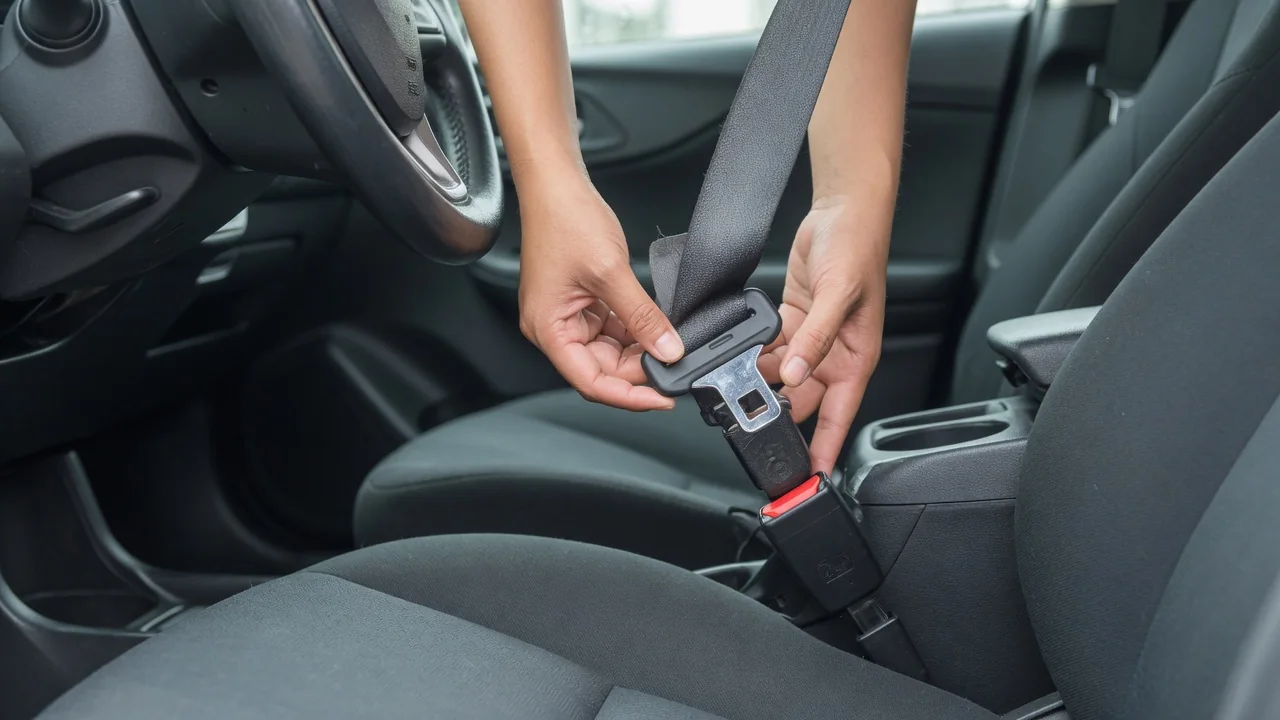
A seat belt buckle stuck in the latched position, or one that refuses to accept the latch plate, is more than an annoyance, because the buckle is part of the restraint system that protects occupants in a crash. This guide explains how the buckle works, what a jammed or sticking buckle typically looks and feels like, and which checks are safe before professional repair.
What This Topic Covers
The subject here is the buckle itself, the receiver anchored beside the seat that accepts the metal latch plate, often called the tongue. A stuck seat belt buckle may hold the tongue and refuse to release when the red button is pressed, or it may reject the tongue so the belt never clicks in. Both conditions matter, yet they point toward different causes, and separating them is the first step in judging whether a simple obstruction or internal damage is more likely.
Problems with the retractor, the spring-loaded reel that pulls webbing back into the pillar, are a related but separate matter and are mentioned only where they get confused with buckle faults. Readers can observe button travel, the sound of the latch, and the condition of the housing without tools. Designs differ between manufacturers and even between seating positions in the same vehicle, so the owner's manual and vehicle-specific service information remain the reference for anything beyond a visual inspection.
How It Works in a Vehicle
Inside the housing, a spring-loaded latch drops into a window cut in the tongue as it slides in, producing the familiar click. An ejector spring is compressed at the same time, which is why a healthy buckle pushes the tongue out when the release button is pressed. The button simply moves the latch clear of the tongue. Anything that blocks that small movement, such as a coin, crumbs, dried soda, or a broken plastic piece, can leave the seat belt buckle jammed.
Many buckles also contain a switch or sensor that tells the vehicle whether the belt is fastened, feeding the reminder chime and warning light and, in many vehicles, the airbag control module. Some buckles are mounted on a pretensioner, a device designed to tighten the belt in a collision, with wiring running under the seat. Because of that connection, a buckle is not a purely mechanical part, and a warning light or stored fault code is evidence to investigate rather than proof that a particular component has failed.
Common Variations
A sticking seat belt buckle shows up in several ways. The button may feel gummy and return slowly, which often suggests a sugary spill or grime on the sliding surfaces. It may feel hard and immovable, hinting at a foreign object wedged beside the latch. The tongue may click in and then pop back out, or release only after several presses. Intermittent behavior in cold weather can occur when moisture or thickened residue is present inside the housing, though the cause should be confirmed rather than assumed.
Hardware varies as well. Front buckles commonly sit on a rigid stalk or cable bolted to the seat frame, while rear buckles are often on short webbing straps or recessed into the cushion, where they collect debris and get trapped under folded seatbacks. Center rear positions in some vehicles use a second small buckle for a detachable belt, released with a key or the tongue tip. Child seat installations add another variable, since a tightly loaded belt can make a normal buckle feel jammed.
Everyday Use and Observations
Day to day, the most useful habit is noticing change. A buckle that once latched with a crisp click and now needs a second push, or a button that sits lower than its neighbor, is giving early warning. With the vehicle parked, a flashlight shone into the slot can reveal coins, food, or hair ties. Comparing the feel with another buckle in the same vehicle gives a helpful baseline, and checking the tongue for bends, burrs, or sticky residue rules out the simplest causes.
If the tongue is trapped, easing belt tension often helps: pushing the tongue slightly deeper into the buckle while pressing the button fully can unload the latch and let it release. Loose debris at the opening can be lifted out gently or drawn out with a vacuum. Spraying lubricants, pouring liquids, or prying inside the housing with metal tools is unwise, since residue attracts dirt, fluids can reach the switch, and force can damage the latch in ways that are not visible from outside.
Limits and Next Steps
Owner checks end at the outside of the buckle. Opening the housing, unbolting the anchor, or unplugging connectors under the seat moves into territory that involves the supplemental restraint system and calls for the manufacturer's procedures. A buckle that has cracked plastic, a frayed strap, a bent stalk, corrosion, or an unreliable latch should be treated as a damaged restraint and replaced or repaired properly, not patched. The same applies after a collision, since restraint parts may need inspection or replacement according to vehicle-specific guidance.
Until a stuck seat belt buckle is fixed, that seat should not carry a passenger, because a belt that will not latch offers no protection and one that will not release can delay exit in an emergency. A qualified technician can test the mechanism, read any related codes with vehicle-specific information, and fit the correct part. It is also worth asking a dealer whether any recall or extended coverage applies to the restraints, as coverage and terms differ by manufacturer and vehicle.