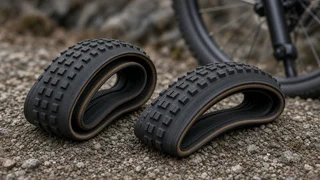
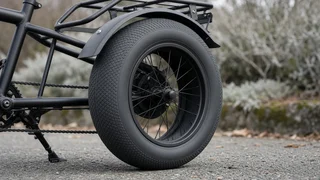
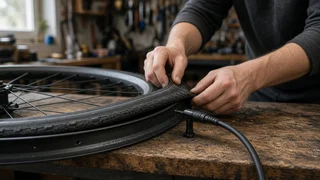
Schwalbe Winter Studded MTB Tire (Wire Bead)
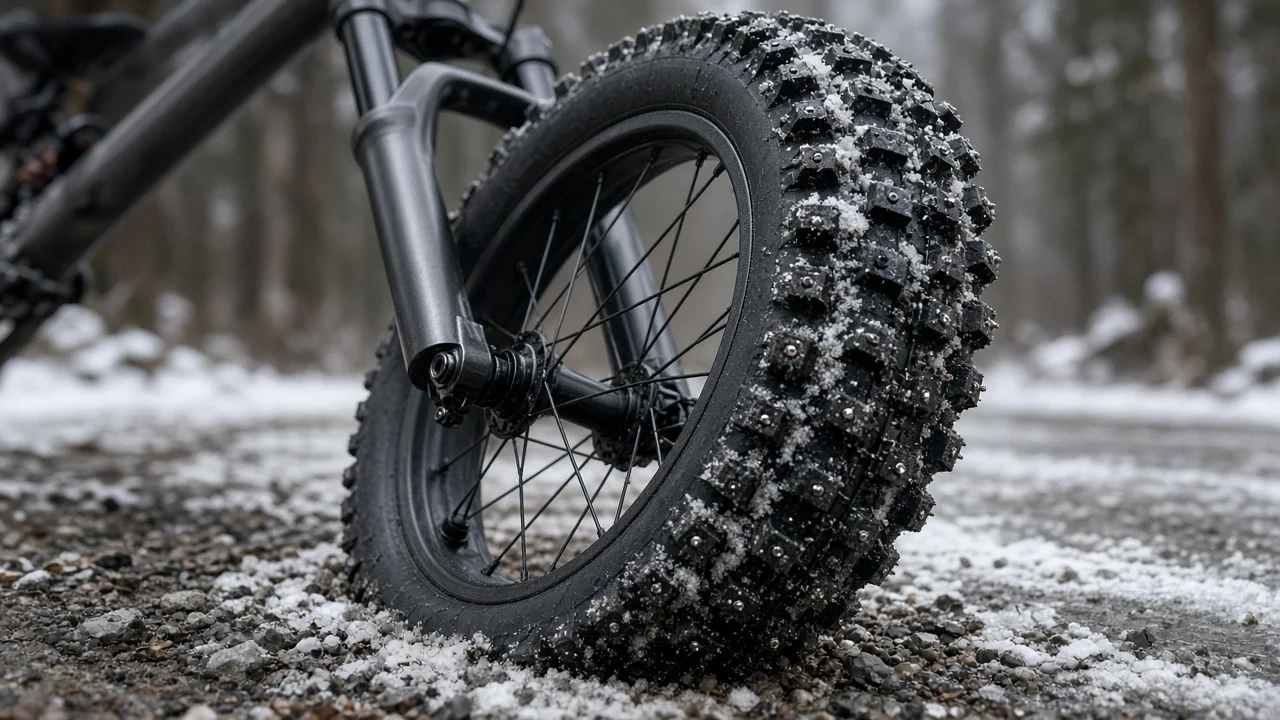
Choosing the Schwalbe winter studded mountain bike tire with a wire bead means matching aggressive cold-weather traction to your rim, frame clearance, and riding conditions. Studded tread can transform icy singletrack, hardpacked snow, and frozen commuting routes, but the benefit depends on correct tire size, inflation pressure, and drivetrain compatibility. Before buying, verify the wheel diameter and width, the frame’s clearance for studs, and the wire bead’s fit on your rim. This helps you avoid clearance rub, poor seating, or a tire that feels sluggish on dry pavement where carbide or steel pins provide little advantage.
The direct answer
The immediate answer is to buy this tire only when your mountain bike regularly sees ice, glazed snow, or frozen mixed surfaces, and when your wheel diameter and internal rim width match the stated casing size. A wire bead holds the tire securely on a compatible rim, but it does not change the need for enough stud row coverage to engage the surface. If most riding remains on dry asphalt or wet rock, ordinary winter tread or a non-studded aggressive tire may be quieter, lighter, and less expensive to run.
The purchase also makes sense when your frame and fork have adequate clearance around the knobs and protruding studs. Check the vehicle placard equivalent for bicycles: the molded sidewall carries tire size, recommended inflation pressure range, and sometimes load guidance. Confirm the measured tire width does not contact the fork arch, chainstays, or bridge under mud and snow buildup. Without that clearance, the studded mountain bike tire can damage the frame or bind during rotation, especially when pressure drops and the casing grows under load.