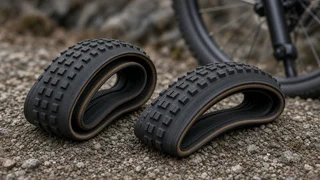
Schwalbe Marathon Wire Bead Tires
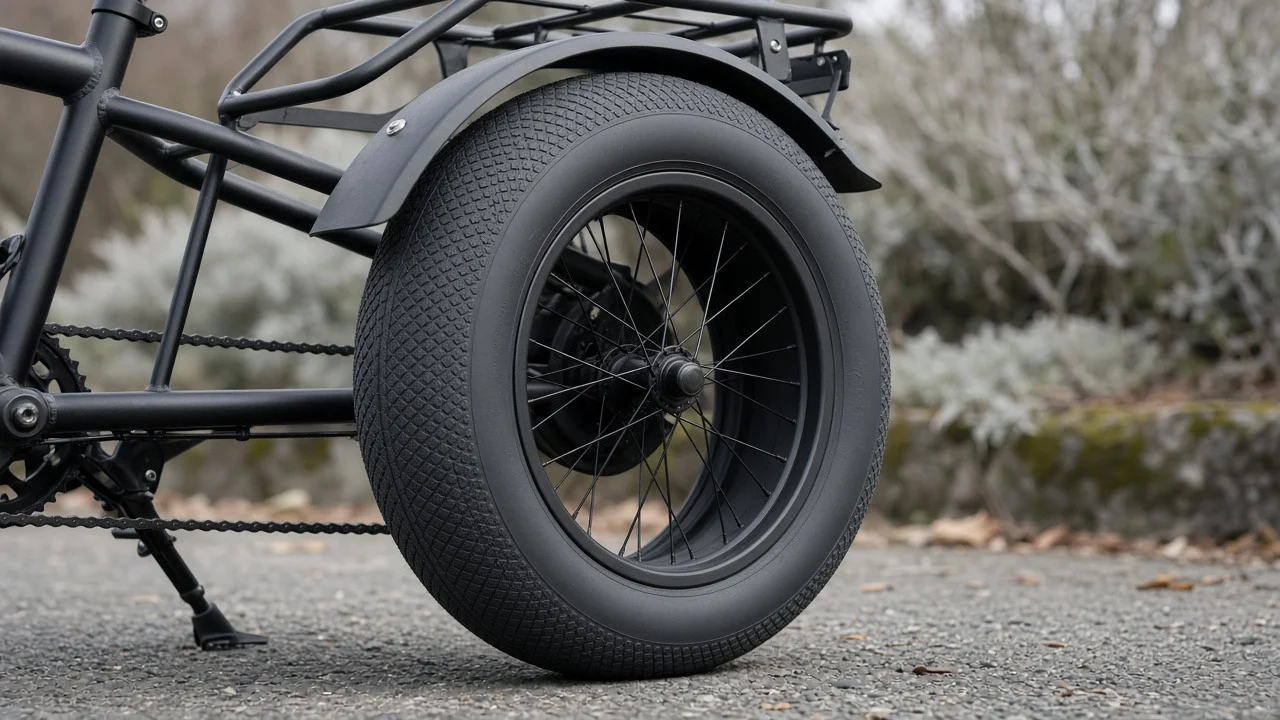
Choosing a Schwalbe Marathon wire bead tire means balancing puncture resistance, sidewall durability, and everyday ride quality against the simple mounting and storage needs of a steel-bead casing. The Marathon GG RLX and Marathon HS versions both use that proven wire bead foundation, yet details such as tread compound, reflective sidewall treatment, and size availability can change which one fits a particular commute, tour, or utility bike. This guide explains how to read the relevant tire specifications so the final purchase matches your rim width, load requirements, and real roads.
The direct answer
The direct answer is that you should confirm the exact sidewall marking on the tire already fitted or the size printed on the bicycle's frame and rim, then select the Marathon wire bead version that keeps the same width and bead seat diameter. A wire bead tire stretches less at the bead than a folding tire, so it seats firmly on most compatible rims and is generally easier to keep in place during installation. For riders replacing a worn Marathon rather than changing size, matching the existing width avoids clearance problems at the fork, stays, fenders, or rack mounts.
Because these are commercial product queries, the immediate buying decision should also account for the load index and speed symbol printed on the candidate tire when available. Wire bead tires with reinforced sidewalls are often chosen for loaded commuting or touring, but the inflation pressure range is also tied to tire width and rim compatibility. If the goal is straightforward replacement, the GG RLX description typically points to a Marathon variant with different casing or reflective features than the HS description, so comparing the complete sidewall code is more useful than relying on the name alone.