Saving gas on the highway

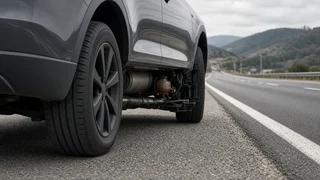
Highway driving should be the easiest place to get strong fuel economy, yet many motorists watch the gauge drop faster than expected on long interstate runs. Saving gas on the highway is less about one secret trick than about managing speed, aerodynamic load, acceleration events, and route conditions together. Small sustained changes in how a vehicle is driven and prepared can reduce consumption measurably over a road trip. The core principle is reducing the engine’s workload at steady cruising speeds while avoiding unnecessary energy losses.
Essential answer
The essential answer is that saving gas on the highway depends on maintaining a moderate, steady speed and minimizing disruptions to that state. At highway velocities, aerodynamic drag increases sharply with speed, so even a small reduction in cruising speed lowers the force the engine must continuously overcome. Smooth throttle use, anticipating traffic flow, and avoiding repeated brake-and-accelerate cycles preserve momentum. A vehicle that holds a consistent speed on a clear road segment will generally use less fuel than one making frequent corrections or aggressive passes.
The scope of the answer changes with travel conditions and road classification. On a flat interstate with light traffic and no access restrictions, steady-state cruising is achievable. On a rolling route or a crowded urban freeway with frequent merges, lane changes, and speed-limit shifts, the practical savings strategy shifts toward reading traffic signs early and choosing a lane layout that reduces braking. Saving gas on the highway therefore combines speed discipline, route-aware driving, and preparation of the vehicle before the trip.