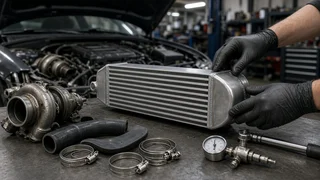
Running a Turbo on a 5.3 Without an Intercooler
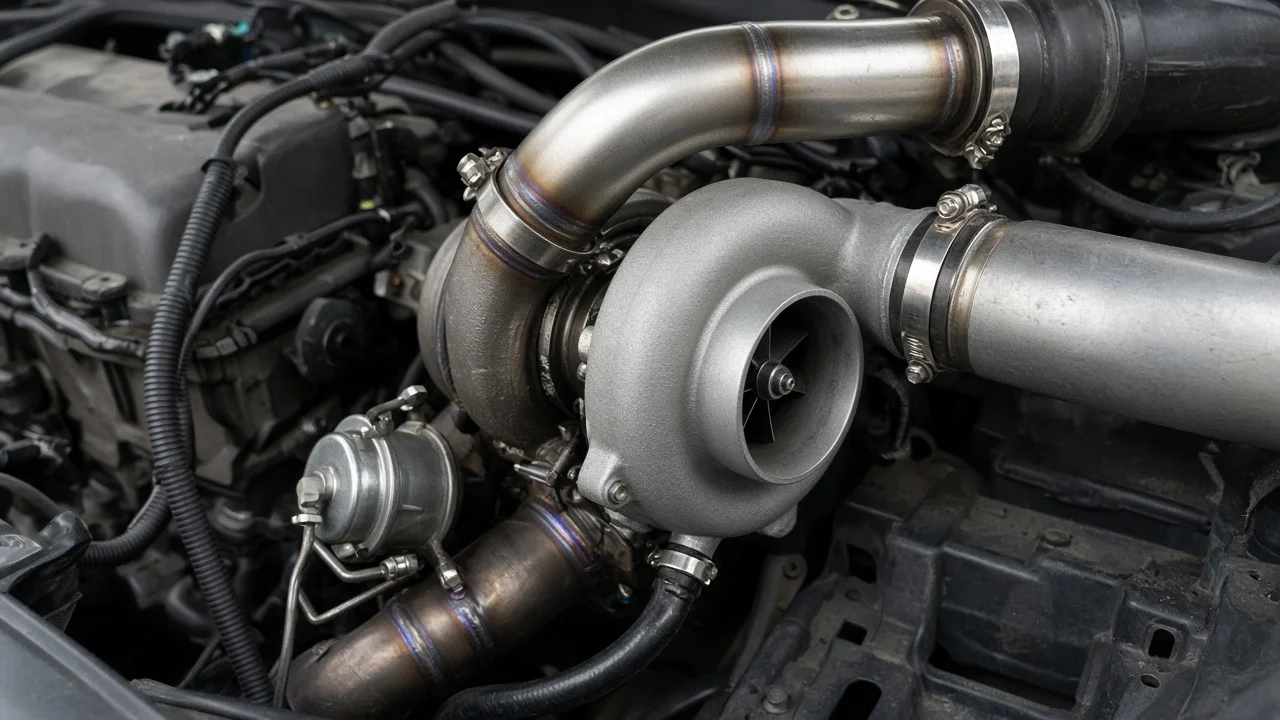
Adding boost to a 5.3 without an intercooler raises immediate questions about heat, detonation, and part durability. The short answer is that it can work at low boost on a stock or lightly modified engine, but it narrows the tuning margin substantially. Because the compressor outlet feeds hot, pressurized air straight into the intake, charge-air temperature climbs quickly. A careful owner can manage the setup with conservative timing, moderate boost pressure, and attention to hose connections and oil contamination, but the system will not tolerate aggressive tuning the way an intercooled arrangement would.
Essential answer
Running a turbo on a 5.3 without an intercooler is possible, but only within a limited operating window. The turbocharger compresses intake air, and that compression process inherently adds heat. Without a heat exchanger to remove it, the engine receives a hotter, less dense air charge. At low boost pressure the temperature rise may remain manageable, especially during short pulls or cool weather. Once boost climbs or the pull lengthens, the hotter charge raises the likelihood of knock and forces the tune to remove ignition timing, which reduces the power benefit the turbo was meant to provide.
The absence of an intercooler also changes how the rest of the system should be viewed. A direct pipe from the compressor outlet to the throttle body simplifies packaging and eliminates some pressure loss, but it leaves no buffer against heat soak. That simplification can be appealing on a budget build, yet it places more demand on fuel quality, engine management, and driving habits. The setup is not automatically destructive, but it is far less forgiving than a properly intercooled turbo system on the same displacement.