Rhino USA Tire Pressure Gauge
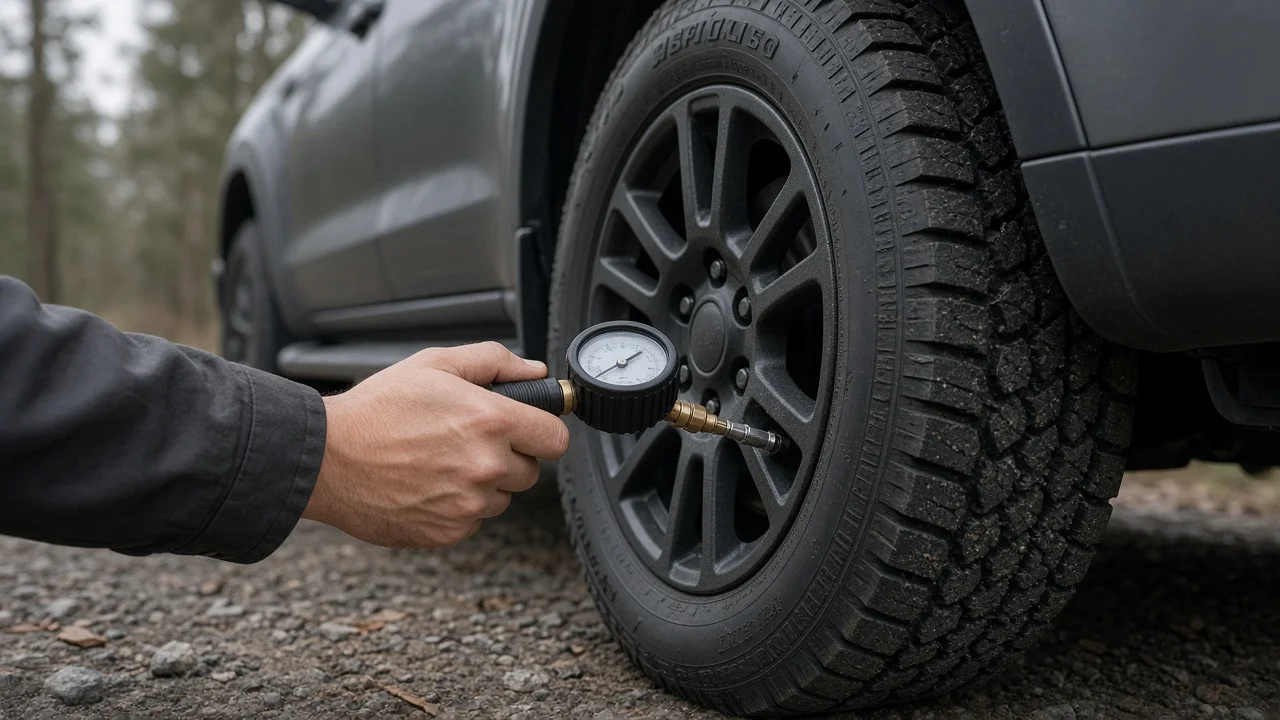
Choosing a tire pressure gauge means balancing readability, durability, and how the tool feels in your hand during a quick check at the valve stem. A Rhino USA tire pressure gauge is often considered for glove boxes, truck kits, and compressor bags where a mechanical or digital display has to survive heat, dust, and occasional drops. The immediate buying question is usually whether the gauge covers the pressures you actually run and how clearly it connects to the valve. Judging the measurement range, stated accuracy, calibration stability, and switchable units helps avoid a gauge that is sturdy but hard to read or one that reads precisely only within a narrow band you never use.
The direct answer
A Rhino USA tire pressure gauge can be a sensible choice when you need a rugged handheld tool for routine pressure checks on cars, trucks, SUVs, trailers, or motorcycles, provided the model covers your expected inflation range and offers a scale you can read quickly. Analog heavy-duty versions are useful for simple mechanical reliability and visibility in bright light, while digital versions can reduce guesswork by displaying a numeric reading. The best purchase depends on how often you check pressures, whether you work on several vehicle types, and whether you prefer a dial, a digital screen, or an inline gauge attached to an inflator.
The practical condition that changes the recommendation is vehicle specification. A gauge built for high-pressure truck tires may have a broad measurement range that makes small passenger-car differences harder to see on an analog dial, while a lower-range gauge may be easy to read on a sedan but unsuitable for a trailer or motorhome tire. Look for a connection that seats cleanly on the valve stem without excessive air loss, a predictable bleed button where fitted, and a display that does not wash out under direct sun. If the gauge supports switchable units, confirm the readout matches the pressure listed on the vehicle placard rather than mixing psi, bar, or kPa.
Accuracy and calibration also matter because a rugged housing does not by itself improve the internal sensing mechanism. A gauge may feel solid but drift after storage in a hot cab or after repeated use on dusty valve stems. Readings should be checked against a known reference occasionally, especially before towing or before setting tire pressures that affect wet braking and tire wear. A digital Rhino USA tire pressure gauge may hold its display long enough to read away from the wheel, while a mechanical gauge may require holding the connection steady until the needle settles. Neither type should be considered a substitute for confirming unusual readings that do not match handling, wear patterns, or a slow-leak check.
For buyers considering a Rhino USA tire inflator with pressure gauge, the integrated design is most useful for filling and monitoring in one operation rather than switching between separate tools. This can reduce the time a valve core is open and help avoid overinflation when air is flowing. However, an inline gauge near the chuck may read slightly differently from a handheld gauge because of hose pressure and airflow; taking a settled reading after stopping the compressor gives a more consistent comparison. Choose the inflator style when convenience during inflation matters more than a compact standalone gauge for the glovebox.