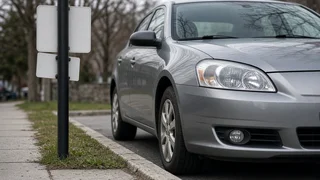
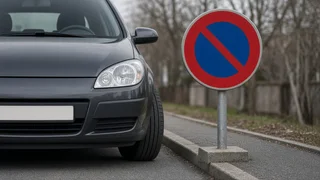
Read VicRoads parking signs

Reading VicRoads parking signs correctly can prevent costly fines and help you choose a safe, legal place to stop. These posted signs communicate parking restrictions that change by time, day, and vehicle type, so a quick glance is rarely enough. Drivers should treat the entire sign assembly, including any attached plates below the main symbol, as one instruction. In contexts influenced by Australian practice but explained here for a US reader, the same principle applies: interpret the specific combination of symbols and text before leaving the vehicle.
Essential answer
The essential answer is that reading a VicRoads parking sign means checking the main symbol and every supplementary plate beneath it before deciding to park. A typical sign might show a large P for parking, with lower plates defining hours, days, or a maximum stay. The complete message comes from the stack viewed as a single local rule, not from any one line in isolation. If the posted signs show contradictory or unclear details, the safest reading is the most restrictive one that applies to your current time and location.
Your vehicle dimensions also matter because a legal parking restriction may be accompanied by physical conditions that make a spot unsuitable. A parallel space may meet a time limit but leave too little maneuvering space for a long pickup or SUV when other cars are present. Before committing, compare available clearance side-to-side and front-to-rear with what you know your vehicle needs. Checking mirrors and estimating the curb-to-lane position helps confirm that the chosen space works with the restriction on the sign and the reality at the curb.