Range Rover Sport Steering Angle Sensor Location and Replacement
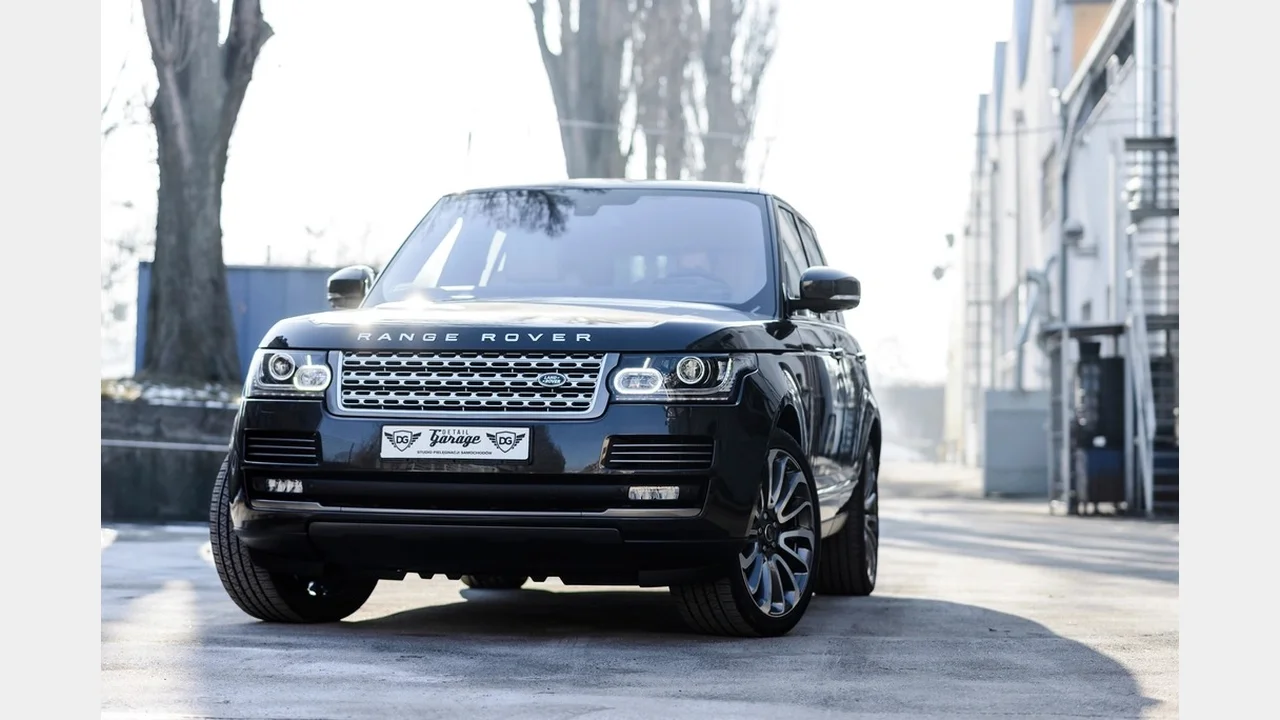
When a Range Rover Sport begins to illuminate stability warnings, reduce power, or feel unsettled in corners, the steering angle sensor location often becomes the first diagnostic question. This component translates wheel position into electronic data that stability, traction, and suspension systems use. Finding and replacing it on a modern Land Rover requires understanding its position in the steering column assembly, the vehicle's network expectations, and why a fault code does not automatically mean the sensor itself has failed. The following sections outline core location, replacement, and identification considerations.
Essential answer
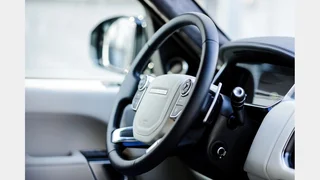
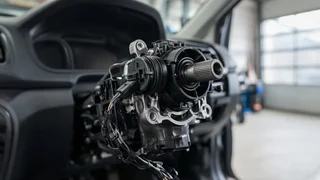
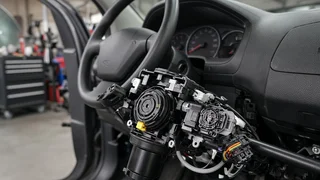
The essential answer is that the steering angle sensor is typically integrated within the steering column assembly, not mounted at the road wheels or on an external steering rack bracket. On many Range Rover Sport configurations, access involves removing trim from around the column shroud and often working behind the steering wheel. Because the sensor must capture rotational movement precisely, it sits along the column shaft where the driver's input is converted into a measurable electronic signal. Its specific mounting style can vary by model year, steering column type, and optional equipment such as electric power steering or adaptive dynamics.
Replacement is not simply a mechanical swap. After installing a new or known-good unit, the sensor generally requires initialization or calibration so the vehicle knows the centered position. Without that step, the system may set steering angle faults, behave unexpectedly during acceleration, or disable features like hill descent control and stability assistance. The replacement path therefore includes connector access, fasteners, and a diagnostic or calibration routine rather than only unbolting the column. A stored steering angle code is a useful starting point, but wiring, power supply, and module communication should be considered before condemning the sensor.
Identification and location
Identifying the exact sensor location benefits from checking trim panels and column design rather than relying on generic diagrams. In many cases, the sensor resembles a ring or module surrounding the steering shaft and may share a housing with the clock spring or indicator switch assembly. Some variations place it nearer the firewall under the lower column bearing, while others position it behind the airbag and wheel hub. Since a Range Rover Sport can use different column assemblies across generations, a visual check of the shroud mounting points helps distinguish the sensor from the clockspring ribbon and the steering column control module.
Because navigation and driver assistance systems also depend on consistent position accuracy, the steering angle signal often travels over a high-speed data bus rather than a simple two-wire circuit. A scan tool can display live steering angle values, which helps confirm whether the sensor reports a plausible centered coordinate when the wheel is straight. If the value jumps, freezes, or reads an impossible angle, the problem may involve device settings, a disturbed connector, or a loss of calibration. Confirming the physical location and matching part number for the specific column configuration prevents unnecessary replacement of the wrong module.