Range Rover Dashboard Warning Lights: Symbols, Colors and Meanings
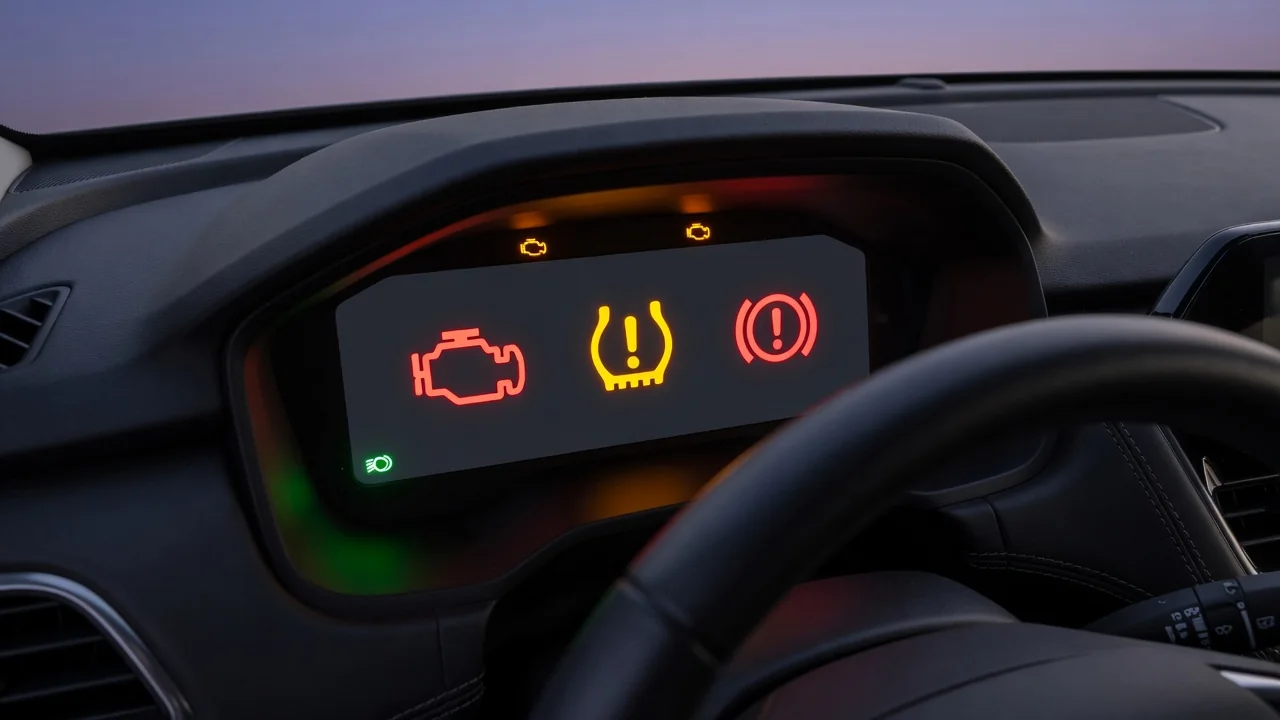
When a dashboard light appears on a Range Rover, it signals a change in vehicle condition. Understanding the meaning behind these symbols, their colors, and the accompanying text messages helps you respond quickly and safely. This guide covers the common warning lights, how to interpret their urgency, and when professional diagnosis is needed.
How Warning Light Colors Signal Urgency on a Range Rover Dashboard
Range Rover warning lights follow a color-coded logic. Red symbols indicate a serious issue that requires immediate attention, often meaning you should stop the vehicle as soon as it is safe. Amber or yellow lights warn of a fault or reduced function that should be checked soon. Green or blue lights simply confirm that a system, such as high beams or cruise control, is active.
The exact symbols and wording vary by model, generation, and year, so your owner's handbook is the final reference for your specific vehicle. During startup, most lights illuminate briefly as a bulb check, which is normal. A light that stays on after the engine is running indicates a genuine warning. If an icon appears with a text message, read both together, as the message provides context the icon alone cannot.
Red Warning Lights That Mean Stop Safely and Get Help
Red warning lights cover critical systems like brakes, oil pressure, engine coolant temperature, charging, and airbags. Although exact icons differ, their common meanings are universal: the brake system may have low fluid or a fault, oil pressure may be dangerously low, the engine may be overheating, the battery is not charging, or a restraint system issue exists. Each requires prompt action.
When a red light appears, reduce speed and find a safe place to stop. Turn off the engine if appropriate, but avoid opening the hood when the engine is hot or cooling system is pressurized. Continuing to drive could cause severe engine damage or loss of braking. Contact a dealer, qualified technician, or roadside assistance. Do not attempt under-hood repairs at the roadside, especially near hot components.
Amber Warning Lights: Engine, Emissions, Tires and Stability
Amber lights often include the engine or malfunction indicator lamp. A steady light usually means an emissions-related fault; you can typically continue driving but should have it checked soon. A flashing light indicates a misfire that could damage the catalytic converter; reduce load and seek service promptly. Tire pressure monitoring systems warn of low pressure—visually inspect tires and check pressures when cold against the placard or handbook.
Stability control, traction control, and ABS warnings suggest those systems may be disabled due to a fault. You can still drive, but adjust your style: allow more following distance and avoid aggressive maneuvers, as electronic aids may not intervene. On diesel models, amber lights for particulate filter or exhaust fluid need attention per the handbook. These warnings often require diagnostic equipment to pinpoint the cause, so timely professional service is advised.
Reading Text Alerts in the Digital Instrument Cluster
Many Range Rovers display warning information as text messages in the instrument cluster, sometimes instead of or alongside icons. The wording differs between generations and software versions, so exact phrases vary. Messages may appear for issues like low washer fluid or service reminders, which are informational, or for faults that require action. Learning to distinguish between the two prevents unnecessary alarm.
To review active or stored messages, use the vehicle's menus as described in your handbook. If a message clears after restarting, note the date, mileage, and driving conditions when it appeared—this information helps technicians. Do not ignore recurring messages; even if intermittent, they indicate a system that may need attention. Check whether a message is advisory or a fault warning before reacting, and consult a professional if the meaning is unclear.
Suspension, Terrain and Driver Assistance Warnings on Equipped Models
On equipped models, warnings may relate to air suspension, ride height, terrain management, or hill descent. If you notice an uneven ride height, restricted height settings, or a message that a system is unavailable, note the exact conditions. These observations are valuable diagnostic clues, even without assuming a specific cause. Availability of these features varies by model and trim, so not all vehicles will show such warnings.
Driver assistance systems using cameras, radar, or parking sensors can be triggered by dirt, snow, or obstructions. If a warning appears, safely inspect the sensor areas for buildup and clean them if possible. However, repeated or persistent warnings for suspension or assistance systems indicate a fault that requires professional inspection. Do not attempt component repairs or system resets yourself, as incorrect procedures can cause further issues.
Diagnostic Codes, Code Readers and When Professional Testing Is Needed
A generic code reader can retrieve standard emissions-related diagnostic trouble codes, but it may not access all Range Rover modules. Manufacturer-specific codes often require specialized equipment. Never assume a universal meaning for a code; always check it against vehicle-specific information. Clearing a code does not fix the underlying problem—the fault may return and could worsen.
When you take your vehicle to a technician, provide details: which light or message appeared, its color, whether it flashed, driving conditions at the time, any unusual noises or smells, and recent work done. This information saves time and helps the technician diagnose accurately. Because one warning light can have multiple causes, professional testing is essential to pinpoint the issue. Avoid guessing or replacing parts based solely on a code.