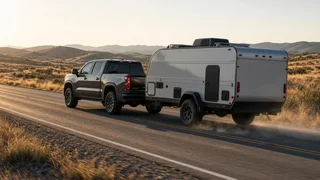
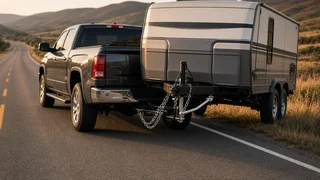
Ram 1500 Trailer Sway Control
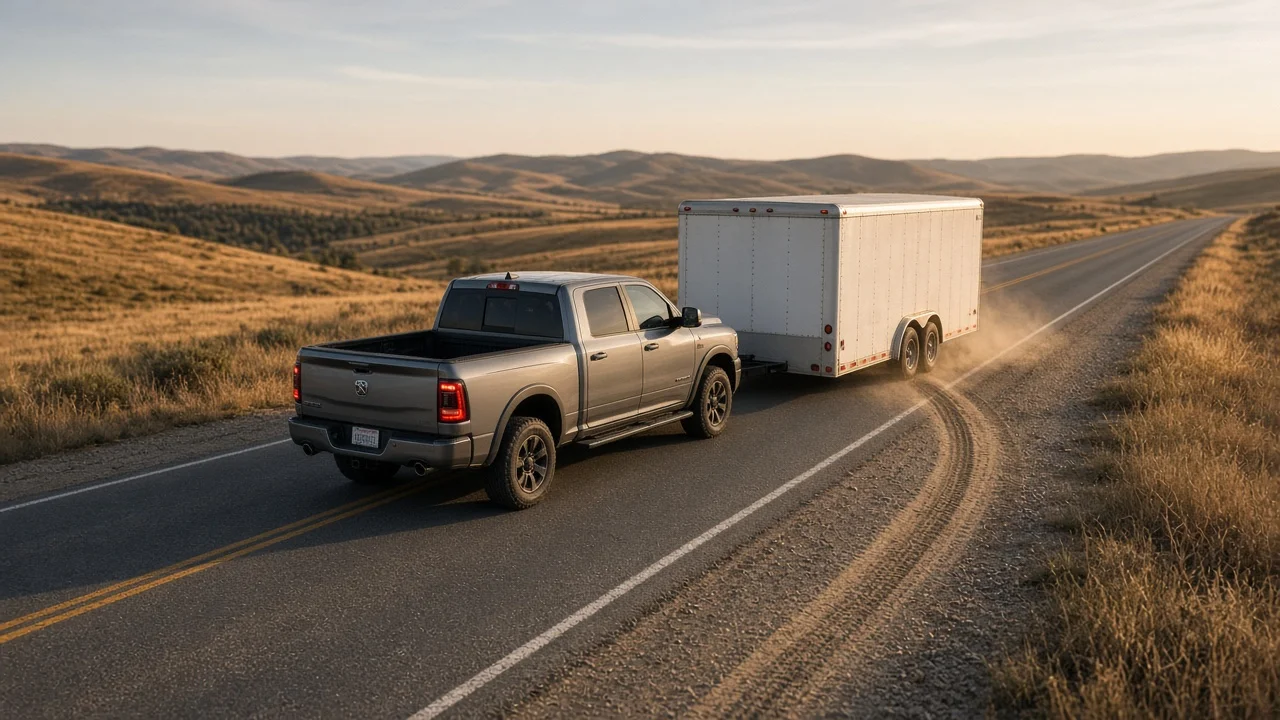
Trailer sway on a 2016 or 2017 Ram 1500 can escalate from a gentle side-to-side motion into a dangerous control loss, especially with a poorly balanced load or a sudden gust. The truck’s integrated trailer sway control system is designed to detect that oscillation early and respond through selective braking and torque management. Understanding how this feature works—and where it does not replace proper setup—helps a driver evaluate the truck’s behavior, interpret dashboard warnings, and avoid overloading the hitch, payload, or rear axle.
Essential answer
Trailer sway control on a 2016 Ram 1500 and 2017 Ram 1500 is an electronic stability function that monitors yaw motion and trailer oscillation, then intervenes when the combination begins to fishtail. The system can brake individual wheels and reduce engine torque to pull the truck and trailer back into line. It does not require a special trailer brake controller to function for sway mitigation, but it depends on the vehicle’s stability sensors and is usually active whenever the truck recognizes that a trailer is connected and moving. A warning light or message may appear if the system intervenes or if a related chassis fault is detected.
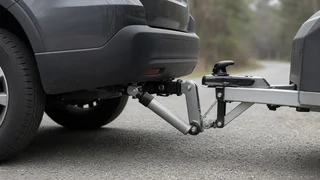
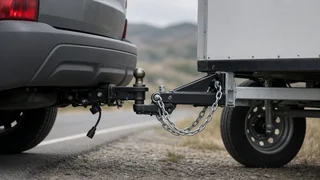
The essential answer is also qualified by vehicle configuration and weight. The system responds to motion that is already occurring; it cannot correct a fundamentally unstable trailer that exceeds the truck’s gross vehicle weight rating, combined weight rating, or rear axle rating. Excessive tongue weight, low trailer tire pressure, or an improperly loaded trailer can overwhelm the electronic correction. For the 2016 and 2017 Ram 1500, the feature should be understood as a recovery aid rather than a substitute for matching trailer weight to the truck’s rated limits and checking the hitch setup before travel.