Ram 1500 Brake Pads: How to Choose the Right Set
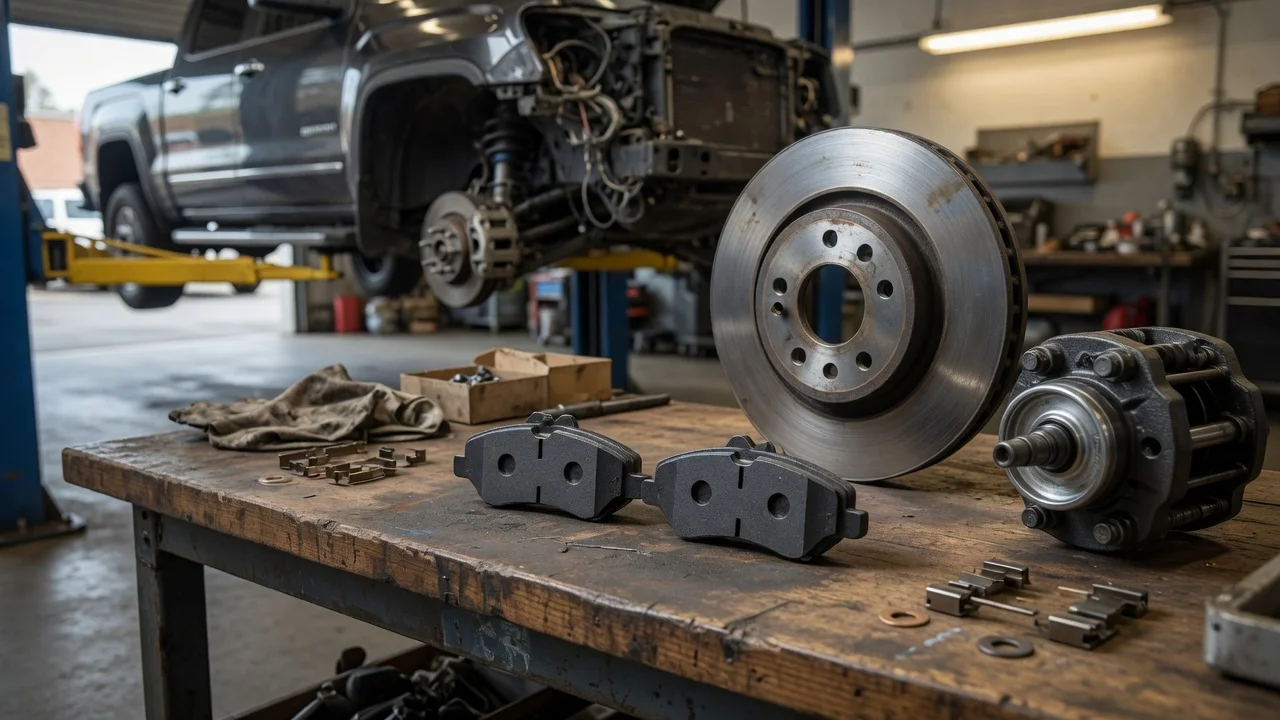
The right brake pads for a Ram 1500 are the ones matched to your truck's exact model year, generation and brake hardware, in a pad material suited to how you drive and load it. Fitment matters most. Ram has sold more than one version of the 1500 at the same time, so pads listed for one Ram 1500 should not be assumed to fit another.
Confirm fitment before comparing pads
Brake pads must match the caliper they sit in. The caliper is the clamp that presses the pads against the rotor, the disc that turns with the wheel. Caliper and rotor designs can differ between generations, variants and brake options. Starting with the 2019 model year, Ram sold the redesigned 1500 alongside the older-design Ram 1500 Classic for several years. Two trucks with the same model year and the same name can therefore need different pads.
Model year; Generation, especially whether the truck is a Ram 1500 Classic or the newer design; Trim and variant, since performance models such as the TRX use different brake hardware from standard trucks; Axle: front and rear pads are different parts and are usually sold separately; Any factory brake option or package fitted to the truck; Market or region, if the truck was not originally sold where you live
The most reliable check is a lookup by VIN (vehicle identification number) through a dealer parts department or a parts supplier that supports VIN search. You can also match the part number on the pads currently fitted, if they are the correct originals. Be careful with listings that say a pad fits a Ram 1500 across a range of years. Some of these listings split fitment further by option or variant in their details.
Choosing a pad material
Once fitment is settled, the main choice is the friction material, also called the pad compound. The table below describes the main categories in general terms. Individual products vary, and these are not test results for any specific pad.
Pad type | General traits | Often chosen for; Ceramic | Typically quieter with less visible dust; usually gentler on rotors | Daily driving and light-to-moderate loads; Semi-metallic | Generally handles heat better under repeated hard use; tends to produce more dust and noise and may wear rotors faster | Frequent towing, heavy hauling, long downhill grades; Organic (non-asbestos organic) | Softer and quiet, but usually wears faster and tolerates less heat | Light use; less commonly chosen for full-size trucks
Match the pad to how the truck works
A Ram 1500 that mostly commutes or runs errands is usually well served by a ceramic or original-equipment-equivalent pad. Low noise and dust matter more than maximum heat tolerance for that kind of use. A truck that regularly tows near its rating, carries heavy payloads or drives mountain roads puts more heat into the brakes. In that case, a pad marketed for towing or severe duty is often the better fit. If you are unsure, an original-equipment or OE-equivalent pad for your exact configuration is a sensible baseline. Pad makers' own descriptions of intended use are the best guide to how a specific product is meant to perform.
Signs pads are due and what to check at the same time
Common signs that pads need attention include a high-pitched squeal from the built-in wear indicator, a grinding sound, a longer stopping distance or a brake warning on the dash. A pulsing pedal or a steering shake under braking usually points to the rotors rather than the pads. When replacing pads, inspect the rotors against the minimum thickness that is normally marked on the rotor or given in service information. Also check that the caliper slide pins move freely and that the pad hardware, such as clips and shims, is in good condition. Many pad makers specify a bedding-in procedure for new pads, a series of controlled stops that transfers friction material onto the rotor. Follow the instructions supplied with the pads.
Gaps in this guide
No part numbers, prices, year-by-year fitment tables or independent test results were available for this article. For that reason, it does not recommend specific brands or products, and it does not list which pads fit which model years. Confirm fitment for your specific truck by VIN before buying.