Quest Digital Tire Pressure Gauge Instructions
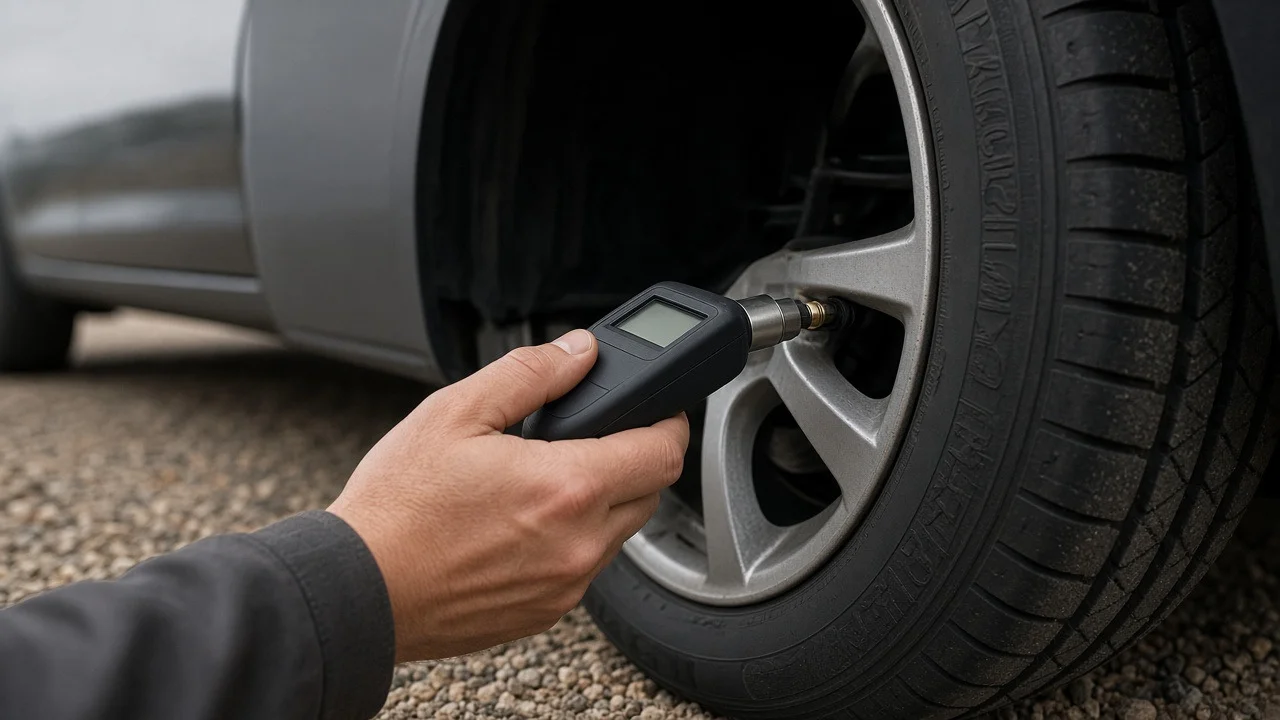
A Quest tire pressure gauge is a handheld digital instrument used to measure the inflation pressure inside a tire by sealing briefly against the valve stem. The display reports a reading in selectable units, which helps compare the actual inflation value with the vehicle specification. Because tire pressure changes with temperature and load, consistent measurement supports even tread wear and predictable handling. Digital gauges remove the needle parallax errors common in stick-type tools, but their accuracy still depends on battery condition, clean sealing at the valve, and reasonable care.
Essential answer
The Quest digital tire pressure gauge is designed to give a direct pressure reading from the Schrader valve on a tire. It converts the pneumatic force at the valve core into an electronic signal and presents that value on a small digital screen. For most users, the essential task is to compare this reading with the automaker’s recommended inflation value, usually shown on a door jamb placard rather than the tire sidewall maximum. Without that comparison, a gauge reading is just a number and does not yet indicate whether action is needed.
Accuracy and calibration shape what the measurement means in practice. A digital gauge may allow switching among pressure units such as psi, kPa, or bar, and its useful measurement range should cover typical passenger tire pressures. The gauge measures a brief connection at the valve, so a slow press, an angled seal, or a damaged valve core can introduce air loss and an unstable reading. These limitations matter when using the instrument to distinguish a slightly low tire from one that is correctly inflated.
Procedure
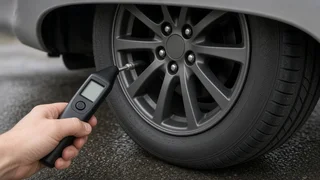
Begin when the tire is cold and the vehicle has been parked long enough for temperatures to stabilize. Remove the valve cap and keep it in a clean place. Press the gauge nozzle squarely onto the valve stem with enough firmness to stop any hissing, then hold it steady for a moment. The digital reading will usually settle before the value is recorded. If the display flashes or changes unpredictably, reseat the nozzle and take another reading before making any inflation change.
Compare the settled number with the vehicle specification for the current axle, and repeat the measurement on each tire. After checking, replace the valve cap to keep the core free of grit and moisture. If you need a reference value and the manual is unavailable, start with this basic sequence rather than attempting internal battery service or calibration adjustments that the evidence does not describe. Persistent differences between repeat readings suggest a sealing or battery issue worth checking before relying on the displayed value.