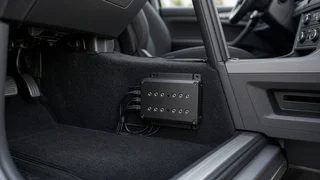
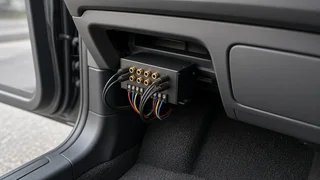
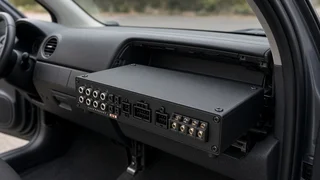
Qué es un DSP en car audio y para qué sirve
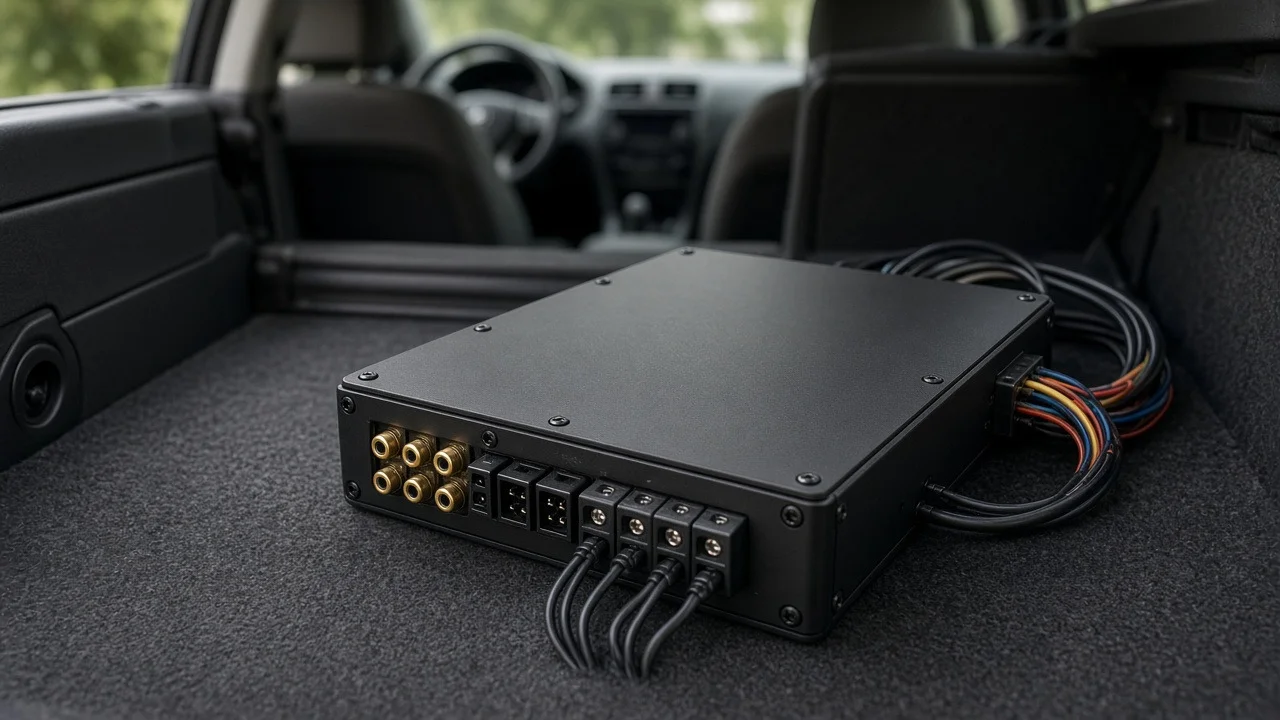
A car audio digital signal processor, or DSP, takes the music signal from a head unit and reshapes it before it reaches the amplifiers and speakers. In a vehicle, the cabin is acoustically difficult because reflective glass, absorbent seats, and off-axis speaker locations change what you hear. A DSP helps compensate for those conditions by adjusting timing, equalization, and crossover behavior. Understanding what a DSP is and what it is for helps when you compare integrations, add channels, or try to fix a system that measures well but sounds uneven from the driver seat.
Essential answer
A DSP in car audio is an electronic component that processes the audio source digitally before amplification. It converts the incoming analog or digital music signal, applies corrections such as equalizer curves, time alignment, and active crossover slopes, then sends a cleaner shaped signal to each amplifier channel. The core purpose is to overcome the compromises of speaker locations, road noise, and cabin reflections that a basic head unit cannot fully address by itself.
In practice, the device sits between the head unit and the amplifiers, or it can be integrated into an amplifier or source unit. Because every speaker is a different distance from the listener's ears, a DSP can delay the closer channels so sound arrives together. It can also reduce peaks caused by the vehicle interior and route only the appropriate frequency range to each driver, protecting tweeters and midbass speakers while improving tonal balance and front soundstage focus.