Q44 engine oil pressure control solenoid valve
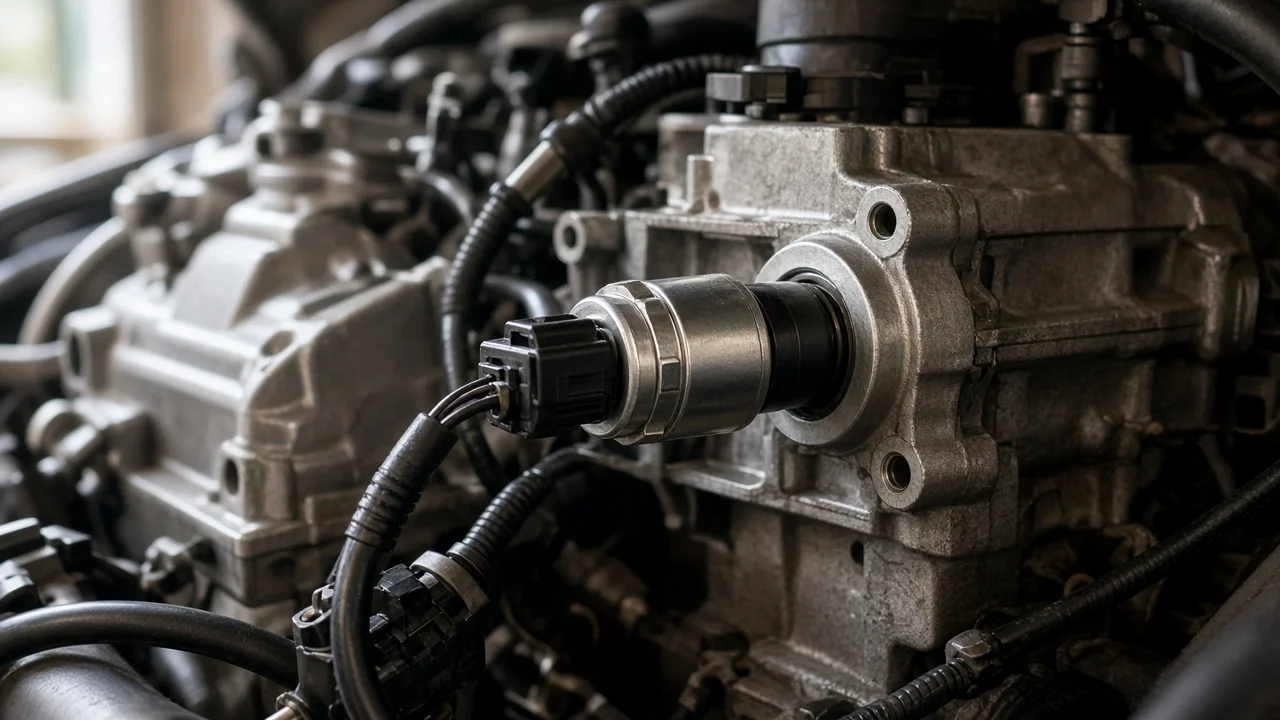
A Q44 engine oil pressure control solenoid valve question often starts with a dashboard warning, uneven idle, or a change in engine note during warm-up. The phrase points toward an electronically controlled oil-pressure device, but the Q44 designation alone does not identify one universal part. Vehicle families and engine codes can reuse similar naming, so the practical answer depends on confirming the exact application, connector shape, mounting location, and control strategy. Understanding the valve's job helps narrow whether the concern is electrical, hydraulic, mechanical, or related to lubricant condition, fill quantity, level check, oil specification, or service interval before any repair decision is made.
Essential answer
The essential answer is that a Q44 engine oil pressure control solenoid valve is most usefully understood as an application-specific electromechanical regulator rather than a generic service part. It typically allows the engine control module to adjust oil delivery or pressure in response to load, temperature, and speed. Because the solenoid depends on consistent supply pressure, the correct lubricant specification and fill quantity matter. A level check should be performed with the vehicle on level ground and the engine at the appropriate temperature, since oil aeration from overfilling or starvation from low level can produce symptoms that resemble a faulty solenoid.
Without confirmed evidence for a specific Q44 application, no exact interchange, pinout, or pressure range should be assumed. Manufacturer approval and equipment identification are important because similar-looking valves can have different coil resistance, stroke, seal material, and control frequency. A fault code should be interpreted as evidence of an out-of-range electrical or pressure condition, not proof the part has failed. Wiring, connector terminals, engine oil pressure, and the service interval history should be considered together. Manufacturer-dependent codes also require vehicle-specific confirmation before replacing the solenoid.