Progression ignition distributors
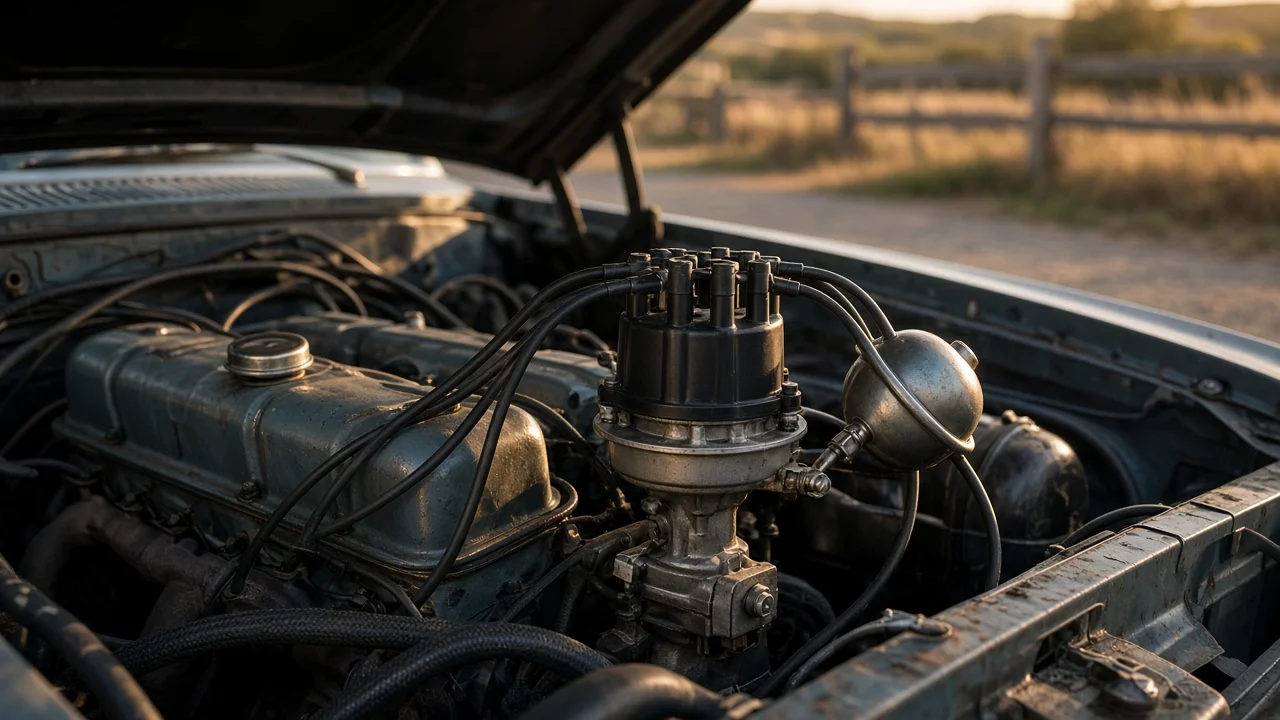
Choosing a Progression ignition distributor means evaluating how the unit manages spark timing during cranking, idle, and acceleration. The right distributor supports clean starts, steady idle quality, and predictable part-throttle response without forcing unnecessary fuel or ignition changes. Buyers often compare mechanical advance behavior, trigger stability, cap and rotor condition, and fitment against the engine’s existing starter circuit, ignition switch, battery state of charge, cranking speed, fuel delivery, and diagnostic checks. A thoughtful purchase starts with knowing how the distributor’s advance curve and trigger signal interact with those systems rather than treating the part as a simple bolt-on replacement.
The direct answer
A Progression ignition distributor is primarily evaluated by how repeatably it produces the trigger signal and how smoothly its mechanical or electronic advance curve matches the engine. The immediate answer is to choose a unit with a clean distributor shaft, secure reluctor or pickup clearance, appropriate cap contacts, and an advance mechanism that moves freely without binding. If the vehicle already has weak spark or inconsistent timing, the distributor may contribute, but the starter circuit, battery state of charge, and ignition switch must also provide stable voltage during cranking before blaming the new part.
The purchase decision changes when the engine runs a modified cam, altered fuel delivery, or a non-stock ignition box. In that case, the advance rate and total timing need careful review because a fast curve can push cylinder pressure upward too early, while a slow curve may feel lazy at part throttle. A compatibility check should include shaft length, gear material, rotation direction, and terminal indexing. Rather than assuming one curve works everywhere, buyers should interpret the available advance range and trigger output as part of a complete ignition and starting system.