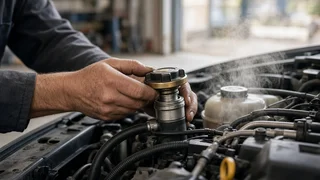
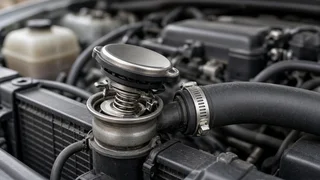
Pressure when opening radiator cap
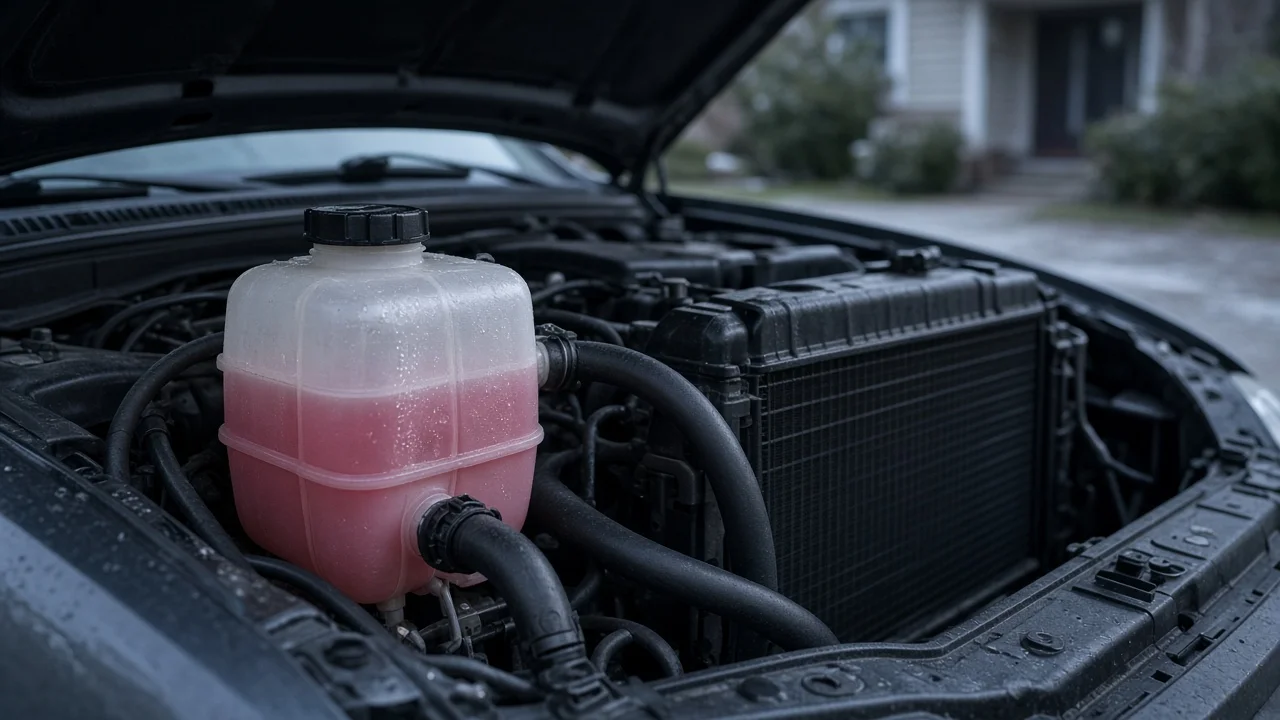
Residual pressure in a cold cooling system usually surprises a driver reaching for the radiator cap after the vehicle has sat overnight. A small hiss may simply be trapped expansion that did not fully equalize, but a firm release can also point to combustion gases entering the cooling circuit or an air pocket that changes how pressure behaves. Understanding the cap, radiator, thermostat, coolant concentration, and system sealing helps distinguish a harmless observation from an early warning.
Essential answer
Pressure when opening the radiator cap on a cold engine is not automatically a fault. The sealed cooling circuit can retain residual positive pressure after shutdown, especially when the engine bay cooled unevenly or the cap remained sealed during a short cooling interval. A soft release or slight hiss may be normal trapped pressure, while a hard release accompanied by coolant odor, persistent bubbling, or repeated pressure after full cooling deserves closer inspection.
The more important qualification is whether the pressure returns after the engine has reached ambient temperature and the cap has been opened once. If the radiator cap remains under pressure when cold after a full heat cycle, possible causes include a failing pressure cap that is not venting, air pockets expanding, or cylinder pressure leaking into the cooling system through a compromised head gasket. The system should be observed as a whole before replacing components.