Precision Parts windshield molding
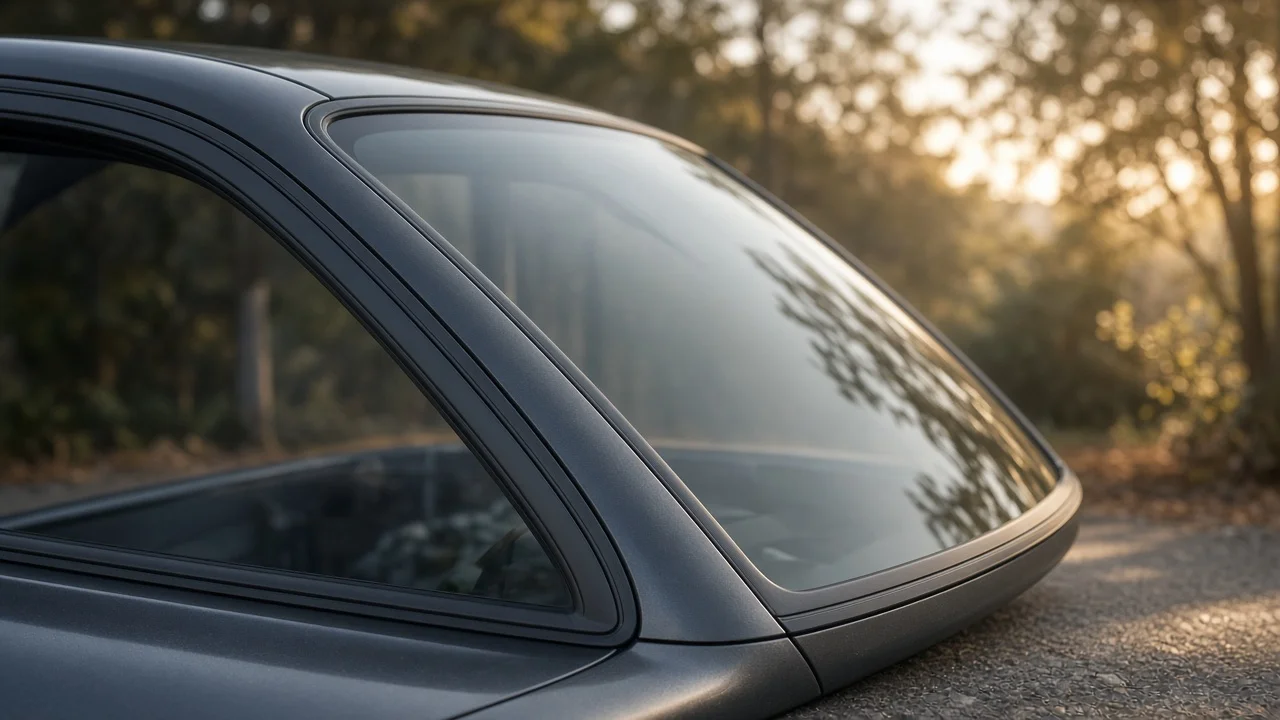
Finding the right windshield molding often starts with a search for “Precision Parts windshield molding,” but the term can point to more than one type of product. Searches sometimes target a replacement trim piece from a brand using the Precision name, while other drivers simply want a precision-fit molding for a specific vehicle. Understanding the distinction helps. Glass fitment depends on shape, material, and seal condition, and molding choice affects water ingress, wiper contact, and visibility. This overview explains the likely scope so you can compare options without confusing the brand with the general fitment idea.
Essential answer
The essential answer is that “Precision Parts windshield molding” is most commonly used as a navigational search for a specific aftermarket or replacement molding product. Precision Parts is a name associated with automotive components, but the exact windshield molding offered can vary by vehicle specification and seller catalog. The search itself should be read as a request for the product, not as confirmation that one universal part fits every car. Without a year, make, model, and body style, the molding you need remains a vehicle-specific trim or seal component rather than a single interchangeable item.
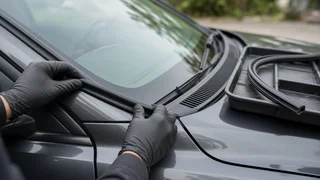
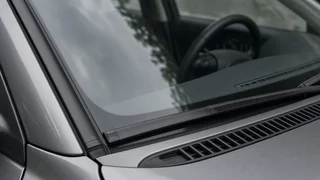
A precision windshield molding generally refers to a trim piece that bridges the gap between the glass edge and the surrounding body or cowl. It may serve as a cosmetic cover, a water channel, or a secondary seal that works with the primary urethane adhesive. The relevant qualities include material flexibility, UV resistance, and how accurately the contour follows the glass. When a product is marketed with “Precision” branding, the important practical step is to confirm that its shape and attachment method match the original molding for your vehicle, because a close-looking generic trim can create seal condition problems even if the glass itself is sound.
Water ingress is a useful diagnostic clue when evaluating molding condition. If moisture collects along the dash, headliner edge, or A-pillar after rain, the molding may be cracked, lifted, or no longer sitting flush against the glass and body. However, the molding is not always the water barrier. Modern windshields are bonded with urethane adhesive, and the outer trim often channels water away rather than sealing the cabin by itself. A leak can therefore point to a failed adhesive bead, a clogged drain path, or a deformed cowl cover instead of the visible molding, so replacement should be based on inspection rather than appearance alone.
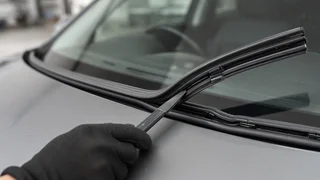
Wiper contact and visibility also influence molding selection. A warped or loose trim piece can obstruct the wiper sweep, especially if it rises above the glass plane and catches the blade. Drivers sometimes notice a clicking noise or a lifted wiper edge near the cowl when the molding is misaligned. Replacing it with a correctly profiled part restores a clean surface for drainage and helps keep the lower windshield clear. Since the measured search phrases blend a brand term with a fitment concept, the practical conclusion is to treat the product as vehicle-specific and verify the profile, clip pattern, and material before purchase.