Powerglide Transmission Valve Body Identification
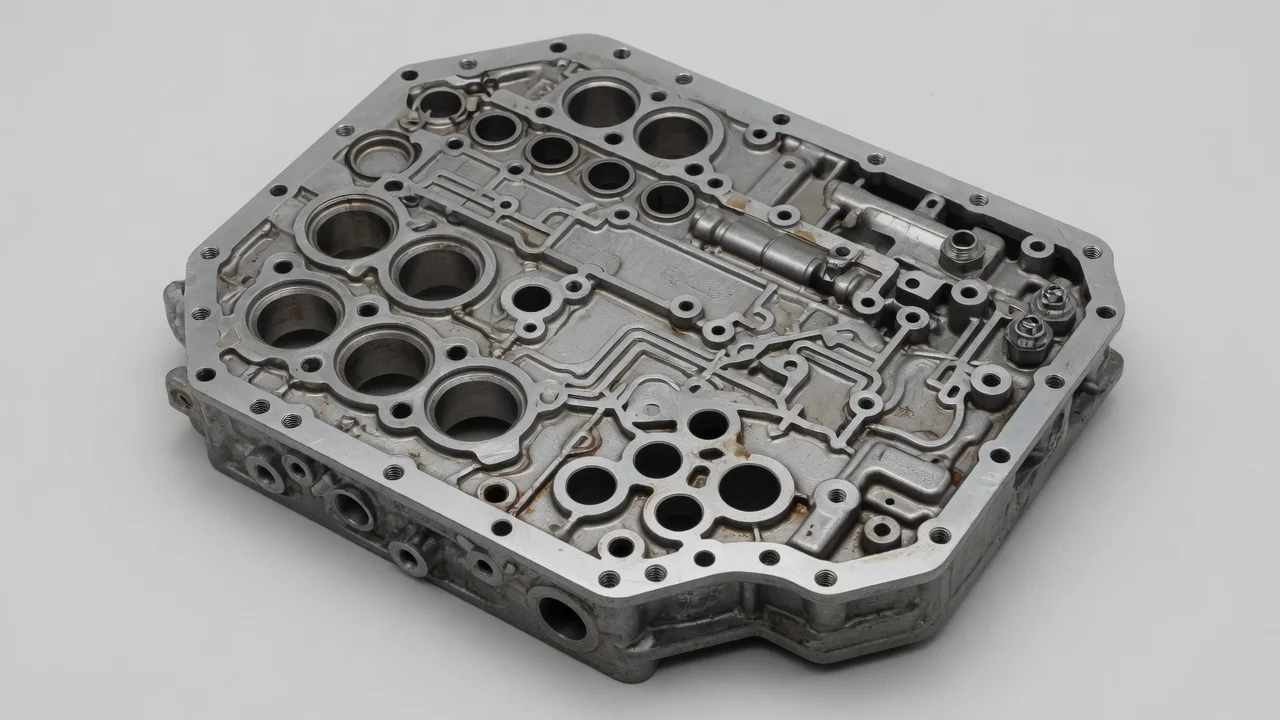
Identifying a Powerglide valve body starts with the transmission it came from. Chevrolet built this two-speed automatic first with a cast-iron case and later with an aluminum one, and aftermarket manual, reverse-pattern and transbrake versions have been added to the factory designs. This guide explains what a visual check can and cannot tell you, how the valve body controls shifting, and which details matter before you buy, swap or troubleshoot one.
The short answer
To identify a Powerglide valve body, first confirm the case type. Then check features on the valve body itself: whether it shifts automatically or only manually, which shift pattern it is built for, whether it has provision for a vacuum modulator and throttle linkage, and whether a transbrake solenoid is fitted. Cast-iron and aluminum Powerglide valve bodies are different designs and do not interchange. Factory aluminum units share a broadly similar layout, but separator plates, check balls, springs and internal modifications can differ. Two valve bodies that look the same from the outside can still behave differently.
Casting marks and stampings can help, but rebuilders and aftermarket suppliers often reuse cores and modify them internally. Treat any external identification as a starting point. Confirm the configuration through paperwork, the builder's description, or disassembly by someone familiar with the unit.
How the Powerglide valve body works
The valve body is the hydraulic control center of the transmission. On the aluminum Powerglide it bolts to the bottom of the case, under the oil pan. The pump supplies fluid pressure, and valves in the body route that pressure to the low band servo, the high clutch and the reverse clutch, depending on selector position and operating conditions. In first gear the band holds. The upshift releases the band and applies the high clutch, which gives a direct-drive second gear.
In a valve body that shifts automatically, a shift valve decides when the change happens. Speed-based pressure from the governor pushes the valve toward the upshift. A load signal from the vacuum modulator and the throttle linkage pushes back, which delays the shift under heavier throttle. The modulator also adjusts line pressure, which affects how firm the shift feels. A manual valve body removes or blocks the automatic shift function, so the gear changes only when the driver moves the lever. Because these signals interact, a late, early, soft or harsh shift can have several sources: the governor, the modulator or its vacuum supply, linkage adjustment, band adjustment, or internal wear. The valve body is only one of them.
Configurations that change the identification
Case generation is the first divider. Early Powerglides used a cast-iron case and later units used aluminum, and the two do not share valve bodies, pans or many internal parts. Some applications also used variants with different controls, such as manually shifted two-speed versions offered in certain smaller-engine cars. A valve body pulled from an unusual donor may therefore not behave like a typical automatic unit.
Aftermarket valve bodies add another layer. Common types include: • Full manual units, which require the driver to make every shift. • Forward-pattern bodies, which keep the factory lever order. • Reverse-pattern bodies, where the driver pulls the lever back to upshift. • Transbrake units, which use an electric solenoid to hold the car for launching. Some race bodies also delete the vacuum modulator function or change line pressure. A valve body whose pattern does not match the existing shifter can put the transmission in an unintended gear, so the two must match.
Intended use matters too. A valve body calibrated for a drag car with a high-stall converter may feel abrupt and impractical on the street. A stock automatic body may not suit a dedicated racing build.
What the owner can do
Start with records. Service history, receipts, a builder's tag or notes from a previous owner often answer the question faster than inspection. Next, confirm the transmission type from the case and pan, and check what is attached externally: a vacuum modulator and hose, a throttle or kickdown linkage, the shifter type, and any wiring that could indicate a transbrake. If the car is drivable, note its shift behavior during a careful test drive. Check whether it upshifts by itself, at what point it shifts, and how firm the change feels.
If the pan is off for service, photograph the valve body in place before removing anything. Include the manual valve, linkage connections, any solenoid, and the separator plate if it is visible. Check fluid level and condition using the correct procedure for the vehicle. Use the fluid specification recommended by the transmission builder or the service information, because race builds sometimes call for a specific fluid. A Powerglide has no factory electronic controls, so there are no transmission diagnostic codes to read. Electrical checks come into play only if a transbrake or an aftermarket controller has been added.
When fitment is the question, compare the replacement against four things: the case generation, the pattern of your shifter, the modulator and linkage provisions, and the converter and intended use of the vehicle. Before buying, ask the seller to state the exact valve body type in writing.
Limitations and when to get help
A visual check cannot reveal internal modifications, worn bores, sticking valves or changed springs. A symptom alone also does not prove the valve body is at fault. Slipping, a flare between gears or a missing upshift can come from band adjustment, a worn clutch pack, a governor problem, low line pressure or a leaking modulator. A transmission technician usually separates these causes with a pressure test. The result then guides the choice among repair options: adjustment, cleaning and reassembly, a rebuild, or replacing the valve body.
If the car is used on the street, at the track or for towing, have a shop or builder familiar with Powerglides confirm the configuration and whether it suits that use. The wrong valve body, or one assembled incorrectly, can cause harsh engagement, an unexpected gear or rapid internal wear. Verify the details before driving the car hard.