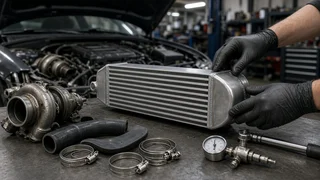
Porsche 991 Turbo Intercooler
Upgrading the 991 turbo intercooler is one of the most direct ways to control charge-air temperature and preserve power during hard use. The factory setup is effective for stock boost pressure, but heat soak, aging hose connections, and higher compressor outlet temperatures can expose its limits. Choosing the right replacement means balancing core size, end-tank design, and fitment with the car's existing plumbing and bumper airflow. This guide looks at what the part actually does, where problems show up, and what changes are worth your money before you buy.
The direct answer
For most owners asking about a 991 turbo intercooler, the practical answer is a larger bar-and-plate or high-density tube-and-fin core that fits the stock mounting points and works with the original intake plumbing. The goal is lower charge-air temperature without creating excessive pressure loss or blocking radiator airflow. A well-matched upgrade should reduce heat soak during repeated pulls while keeping boost response crisp. The main condition that changes the recommendation is how the car is used: a street-driven car near stock boost may only need a clean factory-style replacement, while track use or tuning benefits from a bigger core.
The best choice also depends on whether the vehicle has the standard Turbo or Turbo S configuration, because available space and ducting can differ. Before ordering, confirm the inlet and outlet positions, hose connection diameters, and mounting tabs match your chassis. A unit that flows better but sits too far forward can reduce airflow to the coolant radiator and raise engine temperatures. If the existing intercooler shows oil contamination or cracked end tanks, replacement should also include checking the turbocharger seals and cleaning the intake path, not just bolting in new hardware.