Pollen on Car Paint
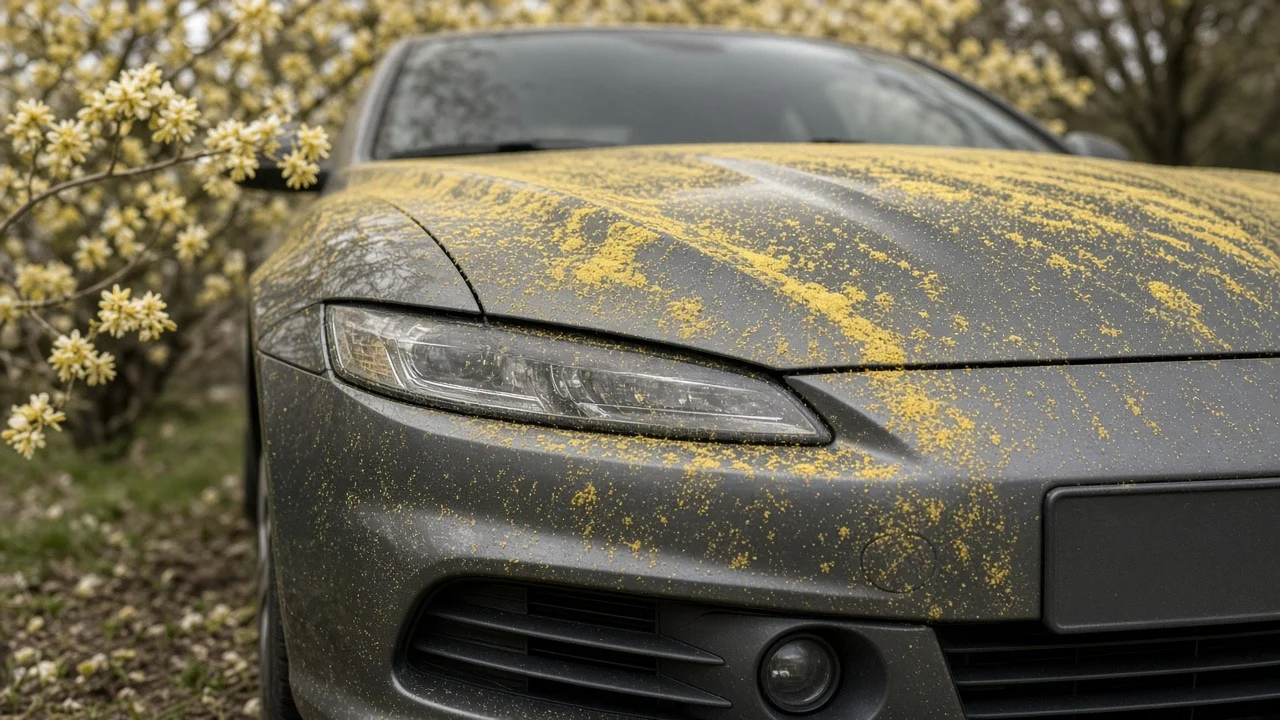
Pollen on car paint does far more than make a clean vehicle look dusty. Those microscopic grains contain moisture, proteins, and acids that can bond to clear coat, etch the finish, and attract additional contaminants once they break down. Understanding how pollen interacts with the surface helps you choose the right removal method without turning a seasonal nuisance into permanent paint damage. The goal is to lift the material safely, preserve the substrate material, and avoid aggressive rubbing that creates swirl marks or dull areas before the next layer of tree or grass pollen settles.
Essential answer
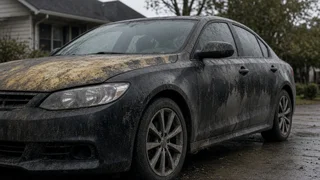
The essential issue is that pollen is not inert road dust. Each grain can carry sap residues, bee-collected enzymes, and plant acids that become more active when wet from morning dew, rain, or a rinse. On a warm hood or roof panel, this damp pollen mixture can soften the clear coat at a microscopic level and leave faint circular etching, especially on darker finishes where surface defects are more visible. Fresh pollen should therefore be treated as a bonded contaminant rather than loose dirt, and removal should minimize grinding it against the paint.
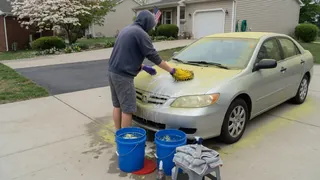
Because pollen absorbs water and swells, leaving it in place allows the mixture to cure over several hot days. The grain shell itself can become a mild abrasive when dragged across the panel during a dry wipe or a tunnel wash with stiff bristles. The correct approach is a gentle pre-rinse followed by a lubricated wash that floats the grains away. This protects the clear coat while also addressing coating compatibility and long-term corrosion protection, since etched areas expose the finish to more UV and moisture intrusion than an intact surface would allow.