Piston Cooling Oil Pressure

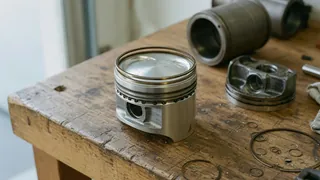
Piston cooling gallery oil pressure is the hydraulic force delivered through dedicated passages to remove heat from the underside of heavy-duty pistons. If the pressure is low, the oil jet may not fill the internal cooling gallery properly, allowing crown temperatures to climb and accelerating wear, ring sticking, or cracking. On engines such as some Volvo designs, this circuit is part of the lubrication system rather than a separate pump. Understanding the pressure behavior helps distinguish a normal warm-idle drop from a restriction, aerated oil, or excessive bearing clearance that starves the jets.
Essential answer
The essential answer is that piston cooling gallery oil pressure is not a single universal value. It is the local feed pressure required to move engine oil through jets or nozzles aimed at the piston underside, and where used, into a cast cooling gallery behind the ring belt. The gallery acts as a shaker passage: as the piston moves, oil enters, sloshes against the hot crown, and drains back to the sump. Pressure must be high enough to fill the gallery during the intake and early compression strokes, but it remains part of the broader lubricating-oil circuit.
In many diesel and turbocharged engines, the oil jets open only above a calibrated pressure threshold. Below that point, the pistons rely on splash and convection. On a Volvo application, the gallery feed interacts with main and rod bearing clearances, oil temperature, pump output, and relief-valve setting. A pressure reading therefore has to be interpreted in context: a lower warm-idle figure may be normal, while a sudden drop under load suggests bypassing, aeration, or worn bearings bleeding off the gallery supply.