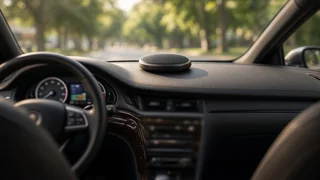
Pioneer Center Speaker for Car
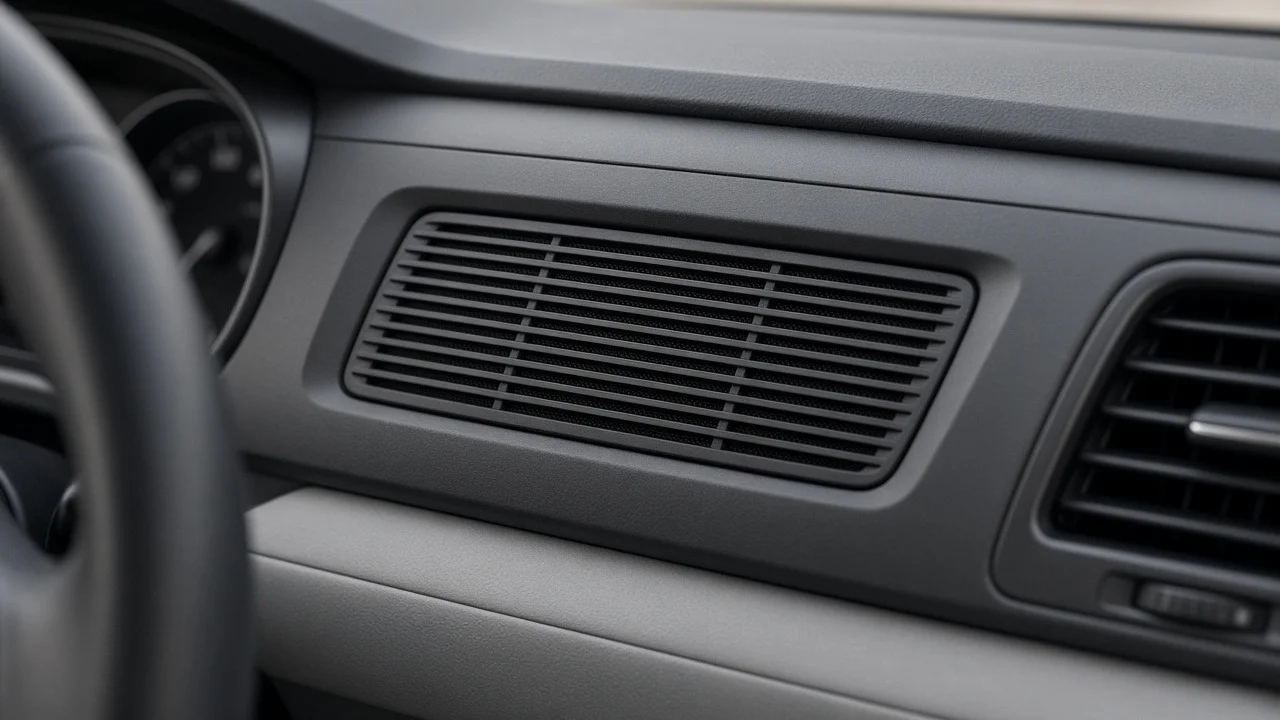
A vehicle’s dash speaker often handles the dialogue and vocal range that door speakers leave muddy, so choosing a Pioneer center speaker for car use means focusing on fit, impedance, and how the head unit routes a summed audio source. This front-stage position can sharpen voices, navigation prompts, and higher-frequency detail, but only when the speaker wiring matches the existing signal and the mounting depth works with the dashboard cavity. The goal is cleaner midrange presence rather than simply adding another driver. Keep the rest of the soundstage balanced, because an overpowering center channel can pull the stereo image toward the middle of the windshield.
The direct answer
A Pioneer center speaker for car applications is generally suitable when the factory location already houses a small midrange driver and the replacement unit’s size, impedance, and depth align with that cavity. If the vehicle has no center channel wiring or the head unit does not provide a dedicated center output, the speaker may still be driven from a mono-summed signal, but the result depends on proper integration rather than simply plugging it in.
Before buying, check the dash opening diameter and available depth, because a shallow Pioneer driver can fit where a deeper aftermarket cone will contact structure or the windshield ducting. Also confirm the nominal impedance matches what the amplifier or radio expects. A mismatch can reduce output or strain the source. If the car uses a three-inch or three-and-one-half-inch location, a same-size drop-in unit usually offers the least modification, while adapters may be needed for other shapes.