How to add a center channel speaker to a car

Adding a center channel speaker changes how a car audio system places voices and instrument detail across the dashboard. The goal is a more stable front soundstage where dialogue stays centered, especially when the existing left and right speakers create a vague image. This project is not just about mounting a new driver; it also requires a suitable audio source, correct speaker wiring, and an integration strategy that matches the head unit and vehicle electrical layout. The result can improve clarity, but the behind-dash work and signal decisions must be planned before cutting or drilling begins.
Direct answer
A center channel speaker works best when the audio source can deliver a dedicated center signal or a processed mono sum that preserves voice frequencies. Many factory head units do not have a discrete center output, so the practical path is usually a small amplifier channel, a digital signal processor, or a passive sum from the front left and right outputs. Connecting a center driver directly to one existing channel may pull the image to that side, which defeats the purpose of adding it.
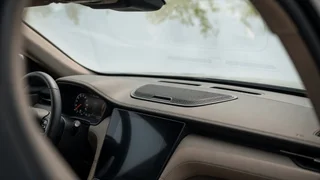
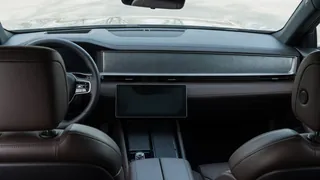
Wiring a center channel speaker car installation should begin by confirming where the driver will fit without blocking vents, airbags, or dashboard service points. A shallow full-range or midrange driver is often easier to place near the top center of the dash. After confirming the mounting depth, route the speaker wiring away from sharp edges and high-current harnesses. The speaker leads can then run to the chosen amplifier or processor location, keeping polarity consistent with the existing front speakers.
How to proceed
Before connecting power, check that the harness has the correct turn-on lead and that the speaker impedance is acceptable for the amplifier or head unit you are using. If you are creating a center signal from the front outputs, a processor or passive mixer should isolate the left and right channels rather than bridging them directly, because a simple twist of positive wires can damage amplifier circuits. The center speaker should be tested at low volume first so polarity and balance can be corrected without overdriving the new driver.
After the center channel is mounted and connected, set its level below the main speakers and slowly raise it until voices appear centered without being louder than the rest of the mix. Listen to a familiar spoken track while sitting normally in the driver seat, then check the passenger seat. If the image collapses to the middle, the center level is too high. Vehicle integration also means checking that the dashboard panel fits without buzzing and that the speaker does not interfere with controls or airbag deployment paths.