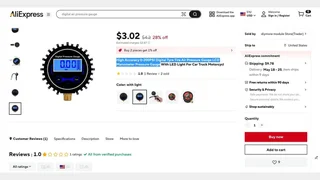
PCL Tire Pressure Gauge

Choosing a PCL tire pressure gauge means matching the instrument’s measurement range and dial scale to the pressures you actually need to read. Shoppers typically want a gauge that seats cleanly on the valve, gives repeatable readings, and displays units they can interpret without converting. Because tire inflation affects steering response, braking traction, and tread wear, a dependable gauge is a practical ownership tool. Understanding accuracy, calibration, and connection behavior helps buyers avoid models that feel sturdy but deliver vague or drifting values at the valve stem.
The direct answer
A PCL tire pressure gauge is worth considering when you need a straightforward analog or digital tool for checking inflation, provided its scale suits your vehicle specification. The immediate buying decision should focus on whether the gauge reads the expected passenger-car or light-truck range, holds the reading long enough to view, and makes a secure connection at the valve. If those basic requirements are met, the gauge can support routine pressure checks without relying on a service station air pump.
Accuracy is the key condition that changes the recommendation. A gauge with a broad measurement range may look versatile, but it can sacrifice fine resolution at typical car pressures. Calibration quality also matters because a new gauge that is not stable may read consistently high or low. Confirm whether the tool offers a bleed button or pressure-release feature, since controlled air release helps you adjust from an overinflated tire to the exact target rather than guessing at the valve connection.