P1718 to P1739 Codes: Manufacturer-Specific Transmission Codes Explained
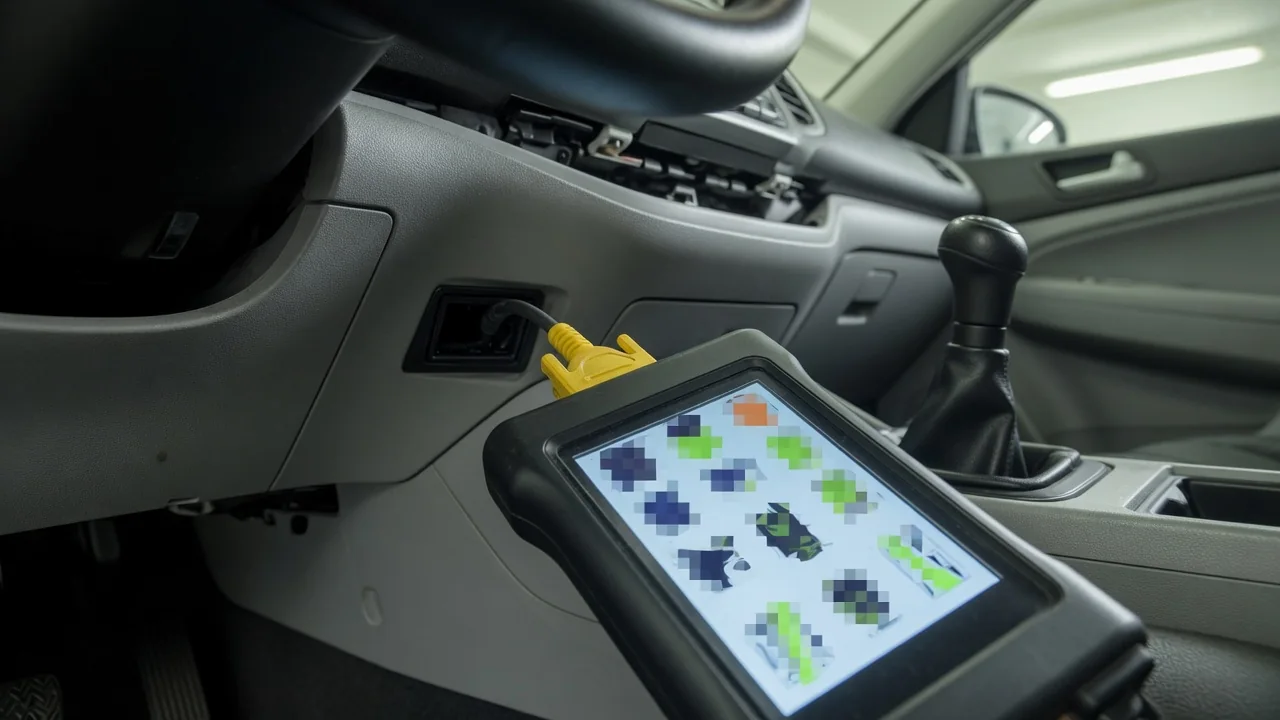
Seeing a P1718 through P1739 code can be confusing because these manufacturer-specific transmission codes vary by make. While they often relate to gear ratio errors, shift solenoids, or speed sensor circuits, the exact meaning depends on the vehicle. Confirming the definition for your specific transmission is essential before interpreting any symptom or planning a repair.
Why P1718–P1739 Codes Mean Different Things on Different Vehicles
P1xxx codes are manufacturer-specific, meaning the same number can indicate different faults on different vehicles. The transmission control module's programming determines what condition sets the code, so a P1728 on one brand may refer to a gear ratio error while on another it points to a solenoid circuit. No universal definition exists for this range.
To confirm the code's meaning, consult factory service information, a dealer, or a scan tool that supports enhanced manufacturer data. These resources provide the exact definition for your make, model, year, and transmission. Generally, codes in this range often relate to gear ratio monitoring, shift solenoid circuits, and speed or input signals, but each must be verified.
P1718, P1720, P1721, P1722 and P1723: Checking the Meaning by Make
For P1718, P1720, P1721, P1722, and P1723, start by confirming the code's meaning for your vehicle. On some makes, these codes may indicate speed sensor issues, gear ratio problems, or solenoid-related faults, but the specifics vary widely. A code number alone cannot tell you which component is involved without the manufacturer's definition.
Review the freeze frame data captured when the code set, including vehicle speed, selected gear, transmission temperature, and engine load. This information helps place the code in context and may reveal whether the fault occurred during a particular shift or driving condition. Remember, a code identifies a circuit or condition the module detected, not necessarily a failed part.
P1725, P1726, P1727 and P1728: What to Confirm Before Drawing Conclusions
For P1725, P1726, P1727, and P1728, the meaning still depends on the manufacturer and must be verified for your specific vehicle. In general, the transmission control module compares expected and actual gear ratios or signal behavior; when a mismatch exceeds a threshold, it sets a code. This monitoring process is common across many manufacturers.
If several related transmission codes are stored together, they may point to a shared cause such as a wiring issue, poor connector contact, low system voltage, or degraded transmission fluid. Before clearing any codes, record all stored and pending codes, because clearing them erases valuable diagnostic information that can help identify the underlying problem.
P1729, P1730, P1731 and P1732: Gear, Solenoid and Signal-Related Possibilities
For P1729, P1730, P1731, and P1732, confirm the make-specific definition before assuming the code relates to a particular gear, solenoid, or sensor. The distinction between an electrical circuit fault and a mechanical or hydraulic performance fault is critical, and only the verified definition tells you which type applies in your case.
Intermittent faults may appear only under certain temperatures, loads, or road conditions, so note exactly when the code returns. Pay attention to whether the issue occurs when cold or hot, during light or heavy throttle, or at specific speeds. Avoid replacing parts based on the code number alone; always confirm with vehicle-specific information and perform proper testing.
P1734, P1738 and P1739: Interpreting the Upper End of the Range
For P1734, P1738, and P1739, verify the meaning for your exact make, model, year, and transmission. On some vehicles, codes in this upper part of the range may relate to shift timing, solenoid control, or clutch engagement monitoring, but the exact interpretation varies by manufacturer and transmission design.
Software or calibration updates can sometimes address transmission codes, so a dealer or qualified shop can check whether any apply to your vehicle. However, do not assume an update will solve the problem. Also, a code staying off after being cleared does not confirm the underlying cause was fixed; the condition may return under the right circumstances.
Symptoms Drivers May Notice and Safe Observations to Make
Symptoms associated with transmission control codes can include harsh or delayed shifts, flare between gears, reduced-power or limp mode, and a lit check engine light. Not every vehicle exhibits the same symptoms, and some may drive normally while the code is stored. Pay attention to how the transmission behaves in different situations.
Perform safe, non-invasive checks: note when the symptom happens, whether the vehicle is stuck in one gear, and if other warning lights are on. Check the transmission fluid level and condition only if your owner's manual provides a procedure, as many modern vehicles have no dipstick and require special tools. If the vehicle won't shift properly, slips, overheats, or behaves unpredictably, stop driving and arrange a tow.
When Professional Transmission Diagnosis Is Needed
Confirming these codes often requires manufacturer-level scan data, live sensor readings, circuit testing, and sometimes pressure testing, which most owners cannot do at home. A professional technician with the right equipment can access enhanced data and perform the necessary tests to pinpoint the cause without guesswork.
When visiting a shop, bring all stored codes, freeze frame data, a detailed description of symptoms, when they occur, and any recent repairs or fluid service. Internal transmission work, electrical testing of control modules, and high-temperature fluid handling are best left to qualified professionals. Repair needs can range from a simple wiring fix to major transmission work, and only proper testing can tell which applies.